
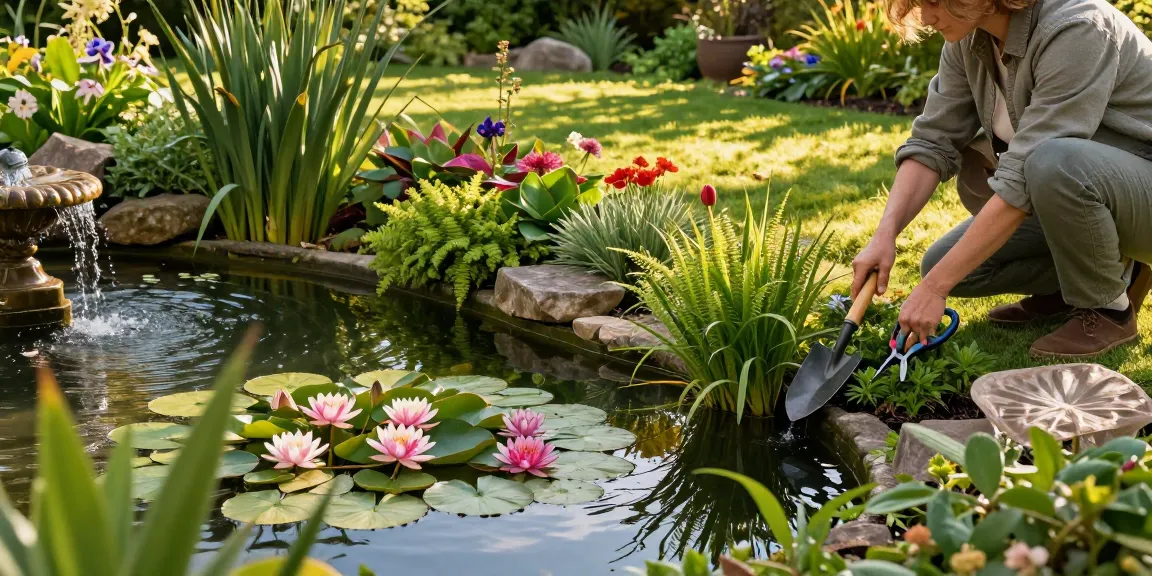
Understanding British Pond Plants
Pond plants play an essential role in creating vibrant ecosystems within garden water features. These plants not only enhance the aesthetic appeal of ponds but also contribute significantly to the health of aquatic environments. In the UK, the diversity of native flora offers an abundance of options for garden enthusiasts. Understanding the variety and benefits of British Pond Plants is crucial for anyone looking to cultivate a thriving aquatic garden.
What are British Pond Plants?
British pond plants refer to the diverse range of aquatic and semi-aquatic flora native to the United Kingdom. These species are adapted to the unique climatic and environmental conditions found in Britain’s ponds, lakes, and wetlands. Broadly, they can be categorized into floating plants, submerged plants, emergent plants, and marginal plants, each occupying different zones within the pond ecosystem.
- Floating Plants: These plants float on the water’s surface, absorbing sunlight and carbon dioxide to grow. Examples include the Water Lily (Nymphaea) and Duckweed (Lemna).
- Submerged Plants: These plants grow entirely underwater, providing essential oxygen to the water body. Common examples are Hornwort (Ceratophyllum demersum) and Elodea.
- Emergent Plants: These vegetation types have their roots submerged while their stems and leaves emerge above the surface, such as the Yellow Flag Iris (Iris pseudacorus).
- Marginal Plants: Found at the edges of ponds, these plants thrive in wetter soils, including the Marsh Marigold (Caltha palustris).
Benefits of Incorporating Pond Plants
Utilizing British pond plants in your garden brings numerous benefits that extend beyond mere aesthetics. Here are some key advantages:
- Water Quality Improvement: Aquatic plants are natural water purifiers, absorbing excess nutrients and preventing algal blooms.
- Wildlife Habitat: They provide shelter and breeding grounds for various wildlife, including fish, amphibians, and insects.
- Temperature Regulation: Plants help maintain cooler water temperatures, which is crucial for fish health and aquatic ecosystem balance.
- Soil Stabilization: Roots of pond plants prevent soil erosion, especially along the banks of the pond.
Identifying Key Plant Varieties
Some of the most iconic British pond plants include:
- Water Lily (Nymphaea): Known for their large, striking flowers, water lilies are a centerpiece in many ponds.
- Common Reeds (Phragmites australis): These tall grasses are essential for marshland ecosystems and provide cover for wildlife.
- Marsh Marigold (Caltha palustris): A herald of spring, this plant features bright yellow flowers and thrives in wetter areas.
- Yellow Flag Iris (Iris pseudacorus): With its long, sword-like leaves and vibrant yellow blooms, this iris is commonly found near water bodies.
Choosing the Right Plants for Your Pond
Selecting the appropriate plants for your pond involves understanding the specific conditions and desired aesthetic of your aquatic garden. Factors such as sunlight availability, water depth, and intended biodiversity should guide your choices.
Assessing Pond Conditions for Plant Selection
Before planting, it is essential to assess the physical and chemical parameters of your pond:
- Light Levels: Determine how much sunlight your pond receives throughout the day. Some plants thrive in full sun, while others prefer partial shade.
- Water Depth: Different plants require varying water depths to thrive. Make sure your selection aligns with the depth levels in different areas of your pond.
- Water Quality: Test the water for pH levels and nutrient content, as some plants may be sensitive to certain conditions.
- Climate Conditions: Understand the climatic conditions of your region to choose plants that are naturally adapted.
Top British Pond Plants for Sun and Shade
Here are some recommended plants based on sunlight conditions:
- For Full Sun:
- Water Lily (Nymphaea): Thrives in bright sunlight, producing flowers throughout the summer.
- Yellow Flag Iris (Iris pseudacorus): Enjoys sunny spots and blooms beautifully in late spring.
- For Partial Shade:
- Marsh Marigold (Caltha palustris): Prefers dappled sunlight and can add a splash of color in early spring.
- Water Forget-me-not (Myosotis scorpioides): A lovely addition that thrives in moist, shaded areas.
Choosing Marginal vs. Deep-Water Plants
Understanding the difference between marginal plants and deep-water plants is crucial for creating a balanced pond ecosystem. Marginal plants, such as the Common Reed, grow at the water’s edge and must have their roots in shallow water. In contrast, deep-water plants, like the Water Lily, are planted in deeper areas where their leaves can float freely on the surface.
When designing your pond, consider a mix of both types to provide diverse habitats and ensure the overall stability and health of your aquatic garden.
Planting and Maintenance Techniques
Successfully cultivating British pond plants requires proper planting techniques and ongoing maintenance to ensure they flourish.
Step-by-step Planting Guide for Pond Plants
- Choose the Right Container: Use aquatic planting baskets or pots with drainage holes.
- Add Potting Soil: Fill the container with a heavy loam or aquatic soil to retain moisture.
- Plant the Species: Position the plant in the center and fill around the roots with soil. Be careful not to cover the crown of the plant.
- Introduce to Pond: Place the container in the desired location, ensuring the appropriate water depth for the species.
- Water Properly: Ensure the soil is saturated and maintain water levels for the plant’s growth.
Maintenance Practices for Healthy Growth
Regular maintenance is vital for the health of your pond plants:
- Fertilizing: Provide aquatic fertilizers sparingly to promote growth without harming water quality.
- Pruning: Periodically trim back overgrown or dead foliage to encourage fresh growth.
- Monitor Water Levels: Maintain consistent water levels, particularly during dry spells or heavy rains.
- Remove Debris: Clean the pond of fallen leaves and debris to prevent nutrient overload and algae growth.
Common Pests and How to Manage Them
While British pond plants are relatively hardy, they can still be affected by pests. Keep an eye out for:
- Aphids: These tiny insects can siphon plant juices. Control them manually or with insecticidal soap.
- Snails: While some snails can be beneficial, others can damage tender plants. Handpick or introduce natural predators like ducks.
- Fungal Infections: Maintain good water quality to reduce fungal risks, and remove affected plants to prevent spreading.
Enhancing Your Garden with Pond Plants
Incorporating British pond plants into your garden can create a harmonious landscape that integrates aquatic life into your overall garden design.
Designing a Cohesive Garden Aesthetic
A well-designed pond can serve as a focal point in your garden. Use various plant heights and colors to create visual interest. Position taller plants like Common Reeds at the back and shorter plants like Water Forget-me-nots at the front to achieve depth and layers.
Complementary Plants to Enhance Your Pond
Consider planting moisture-loving companion species nearby to create a thriving ecosystem. Some suitable choices include:
- Ferns: Native ferns, such as the Male Fern (Dryopteris filix-mas), provide texture and complement the aquatic plants.
- Hostas: These shade-loving perennials thrive in damp soil and add a burst of color.
- Astilbe: The feathery blooms of astilbe can thrive in moisture-rich soils near the pond’s edge.
Seasonal Changes and Their Impact on Pond Plants
Understanding how seasonal changes affect your pond plants will help you prepare and protect them through the year:
- Spring: Time for planting and dividing established plants to promote robust growth.
- Summer: Ensure regular maintenance; plants will be in their peak growing phase.
- Autumn: Prepare for winter by cutting back dead foliage and cleaning the pond.
- Winter: Some aquatic plants may die back; cover fragile species or bring pots indoors for protection.
Future Trends in Pond Gardening
The world of pond gardening continues to evolve with new trends and sustainable practices emerging. As we look toward 2026, several exciting directions are shaping the future.
Emerging Trends for Aquatic Plant Cultivation in 2026
As eco-awareness grows, so does the interest in sustainable gardening practices. Trends include:
- Native Plant Focus: Increasing use of native plants to enhance biodiversity and provide habitats for local wildlife.
- Low Maintenance Design: Gardeners are seeking designs that require less ongoing effort, focusing on self-sustaining ecosystems.
- Vertical Gardens: Integrating vertical gardening techniques with pond plants to maximize small garden spaces.
Innovative Gardening Techniques for Sustainability
Techniques such as rainwater harvesting for pond filling and the use of organic fertilizers are gaining popularity. Additionally, biophilic design principles are being embraced to connect gardens with natural waterways, promoting healthier ecosystems.
Expert Insights on the Future of British Pond Plants
Experts believe that the interest in biodiversity and local climates will continue to shape the types of British pond plants being cultivated. With a focus on resilience, the adoption of technology such as soil sensors and apps to monitor pond health will likely play a significant role in future gardening strategies.
What types of British pond plants are easiest to care for?
Some of the easiest British pond plants to care for include Caltha palustris (Marsh Marigold) and Nymphaea (Water Lily), both known for their hardiness and minimal maintenance needs.
Can I grow British pond plants in containers?
Yes, many British pond plants can be successfully grown in containers, which allows for greater versatility and easier management of water levels and nutrients.
How do I prevent algae growth in my pond?
To prevent algae growth, maintain a balanced ecosystem by ensuring proper plant cover, using aquatic plants that compete for nutrients, and regularly cleaning your pond.
When is the best time to plant British pond plants?
The ideal time to plant British pond plants is in spring, as the warmer temperatures encourage growth and establish roots before the summer heat.
Are British pond plants suitable for small ponds?
Absolutely! Many British pond plants thrive in small ponds, and careful selection can ensure a beautiful, functional garden feature without overcrowding.