
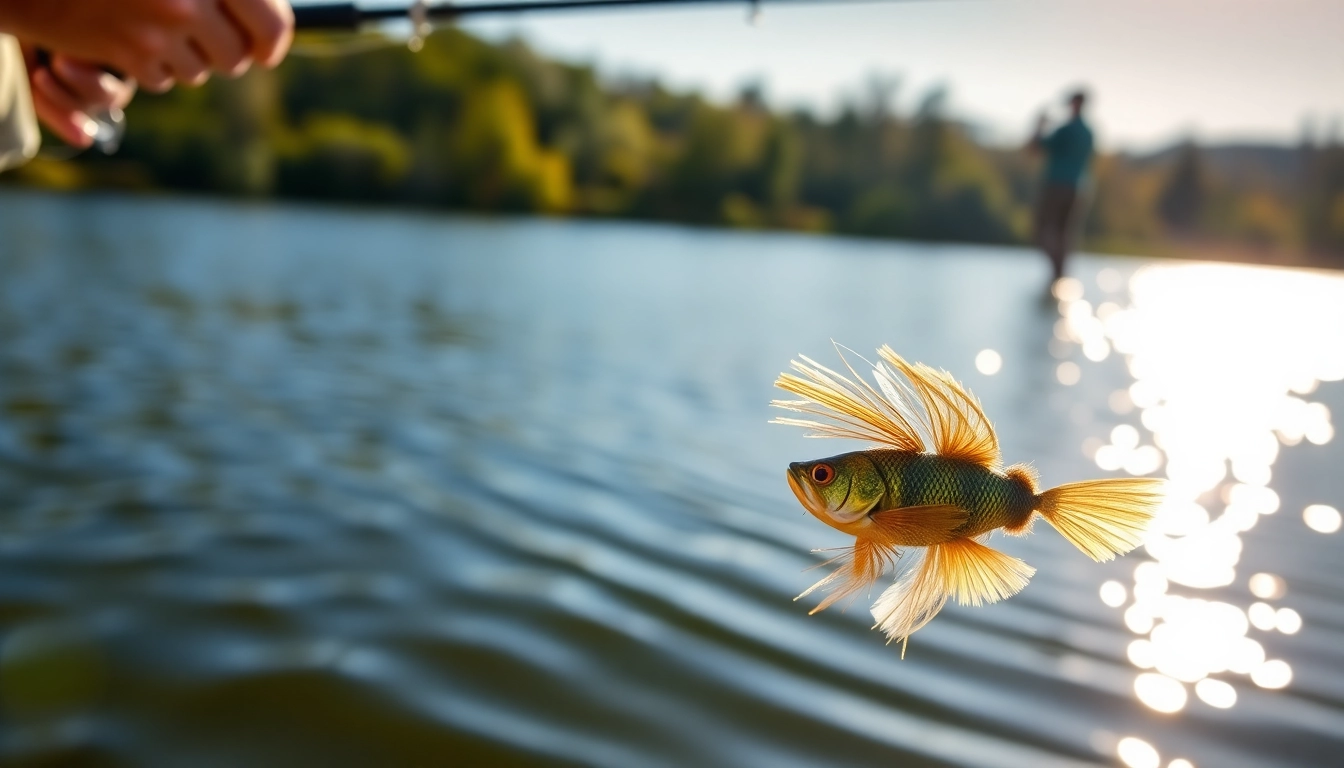
Understanding Fly Fishing for Bass
Welcome to the world of fly fishing for bass, an exciting and strategic approach to angling that combines skill with the thrill of catching one of North America’s most popular freshwater species. If you’re new to fly fishing or looking to upgrade your skills, this guide will provide you with essential insights, tips, and techniques to boost your knowledge and success on the water. In this article, we will explore everything from the uniqueness of bass to essential gear, effective techniques, seasonal strategies, and ideal fishing locations. Let’s dive into the essentials of Fly fishing for bass.
What Makes Bass Unique?
Bass are unique fish that belong to the Micropterus genus, commonly found in freshwater lakes, rivers, and ponds across North America. They are divided into two main species: largemouth bass (Micropterus salmoides) and smallmouth bass (Micropterus dolomieu). Each species exhibits distinct behavior, habitat preferences, and feeding patterns, making them both challenging and exciting targets for fly fishermen.
Largemouth bass are known for their personal and territorial nature, often found in warmer waters near structures like submerged rocks, fallen trees, and aquatic vegetation. In contrast, smallmouth bass tend to inhabit cooler, rocky environments and are often found in swift-moving waters. Understanding these differences is crucial for tailoring your approach when targeting each species.
Essential Gear for Fly Fishing for Bass
Having the right gear is essential for successful fly fishing for bass. Here’s a breakdown of the key components you will need:
- Fly Rod: A 6 to 8-weight fly rod is ideal for bass fishing. The weight you choose depends on the size of the flies you are using and the type of bass you are targeting.
- Fly Reel: A quality reel with a smooth drag system is essential. Opt for a large arbor reel which facilitates quick line retrieval.
- Fly Line: Use a weight-forward floating line to help deliver large flies effectively. Intermediate sinking lines can also be justified when fishing in deeper waters.
- Leaders and Tippets: Leaders should typically be 9 to 12 feet long with a tippet line of about 10-15 lb test strength, enough to handle the powerful runs of bass.
Fly Types Best Suited for Bass
The choice of fly can significantly influence your success rate. Below are some of the best fly types for bass fishing:
- Poppers: These are surface flies that create disturbance, attracting bass from a distance.
- Streamers: Effective for mimicking baitfish, streamers work well for both largemouth and smallmouth bass.
- Woolly Buggers: Versatile patterns that can be fished effectively both subsurface and on the surface.
- Crayfish Patterns: Crayfish are a primary food source for bass, making these patterns incredibly effective during warmer months.
Techniques for Successful Bass Fishing
Water Conditions Impacting Bass
Understanding water conditions is vital. Bass tend to prefer warmer waters, typically between 70-80°F. However, environmental factors like wind, current, and structure also play a crucial role. Look for areas with cover and structure, as these are places bass will hold and ambush prey.
Best Casting Techniques for Bass
Effective casting is essential when fly fishing for bass. Here are some techniques:
- Overhead Cast: Ideal for open areas where you can make long, accurate casts.
- Roll Cast: Useful when backcasting is restricted, as it helps to keep the line tight.
- Sidearm Cast: Best for casting under low-hanging branches while keeping the fly close to the water’s surface.
Effective Retrieval Methods
Your retrieval method can greatly affect your success
. Experiment with different techniques, such as:
- Strip Retrieve: Pulling the line intermittently to simulate the movement of prey.
- Pause and Go: Allowing the fly to sit for brief moments during retrieves can attract attention.
- Fast Retrieve: This method can entice more aggressive bass, especially during feeding frenzies.
Seasonal Strategies for Fly Fishing for Bass
Spring Fishing Tactics
Spring is an excellent time to target bass as they move into shallow waters to spawn. Look for them around beds where they aggressively defend their territory. Focus on using topwater poppers early in the day, transitioning to streamers as the sun rises.
Summer Fly Fishing Tips
In summer, when waters heat up, bass behavior changes. They seek cooler, deeper waters during the day and become more active during early mornings and late evenings. During these times, use a mix of poppers and bigger streamers around structures.
Fall and Winter Considerations
As water temperatures drop, bass start preparing for winter. During the fall, focus on searching for them in schools. Utilize quicker retrieves and try to match the hatch with smaller baitfish patterns. In winter, bass fishing becomes more challenging, but you can still catch them in deeper holes with sink tip lines and slower retrieves.
Locations for Fly Fishing for Bass
Freshwater Locations to Explore
Exploring various freshwater locations can greatly enhance your fishing experience. Lakes, ponds, rivers, and reservoirs all hold populations of bass. Areas with abundant vegetation, structure, and varying depths are prime fishing spots.
Urban vs. Rural Fly Fishing
Urban areas often have numerous ponds and lakes that may be overlooked by anglers. These spots can sometimes yield larger fish due to limited angling pressure. Conversely, rural settings provide vast opportunities but may require more travel. Choosing the right setting depends on accessibility and your fly fishing goals.
Finding Hidden Gems Near You
Hidden gems can be found by researching local fishing reports, interacting with local angling communities, or scouting lesser-known areas. Apps and forums can also provide valuable information from experienced anglers about uncharted waters.
Common Challenges and Solutions
Addressing Gear Issues
Issues like tangling and knot failures are common challenges faced by anglers. Using quality knots such as the Improved Clinch Knot and ensuring your gear is in good condition can prevent these issues.
Overcoming Casting Difficulties
New anglers may struggle with casting. Practice is vital. Consider taking casting lessons or watching tutorial videos. Focusing on form and accuracy instead of distance will lead to better results.
Tips for Catch-and-Release Success
Practicing catch-and-release is crucial for sustainability. Use barbless hooks, minimize handling time, and ensure the fish is properly revived before release. This contributes to maintaining bass populations for future generations.
Frequently Asked Questions
What are the best flies for bass fishing?
The best flies for bass fishing include poppers, streamers, and woolly buggers, which attract bass effectively.
Can beginners succeed in fly fishing for bass?
Yes, beginners can succeed with practice. Starting with simple gear and techniques ensures a good learning curve.
When is the best time to fly fish for bass?
Early morning and late evening are ideal for fly fishing for bass, as fish are more active during these times.
What rod weight is ideal for bass fishing?
A 6 to 8-weight fly rod is ideal for bass fishing, offering the strength needed to cast larger flies and fight bigger fish.
How do water temperatures affect bass fishing?
Bass become more active in warmer water, typically between 70-80°F; this is when they are more likely to bite.