Understanding Different Types of Refrigerators
Choosing the right refrigerator involves understanding the various types available and how they fit your needs. Each model offers unique features that cater to different lifestyles and kitchen layouts. Here’s a thorough look at the most popular types of refrigerators on the market today.
Top-Freezer Refrigerator Features
Top-freezer refrigerators are a classic design, characterized by a fresh food compartment at eye level with a freezer section located above it. They are generally compact and come in a variety of widths, making them ideal for smaller spaces.
- Space Efficiency: Top-freezers often have a smaller footprint, making them perfect for apartments or small homes.
- Cost-Effective: Generally, these models are one of the more affordable options, making them perfect for budget-conscious shoppers.
- Accessibility: The fresh food compartment is at a comfortable height, minimizing bending or reaching for frequently used items.
Bottom-Freezer Refrigerator Advantages
Bottom-freezer refrigerators place the fresh food section at eye level, with the freezer compartment below. They have gained popularity in recent years due to their user-friendly design.
- Ergonomic Design: Users often find it easier to access their daily items without bending over.
- Greater Storage Flexibility: Many models feature pull-out drawers that enhance organization.
- Energy Efficient: The newer models often incorporate advanced energy-saving technologies, contributing to lower utility bills.
French Door Refrigerator Appeal
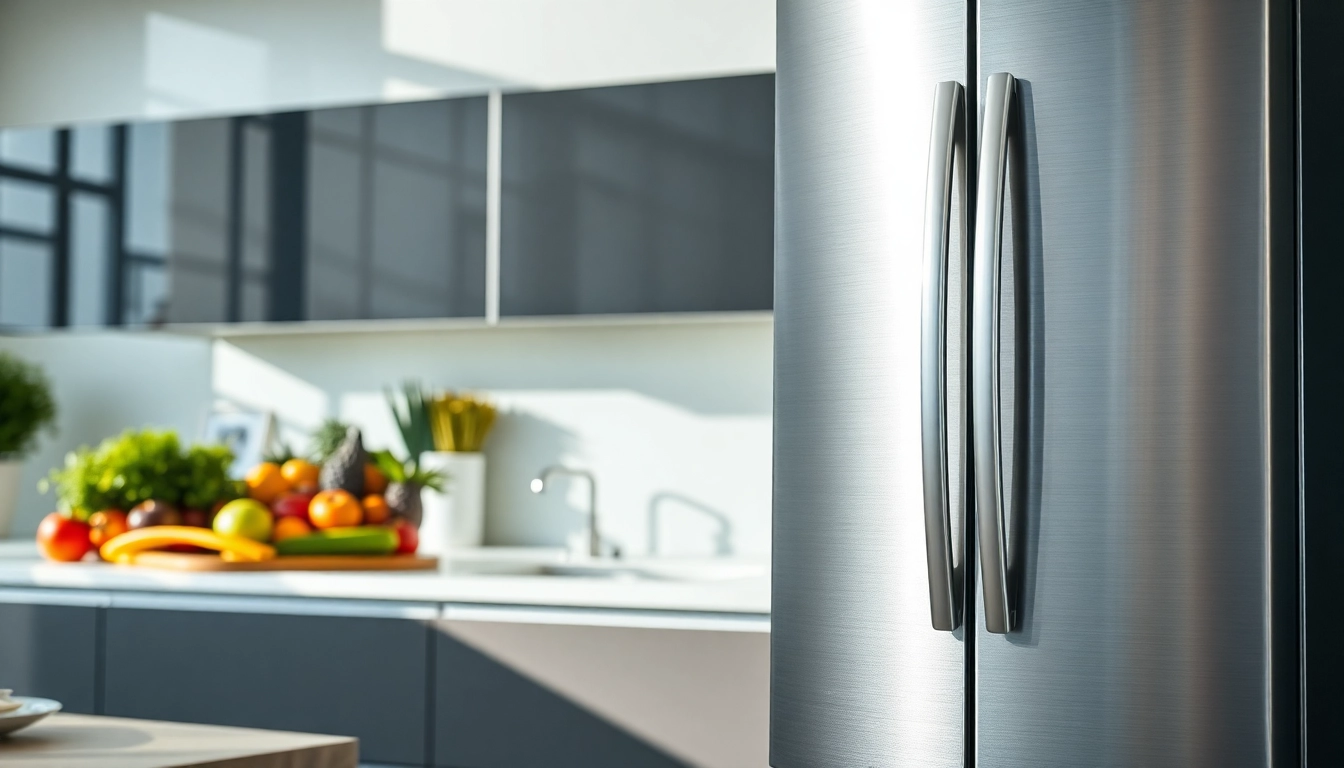
French door refrigerators feature two side-by-side doors for the fresh food compartment and a bottom freezer. This design has become increasingly popular because of its spacious interior and stylish look.
- Large Capacity: With two doors, these models provide spacious interior storage for larger items.
- Enhanced Accessibility: The design makes it easy to access different compartments without crowding.
- Versatile Features: Many French door models come with advanced features like temperature-controlled drawers and adjustable shelving.
Key Features to Look for in a Refrigerator
When shopping for a new refrigerator, certain features can significantly enhance usability and energy efficiency. Here’s what to consider:
Energy Efficiency Ratings
Refrigerators consume a significant amount of energy, making energy efficiency an essential feature. Look for models with the ENERGY STAR label, which guarantees they meet strict energy efficiency guidelines.
Lower energy consumption results in reduced electricity bills and less impact on the environment, making it a win-win for consumers.
Smart Features and Technology
Smart refrigerators have gained traction in recent years, integrating technology that enhances user experience.
- Wi-Fi Connectivity: This allows users to control temperature settings and receive notifications through their smartphones.
- Touchscreen Controls: Many modern fridges come with touch displays that can show recipes, calendar events, and grocery lists.
- Smart Sensors: They help in monitoring the freshness of food and alert users when items are about to expire.
Storage Space and Organization
The organization features of a refrigerator can dramatically enhance convenience.
- Adjustable Shelving: Provides flexibility to reconfigure your fridge for larger items like pizzas or cake boxes.
- Gallon Door Bins: Ideal for storing large containers of milk or juice, making them easy to access.
- Humidity-Controlled Crispers: These drawers are perfect for keeping fruits and vegetables fresh longer.
Maintenance Tips for Your Refrigerator
To maximize the lifespan and efficiency of your refrigerator, proper maintenance is essential. Here are crucial tips for keeping your fridge in top shape:
Routine Cleaning Practices
A clean refrigerator is a healthy refrigerator. Regularly clean both the interior and exterior of your fridge. Use a mixture of warm water and baking soda to wipe down surfaces, and ensure to clean any spills immediately to prevent odors and staining.
Temperature Settings for Optimal Performance
For optimal food preservation, set your refrigerator temperature to 37°F (3°C) and the freezer to 0°F (-18°C). These temperatures help prevent the growth of bacteria while ensuring food stays fresh longer.
Common Repairs and Troubleshooting
Being aware of common issues can help you troubleshoot problems before they escalate.
- Unusual Noises: If your refrigerator is making loud noises, it might be an indication of a malfunctioning compressor.
- Temperature Fluctuations: This could be due to a blocked air vent, requiring proper organization inside the refrigerator.
- Leaks: Leaks often indicate blocked defrost drains or damaged door seals.
Budgeting for a New Refrigerator
Buying a refrigerator is a significant investment, and understanding the cost factors involved can help you manage your budget effectively.
Price Ranges for Different Models
Prices may vary considerably based on the type of refrigerator, brand, and features:
- Top-Freezer: $500 - $1,200
- Bottom-Freezer: $750 - $2,000
- French Door: $1,200 - $3,500
- Built-In: $2,500 - $12,000
Financing Options and Promotions
Many retailers offer flexible financing options which can ease the burden of payment. Look for promotional deals, especially during holiday sales, and consider using manufacturer rebates for additional savings.
Long-term Savings with Energy-Efficient Models
Investing in an energy-efficient refrigerator not only benefits the environment but also minimizes your energy costs over time. Although the upfront cost might be higher, the return on investment through monthly savings can be significant.
Frequently Asked Questions About Refrigerators
What size refrigerator do I need for my family?
The size of your refrigerator primarily depends on family size and space. A general rule is 4-6 cubic feet per person, allowing for enough storage for the groceries and leftovers.
How do I clean my refrigerator's condenser coils?
Unplug the refrigerator, remove the cover if applicable, and use a coil brush or a vacuum cleaner to remove dust and debris. Cleaning the coils every 6 months ensures efficient operation.
What are the signs of a failing refrigerator?
Signs include unusual noises, inconsistent temperature, excessive frost buildup, or leaks. Address these issues promptly to avoid total failure.
Can a refrigerator be repaired instead of replaced?
Often yes, many minor issues such as faulty door seals or defrost problems can be repaired. It’s worth consulting a professional to evaluate whether repair or replacement is more cost-effective.
How do I store food safely in my refrigerator?
Store raw meat on the lower shelves to prevent dripping, keep food covered to prevent contamination, and regularly check expiration dates to maintain optimal food safety.