
Understanding the Rainpoint Smart Sprinkler Controller
The rainpoint smart sprinkler controller is revolutionizing the way we think about garden maintenance and water conservation. With the rising importance of sustainable gardening practices, this innovative device stands out as a smart solution that not only simplifies irrigation but also promotes healthier plant growth. By utilizing advanced technology, gardeners can manage their systems efficiently, ensuring that every drop counts.
What Is the Rainpoint Smart Sprinkler Controller?
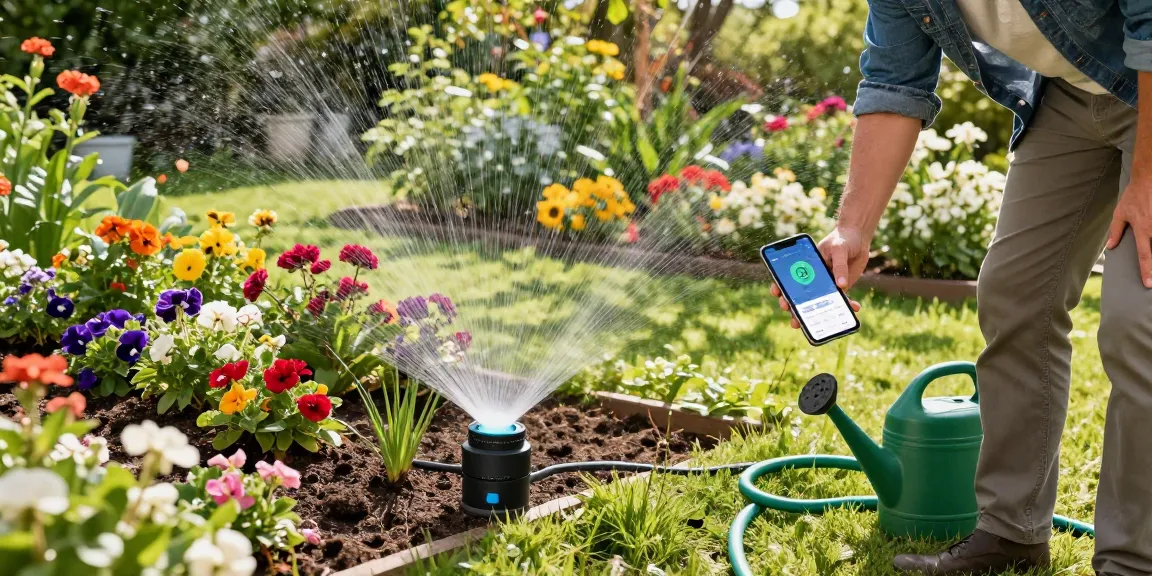
The Rainpoint Smart Sprinkler Controller is an automated irrigation system designed for both residential and commercial landscapes. It integrates seamlessly with your Wi-Fi network, allowing you to control your watering schedules remotely via a smartphone app. This device is ideal for anyone looking to optimize their irrigation practices without sacrificing plant health.
Key Features and Benefits of Smart Irrigation
- Remote Control: Users can manage their watering schedules from anywhere, making it convenient for busy gardeners.
- Soil Moisture Sensors: The controller is equipped with sensors that monitor soil moisture levels, ensuring that plants receive the exact amount of water they need.
- Custom Scheduling: Gardeners can create personalized watering plans based on plant types and seasonal changes, enhancing efficiency.
- Water Usage Data: The device provides insights into water consumption, helping to identify waste and promote conservation efforts.
How the Controller Saves Water and Enhances Plant Growth
One of the standout features of the Rainpoint Smart Sprinkler Controller is its ability to conserve water while promoting healthy plant growth. By utilizing real-time soil moisture readings, the system ensures that watering occurs only when necessary. This not only leads to reduced water usage but also encourages deeper root growth in plants, resulting in stronger, more resilient flora.
Setting Up Your Rainpoint Smart Sprinkler Controller
Unboxing and Components Overview
Upon receiving your Rainpoint controller, you’ll find the main unit, soil moisture sensors, installation manuals, and necessary connectors. Familiarizing yourself with these components is crucial before installation to ensure a smooth setup process.
Step-by-Step Installation Guide
- Choose an appropriate location for the controller near a water source and Wi-Fi router.
- Connect the main unit to your water supply using the provided connectors.
- Install the soil moisture sensors in the designated areas of your garden.
- Download the Rainpoint app on your smartphone and create an account.
- Follow the in-app instructions to connect the controller to your Wi-Fi network.
Connecting the App for Remote Management
Once the hardware is set up, connecting to the app is straightforward. Ensure your smartphone is connected to the same Wi-Fi network as your controller, and follow the app’s prompts to link the devices. This process allows you to manage your irrigation system from the comfort of your home or while on the go.
Optimizing Watering Schedules with Smart Technology
Creating Custom Watering Plans for Different Plants
The Rainpoint Smart Sprinkler Controller makes it easy to develop unique watering plans tailored to various plant types. For example, succulents require less water compared to other garden plants. By adjusting the watering frequency and duration for each category, you can ensure optimal growth and prevent overwatering.
Utilizing Soil Moisture Sensors for Precision
Integrating soil moisture sensors enhances the accuracy of your watering schedule. These sensors provide real-time feedback about the moisture levels in the soil, allowing you to adjust watering times accordingly. For example, if rainfall occurs, the controller can delay watering, ensuring your plants are not overwatered.
Adjustments for Seasonal Changes and Weather Conditions
Seasonal changes can significantly impact watering needs. The Rainpoint controller can be programmed to adjust its schedules based on weather patterns and seasonal shifts. During dry summer months, increase the watering duration, while in wet months, reduce it to conserve water.
Common Challenges and Troubleshooting
Resolving Connectivity Issues with Wi-Fi
One common issue users face is connectivity problems with the Wi-Fi setup. If the controller does not connect to your network, ensure that it is within range of the router and that the network settings are correctly configured. Restarting both the controller and router can help resolve these issues.
Understanding App Notifications and Alerts
The Rainpoint app will send notifications related to watering schedules, soil moisture levels, and system updates. Understanding these alerts can help you manage your irrigation system more effectively. For instance, low moisture alerts can prompt immediate action to prevent plant stress.
Best Practices for Maintenance and Care
Regular maintenance of your Rainpoint Smart Sprinkler Controller is essential for longevity and optimal performance. Clean the soil moisture sensors periodically to ensure accurate readings and check the connections for any leaks or blockages. Keeping the app updated will also improve functionality and security.
Future Trends in Smart Irrigation Systems
Advancements in Smart Technology and Automation for 2026
The future of smart irrigation systems promises even greater advancements in automation and technology. Innovations like artificial intelligence (AI) will likely play a role in predicting water requirements based on environmental data, further optimizing water usage.
Environmental Impact and Sustainability Considerations
As the demand for sustainable gardening practices grows, smart irrigation systems will become even more crucial. By conserving water effectively, these systems can significantly reduce the carbon footprint of maintaining gardens and landscapes, aligning with global sustainability efforts.
New Features Coming to Rainpoint Controllers
In upcoming models, users can expect enhanced functionalities such as integration with smart home devices, improved data analytics, and even more sophisticated algorithms for irrigation scheduling. These innovations aim to improve user experience and promote better gardening practices.
What Are the Benefits of Smart Irrigation?
Smart irrigation provides numerous benefits including water conservation, cost savings on utility bills, reduced labor, and healthier plants. By automating the watering process, gardeners can focus more on cultivating their green spaces rather than managing them.
How Can I Compare Smart Controllers?
When comparing smart irrigation controllers, consider factors such as connectivity options, compatibility with existing systems, user interface, and customer reviews. Devices that offer comprehensive support and have a proven track record of reliability are typically recommended.
What Maintenance Does a Smart Sprinkler Need?
Smart sprinklers require minimal maintenance, but it is important to regularly check for leaks, clean sensors, and update software. Ensuring that the system is in good working order will maximize its effectiveness and lifespan.
Can I Use Rainpoint with Existing Irrigation Systems?
Yes, the Rainpoint Smart Sprinkler Controller is designed to integrate seamlessly with existing irrigation setups, making it a valuable addition to any garden without the need for a complete overhaul.
How Does Smart Irrigation Save Money?
By utilizing precise data and automating the irrigation process, smart systems like the Rainpoint controller save money on water bills. These systems minimize waste and optimize watering schedules according to actual needs.