Understanding Double Girder Bridge Cranes
Double girder bridge cranes are essential equipment in many industrial settings, offering robust solutions for heavy lifting tasks. Engineered with two parallel girders, they provide enhanced stability and a higher load capacity compared to single girder designs. This article explores the intricate workings, advantages, and applications of double girder bridge cranes, equipping you with the knowledge needed to make informed decisions for your lifting operations.
What is a Double Girder Bridge Crane?
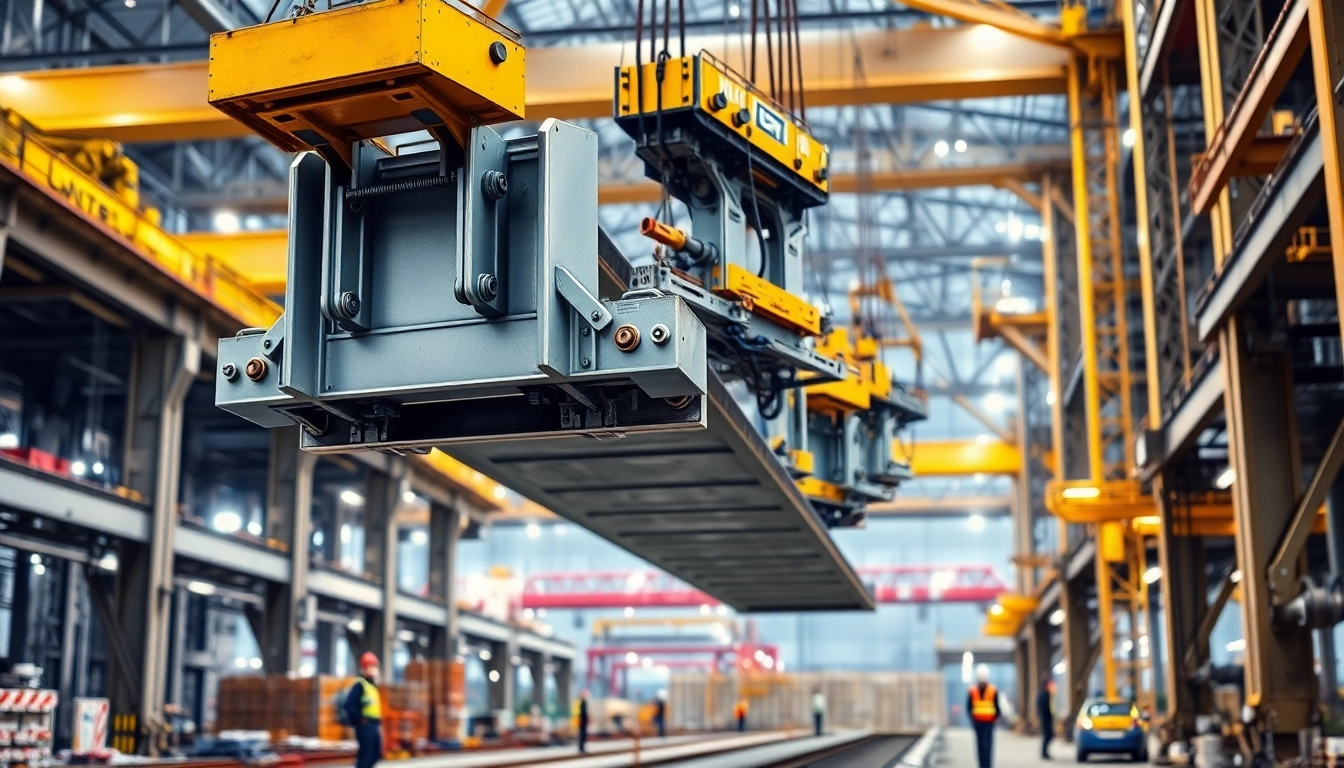
A double girder bridge crane is a type of overhead crane that utilizes two girders, providing a robust framework for lifting heavy loads. The hoist is typically positioned on the lower flange of the girders, allowing for efficient and smooth operation. These cranes can be designed to run on top of the girders (top running) or underneath them (underhung), catering to different operational requirements and spatial constraints.
Key Components and Their Functions
The primary components of a double girder bridge crane include:
- Main Girders: Form the primary structural support, allowing for greater spans and load capacities.
- End Trucks: Facilitate the movement of the crane along the runway, ensuring smooth operation.
- Hoisting Mechanism: Typically an electric hoist that lifts and lowers the load, designed to operate efficiently under heavy loads.
- Trolley: Moves along the girders, allowing precise positioning of the load.
- Control System: Modern double girder cranes are equipped with advanced controls for ease of operation and safety.
Advantages of Using Double Girder Cranes
Double girder cranes offer several notable advantages:
- Enhanced Load Capacity: With a design capable of supporting heavier loads, they are ideal for industrial applications requiring robust equipment.
- Larger Span Capability: The configuration allows for wider spans, making them suitable for expansive work areas.
- Improved Stability: The dual girder system enhances stability during operations, reducing the risk of tipping or swaying.
- Flexibility in Design: Customizable features are available for specific operational needs, including varying heights, spans, and capacities.
Applications of Double Girder Bridge Cranes
Double girder bridge cranes are employed across numerous industries, demonstrating their versatility and efficiency in heavy lifting applications. From manufacturing and shipping to construction and logistics, these cranes play a pivotal role in enhancing productivity.
Industries That Benefit from Double Girder Cranes
Several industries extensively utilize double girder cranes, including:
- Manufacturing: Essential for moving heavy components and materials throughout production lines.
- Construction: Vital for lifting structural elements during building projects, including steel beams and precast panels.
- Shipping and Logistics: Used in ports and warehouses for loading and unloading heavy cargo.
- Aerospace: Supports the assembly and maintenance of aircraft components, which require precise handling of heavy parts.
Case Studies: Success Stories
Consider the aerospace industry, where a major manufacturer integrated a double girder crane system into its assembly line. The result was a significant reduction in the time taken to move components from storage to the assembly area, increasing overall productivity by 25%. In another case, a shipping terminal equipped with double girder cranes improved its unloading times, leading to faster vessel turnarounds and higher throughput.
Common Use Cases in Heavy Lifting
Some of the most common applications include:
- Transporting heavy machinery and equipment.
- Loading and unloading shipping containers.
- Handling large fabricated metal parts in manufacturing plants.
- Lifting and placing structural elements in construction sites.
Choosing the Right Double Girder Crane
Selecting the appropriate double girder crane requires consideration of various factors to ensure it meets specific operational demands and safety standards.
Factors to Consider When Purchasing
When evaluating options for a double girder crane, consider the following:
- Load Capacity: Determine the maximum weight the crane will need to lift regularly.
- Span Requirements: Assess the distance between the support columns to ensure the crane fits your workspace.
- Headroom: Evaluate the available vertical space to ensure safe operation without obstacles.
Load Capacity and Span Requirements
The load capacity and span are crucial factors in crane selection. While double girder cranes can handle capacities ranging from 10 tons to over 300 tons, the span generally varies from 20 to 150 feet. Selecting the proper specifications will ensure efficiency and safety in lifting operations.
Customization Options for Unique Needs
Many manufacturers offer customization options for double girder cranes, such as specialized hoisting mechanisms, advanced control systems, and tailored dimensions. This flexibility is particularly valuable for industries with unique operational requirements, allowing businesses to enhance efficiency and safety.
Maintenance and Safety Practices
Adopting best practices in maintenance and safety is essential to ensure the longevity and reliability of double girder cranes. Regular servicing and adherence to safety protocols can prevent accidents and enhance operational efficiency.
Best Practices for Crane Maintenance
Regular maintenance should include:
- Routine inspections of the hoisting mechanism, trolley, and girders.
- Lubrication of moving parts to reduce wear and tear.
- Testing control systems to ensure functionality and responsiveness.
Safety Protocols to Follow
Key safety protocols involve:
- Training personnel on proper crane operation techniques.
- Implementing weight restrictions to prevent overloads.
- Conducting safety drills regularly to prepare for emergencies.
Preventative Measures to Avoid Accidents
To minimize the risk of accidents, consider these preventative measures:
- Install limit switches to prevent overloads.
- Use warning signals and lights to alert personnel during operations.
- Establish a clear pathway for crane movement to avoid collisions.
Future Trends in Double Girder Cranes
The crane industry is evolving, with innovative technologies and practices shaping the future of double girder cranes. Understanding these trends can help organizations prepare for upcoming changes.
Innovative Technologies Shaping the Industry
Key technological advancements include:
- Automation: The integration of automated systems for precise control and operation, reducing the risk of human error.
- IoT Integration: Smart cranes equipped with sensors that monitor performance and alert operators to potential issues in real-time.
- Advanced Materials: The use of lightweight, durable materials that enhance the crane's strength while reducing its weight.
Sustainability Practices in Crane Manufacturing
As industries strive for sustainability, crane manufacturers are focusing on eco-friendly practices, such as:
- Reducing energy consumption in manufacturing processes.
- Utilizing recyclable materials to create crane components.
- Implementing efficient manufacturing techniques to minimize waste.
Predictions for the Double Girder Crane Market in 2025
Looking ahead to 2025, the double girder crane market is expected to expand significantly, driven by the rise in construction and manufacturing activities worldwide. Increasing demand for automation and efficiency will likely push more companies to invest in advanced crane systems, thus enhancing productivity and safety across various industries.