
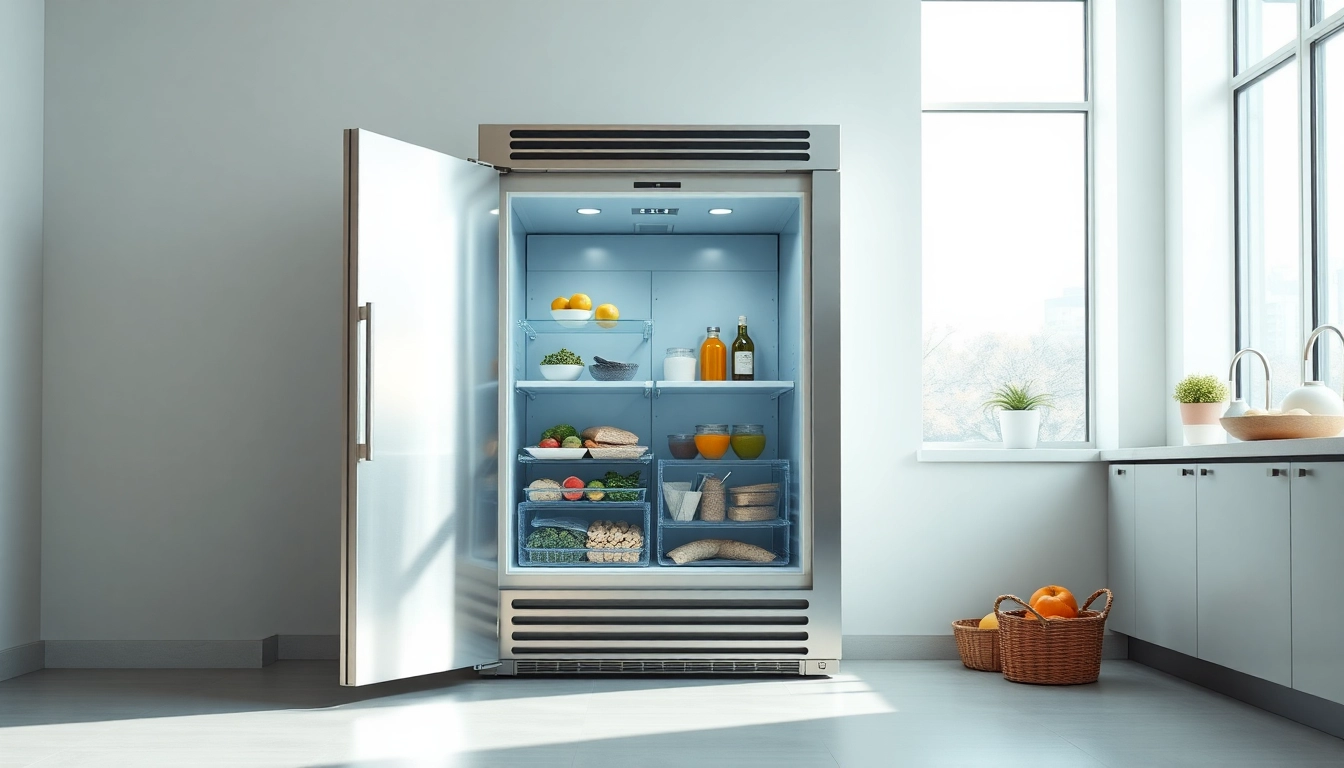
Understanding the Importance of a Freezer
In today’s fast-paced world, the Freezer has become an essential household appliance, revolutionizing how we store food. It serves not only to preserve the longevity of our perishables but also enhances our meal prep efficiency, reduces waste, and allows us to take advantage of bulk purchasing. Understanding the importance of a freezer goes beyond its basic function; it also involves recognizing how it interplays with our health, finances, and lifestyle choices.
Benefits of Freezer Storage
Freezer storage offers numerous benefits that can lead to significant improvements in your cooking and eating habits. One of the primary advantages is that it allows for longer shelf life for various food items. Foods such as meats, vegetables, and even baked goods can be preserved for months, providing a convenient option for busy households. Additionally, freezing food saves money. By buying in bulk and freezing smaller portions, you can reduce the frequency of shopping trips and take advantage of sales, resulting in overall savings. Moreover, having a well-stocked freezer ensures quick meal options are always available, promoting healthier eating by reducing the temptation to purchase fast food.
How Freezers Preserve Food Quality
Freezers work by maintaining a temperature below 32°F (0°C), which effectively halts the growth of bacteria and molds. This cold environment slows down enzymatic reactions that can lead to spoilage, thereby preserving the taste, texture, and nutritional value of food. Moreover, vacuum-sealing foods before freezing can further protect against freezer burn, which compromises food quality. Understanding the science of freezing can empower you to maximize the storage performance of your freezer.
Common Misconceptions About Freezers
Several myths surround freezers, leading to improper understanding and utilization. A prevalent belief is that all foods can be frozen indefinitely without loss in quality. While freezing extends shelf life, different foods have ideal storage times. Fruits and vegetables may last for up to a year, while cooked meals usually last for around two to three months. Another misconception is that food must be thawed completely before cooking, which is not true for many foods that can be cooked from frozen, thus saving time in meal preparation.
Choosing the Right Freezer for Your Needs
When it comes to selecting a freezer, it’s essential to evaluate your specific needs and available space. There are various types of freezers on the market, each suited for different requirements and lifestyles.
Types of Freezers: Upright vs. Chest
Freezers can primarily be categorized as upright or chest varieties. Upright freezers tend to have a smaller footprint, making them a popular choice for homes with limited space. They come with shelves and generally offer better organization, but they may have a slightly higher energy consumption than their chest counterparts. Chest freezers, while bulkier, provide more storage space and better insulation, typically leading to lower operating costs. Choosing between these depends on your space, budget, and expected storage needs.
Energy Efficiency Considerations
When deciding on a freezer, energy efficiency should be a major consideration. Look for models with the Energy Star label, indicating they meet stringent efficiency criteria. Energy-efficient freezers not only contribute to lower electricity bills but also have a reduced carbon footprint. Understanding the power usage of different types can guide you toward a more sustainable choice for your home.
Factors to Consider Before Purchase
Before you buy a freezer, consider your storage capacity needs. Depending on your family size, dietary preferences (like meal-prepping or stocking up on frozen meals), and shopping habits, your ideal freezer size may vary. Additional features such as adjustable shelving, temperature settings, and built-in alarms are also worth evaluating. Moreover, read consumer reviews to gauge the reliability and performance of different models before making a commitment.
Organizing Your Freezer for Maximum Space
Once you secure the right freezer, organizing it effectively is key to maximizing efficiency and minimizing food waste. With proper organization, you can quickly find what you need without digging through frozen goods.
Storage Solutions for Frozen Foods
Utilizing bins, baskets, and dividers can help categorize different types of food, aiding quick access while preventing items from getting lost in the back. Group similar items together, such as meats, vegetables, and herbs, and keep frequently used items at the front. This organization method not only improves retrieval but also ensures better air circulation, which is essential for maintaining optimal freezing conditions.
Labeling and Inventory Tips
To keep track of your frozen items, labeling is vital. Use waterproof markers and labels to write the contents and the date of freezing. Maintaining an inventory list can also streamline your meal prep process, ensuring that older items are used first. Digital inventory management apps have also become popular for tech-savvy users, providing a convenient way to track what’s in your freezer.
Best Practices for Freezing Foods
To preserve the quality of food when freezing, it’s essential to follow best practices. Use freezer-safe containers to minimize air exposure, and pre-chill hot foods before adding them to the freezer to maintain the ideal internal temperature. Portion out foods into smaller servings, which make for quicker thaw times and aid in meal prep. Additionally, blanch vegetables before freezing to retain color, flavor, and nutritional value.
Maintenance Tips for Your Freezer
Regular maintenance extends the lifespan of your freezer and ensures its efficiency. Implementing simple preventive measures can save you from costly repairs or loss of frozen goods.
Regular Cleaning Guidelines
Regularly clean your freezer to prevent build-up that can impede its performance. Unplug the unit, defrost it if necessary, and wipe down shelves and surfaces with a mixture of baking soda and water. Ensure the door seals are clean and intact, as these play a vital role in energy efficiency. A clean appliance is not only more efficient but also helps maintain the quality of stored food.
Common Issues and Troubleshooting
Common freezer issues include unusual noises, temperature fluctuations, or door seals that do not close properly. If you notice inconsistent temperatures, check the appliance’s settings, and make sure the air vents are unobstructed. For any persistent issues, refer to the user manual for troubleshooting tips or consult a professional technician. Trouble can often be avoided with regular checks and maintenance.
Extending the Lifespan of Your Freezer
To ensure your freezer lasts for many years, consider investing in a quality surge protector to guard against electrical surges. Regularly check and maintain proper temperatures, keep the compressor clean, and assess the condition of the door seals periodically. A well-cared-for freezer can serve you effectively for years, providing you with essential storage for your food supplies.
FAQs About Freezers
What is the optimal temperature for a freezer?
The optimal temperature for a freezer is 0°F (-18°C) to keep food safe and preserve quality.
How often should I defrost my freezer?
You should defrost your freezer at least once a year, or whenever ice buildup exceeds 1/4 inch for efficient performance.
Can I freeze any type of food?
Most foods can be frozen, but some may lose quality. High-water-content foods like lettuce typically do not freeze well.
What are signs that my freezer is malfunctioning?
Signs of malfunction include unusual noises, temperature inconsistencies, excessive frost buildup, or leaking water.
How can I save energy with my freezer?
Save energy by keeping the freezer full but not overcrowded, sealing it properly, and maintaining optimal temperature settings.