
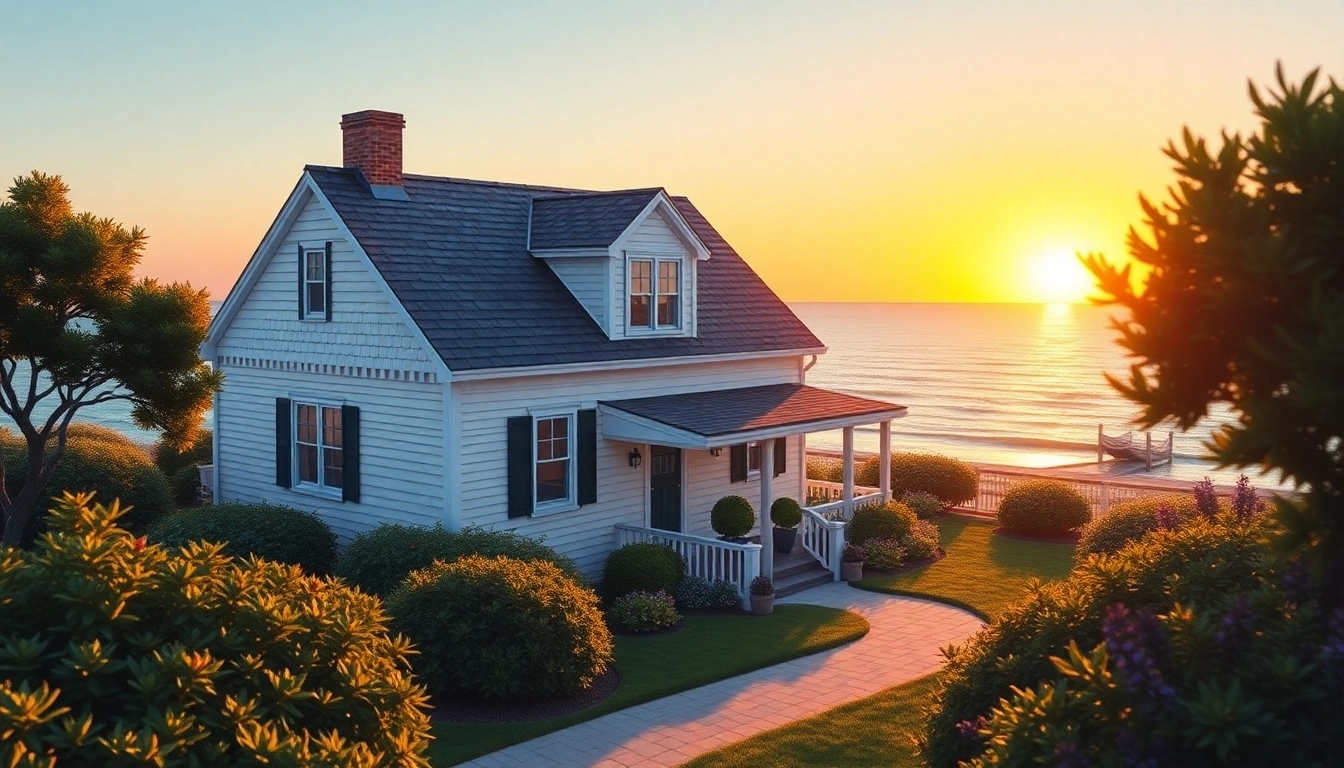
1. Introduction to Cape Cod Home Design
The appeal of a cape cod home lies in its unique charm, functional design, and deep-rooted cultural significance. Originating from New England, Cape Cod homes embody a distinct architectural style that harmonizes with their coastal surroundings. This article delves into the history, benefits, and essential elements that define Cape Cod homes, providing a comprehensive overview for anyone looking to embrace this iconic style.
1.1 Understanding Cape Cod Architecture
Cape Cod architecture is characterized by its simplicity and practicality. These homes typically feature symmetrical facades, steeply pitched roofs, and dormer windows, which serve both aesthetic and functional purposes. The design minimizes wind resistance—ideal for coastal climates—while allowing ample natural light to penetrate the living spaces.
1.2 Historical Context and Evolution
The term ‘Cape Cod’ was first used in the 17th century by settlers who arrived in the region. Early Cape Cod homes were constructed using local timber and were designed to withstand the harsh winters and salty air. Over time, the design evolved, incorporating modern materials and sustainable practices while maintaining its historical essence. This evolution reflects not only changes in architectural trends but also advancements in building technology.
1.3 Key Features of a Cape Cod Home
Key features of a Cape Cod home include:
- Steeply pitched roofs that facilitate snow runoff.
- Symmetrical design elements, including windows and doors.
- Charming dormers that add character and light.
- Natural materials, such as wood siding, to harmonize with the landscape.
These attributes combine to create homes that are not only visually appealing but also practical for coastal living.
2. Advantages of Choosing a Cape Cod Home
As homeowners look for designs that balance aesthetics with performance, Cape Cod homes present numerous advantages. Their architectural form is not just about looks; it encompasses practical benefits that enhance living experiences.
2.1 Energy Efficiency and Sustainability
With an increasing focus on sustainability, Cape Cod homes are inherently designed to be energy-efficient. The steep roofs facilitate snow and rain runoff, thus reducing wear and tear on roofing materials. Additionally, many Cape Cod homes incorporate modern insulation techniques and energy-efficient windows, which collectively reduce heating and cooling costs.
2.2 Versatile Design for Modern Living
The Cape Cod design is inherently versatile, easily accommodating contemporary adaptations. Open floor plans allow for seamless transitions between living spaces, accommodating a variety of lifestyles. As families grow or change, the layout can evolve without extensive renovations, making the Cape Cod home a long-lasting investment.
2.3 Adaptability in Coastal Environments
Built primarily for coastal living, Cape Cod homes are well-prepared to handle the unique challenges of seaside environments. Their sloped roofs and elevated foundations prevent flooding and water damage, while their robust materials resist corrosion and deterioration caused by salty air. This adaptability ensures longevity and reduces maintenance needs.
3. Essential Elements of Cape Cod Home Interior Design
Design choices inside a Cape Cod home should reflect both its classic charm and modern sensibilities. This section explores essential interior aspects that can enhance the appeal and functionality of your home.
3.1 Popular Interior Design Styles
While Cape Cod homes traditionally embrace a nautical theme, modern interpretations allow for diverse design choices. Some popular styles include:
- Coastal Chic: Combining light colors and natural textures, this style embraces seaside living with soft linens and driftwood accents.
- Traditional New England: Featuring dark woods and classic furnishings, this style celebrates the rich history of the Cape Cod aesthetic.
- Minimalistic: A focus on clean lines and a neutral color palette allows spaces to feel open and airy.
3.2 Selecting the Right Color Palette
When choosing colors for a Cape Cod home, the goal should be to echo the natural environment. Soft blues, sea greens, sandy beiges, and crisp whites evoke a serene coastal vibe. These colors not only enhance the aesthetic but also promote a sense of tranquility throughout the home.
3.3 Incorporating Functional Spaces
Functional spaces are key to a well-designed Cape Cod home. Homeowners should consider the following:
- Open-Concept Living: Create flexible living areas that connect the kitchen, dining, and living rooms.
- Enchanting Nooks: Design reading nooks or small office spaces within the layout to maximize utility.
- Storage Solutions: Incorporate built-in shelves and storage to maintain an open and uncluttered look.
4. Outdoor Living Spaces in Cape Cod Homes
Emphasizing outdoor living is a significant aspect of the Cape Cod lifestyle. This section delves into elements that enhance both outdoor aesthetics and functionality.
4.1 Designing Inviting Patios and Decks
Patios and decks serve as extensions of the indoor living space. Designing these areas to include comfortable seating, ambient lighting, and multifunctional features like fire pits creates a welcoming environment. Natural materials such as wood and stone can enhance the aesthetic while ensuring durability against coastal weather.
4.2 Landscaping Ideas for Cape Cod Homes
Landscaping plays an integral role in defining the character of a Cape Cod home. Native plants that can withstand coastal conditions, such as beach grass and lavender, are excellent choices. Additionally, incorporating pathways, garden beds, and low-maintenance features can create an inviting outdoor atmosphere.
4.3 Utilizing Views and Natural Light
Strategically placed windows and glass doors can maximize views of the surrounding landscape and allow for natural light to flow into the home. Consider planning outdoor spaces that take advantage of the best views, providing seamless transitions between indoor and outdoor environments.
5. Frequently Asked Questions about Cape Cod Homes
5.1 What defines a Cape Cod home?
A Cape Cod home is typically characterized by its steeply pitched roof, symmetrical facade, dormer windows, and a robust structure that enhances its durability against coastal weather conditions.
5.2 Are Cape Cod homes energy efficient?
Yes, Cape Cod homes are inherently energy efficient due to their design, which minimizes heat loss and incorporates modern insulation and energy-efficient windows.
5.3 What are the common materials used?
Common materials include wood for siding and framing, shingles for roofing, and aluminum or vinyl for window trims, emphasizing durability and maintenance ease.
5.4 How can I maintain my Cape Cod home?
Regular maintenance involves inspecting roofs and gutters, repainting or staining wood surfaces, and ensuring proper drainage to prevent water damage and rot.
5.5 What modern features can I incorporate?
Modern features include open-floor plans, smart home technology, energy-efficient appliances, and modernized kitchen and bathroom designs that enhance functionality and comfort.