
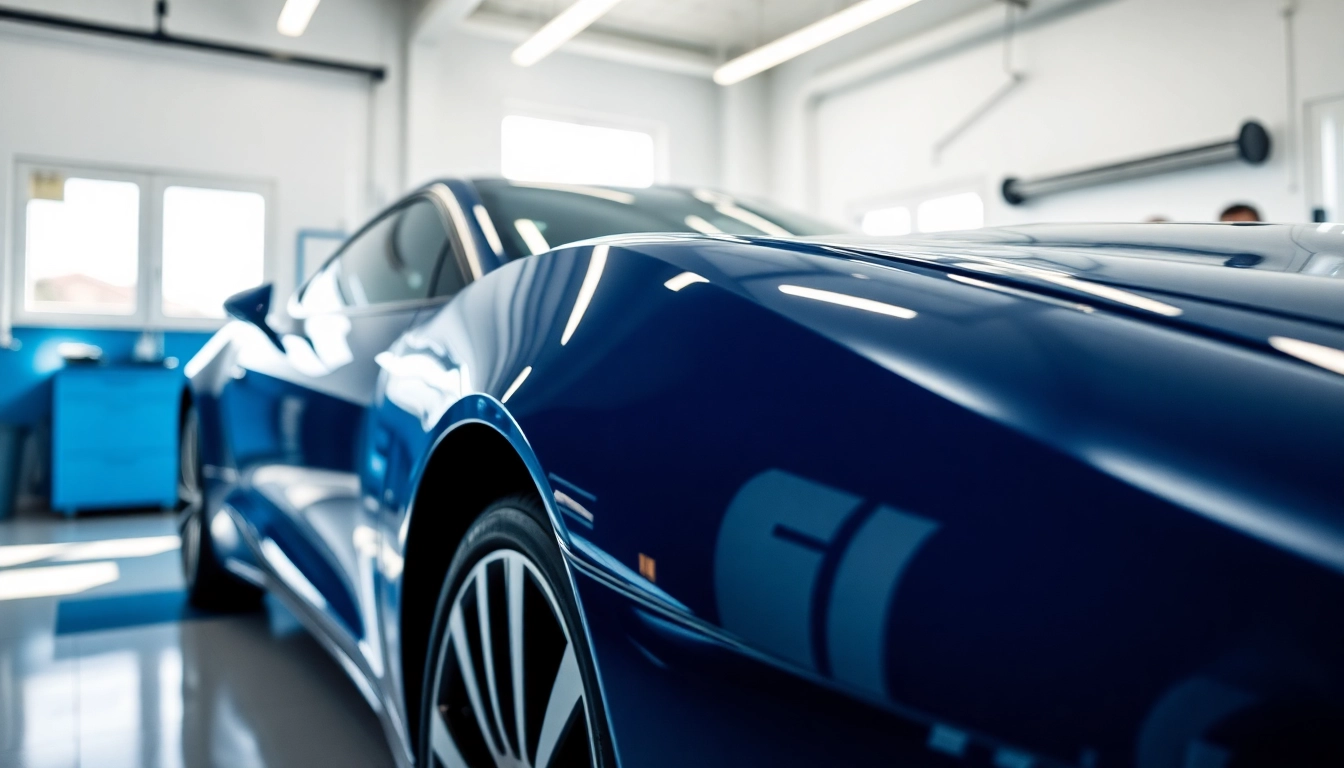
Understanding Salt Protection Ceramic Coating
What is Ceramic Coating?
Ceramic coating is a liquid polymer applied to the exterior of a vehicle, creating a protective shield that bonds with the vehicle’s factory paint. Unlike traditional waxes or sealants, which essentially sit on the surface, ceramic coatings penetrate the paint and provide a durable layer that can withstand environmental challenges. This technology utilizes advanced nanotechnology to form a robust bond that can last for years with proper maintenance.
Benefits of Salt Protection
A significant advantage of using a salt protection ceramic coating is its ability to guard against corrosive elements, particularly road salt. During winter, as vehicles navigate salted roads, the risk of corrosion increases considerably. Salt can compromise the integrity of a vehicle’s paint and underlying metal. By using a ceramic coating designed specifically for salt protection, enthusiasts can mitigate these hazards. Other benefits include resistance to UV rays, easy cleaning, and enhanced visual appeal, all contributing to a vehicle’s longevity and value.
How It Works
The science behind salt protection ceramic coating lies in its molecular structure. The coating forms a semi-permanent bond with the vehicle’s surface, creating a hydrophobic layer that repels water and contaminants, including salt. This characteristic reduces the risk of corrosion, as less moisture can penetrate the paint layer. Furthermore, this shielding effect means grime and salt are less likely to stick, making maintenance and cleaning much easier. Regular washing and detailing can keep the vehicle looking pristine, ensuring that the protective properties remain effective over time.
Choosing the Right Ceramic Coating
Factors to Consider
When selecting a ceramic coating, several factors come into play. One must consider the type of vehicle, its primary usage, and the environmental conditions it will face. For example, a daily driver exposed to road salt should prioritize a coating designed for durability and chemical resistance. The manufacturer’s reputation is also critical; look for products backed by scientific research and user testimonials. Additionally, the ease of application, warranty, and anticipated longevity should also factor into the decision-making process.
Top Features to Look For
Not all ceramic coatings are created equal. Some essential features include:
- Hydrophobic Properties: This ensures water beads off the surface, preventing dirt build-up.
- UV Resistance: Protects from fading and oxidation caused by sunlight.
- Chemical Resistance: Essential for withstanding elements like road salt, bird droppings, and tree sap.
- Durability: Look for products that promise long lifespans, ideally several years.
- Ease of Application: Some coatings are easier to apply than others; choose one that fits your skill level.
Common Misconceptions
Many misconceptions surround ceramic coatings. One prevalent myth is that they eliminate the need for maintenance. While ceramic coatings significantly reduce maintenance requirements, they do not make a vehicle maintenance-free. Regular washes are necessary to remove contaminants and ensure the longevity of the coating. Another misunderstanding is that all ceramic coatings perform equally; this is untrue, as there are varying degrees of quality and effectiveness in the market.
Application Process for Salt Protection Ceramic Coating
Preparation Steps
The application of a ceramic coating begins with thorough preparation. First, the vehicle must be meticulously washed to remove dirt, grime, and existing wax. A clay bar treatment may be employed to eliminate embedded contaminants. It’s vital to ensure the surface is free from any imperfections like scratches or swirl marks, as these will be sealed under the coating. A paint correction stage may be necessary for vehicles with significant wear.
Application Techniques
Applying a ceramic coating requires precision and patience. Typically, the coating is applied in small, manageable sections. Using an applicator pad, the product must be spread evenly across the surface, following the manufacturer’s instructions for curing times and application methods. Depending on the formula, some coatings may require multiple layers for optimal effectiveness; make sure to allow adequate curing time between applications.
Post-Application Care
After the application, it’s crucial to allow the ceramic coating to cure properly, which can take anywhere from a few hours to several days, depending on the product. During this time, avoid exposing the coated surface to water or contaminants. After curing, maintaining the vehicle becomes essential. Use pH-neutral shampoos for washing, and consider applying a maintenance spray designed for ceramic coatings to enhance the protective layer and gloss.
Maintaining Your Vehicle After Application
Cleaning Tips
Regular cleaning is essential to keeping the benefits of the salt protection ceramic coating intact. Opt for a two-bucket wash method to reduce swirl marks; one bucket for the wash solution and the other for rinsing your mitt. Always rinse thoroughly to remove road grime, particularly the residues from salt. High-pressure rinsing may help dislodge stubborn contaminants without damaging the coating.
Regular Maintenance Schedule
Establishing a maintenance schedule is key to prolonging the life of a ceramic coating. Schedule routine washes every two to four weeks, depending on your driving conditions. Additionally, a deeper cleaning with a clay bar or machine polishing every six months can help in restoration and rejuvenation of the coating. When necessary, reapplication of a spray sealant can help bolster existing protection.
Signs of Wear
Knowing when your ceramic coating needs attention can save you time and money. Common signs of wear include a decrease in the hydrophobic effect, noticeable dirt build-up, or fading of color. Address these issues promptly, as minor maintenance can usually restore the coating’s efficacy before the need for a complete reapplication arises.
FAQs about Salt Protection Ceramic Coating
How long does the coating last?
The longevity of a salt protection ceramic coating can vary but typically lasts between two to five years, depending on the quality and maintenance.
Can I apply it myself?
Yes, many products are designed for DIY application, but achieving professional results requires careful preparation and technique.
Is it worth the investment?
Investing in a ceramic coating is often worthwhile due to its long-term protective benefits, reducing maintenance costs and preserving vehicle value.
Does it prevent scratches?
While a ceramic coating provides a durable layer of protection, it does not make a vehicle scratch-proof. It will, however, resist minor abrasions better than untreated surfaces.
What are the weather considerations?
Ceramic coatings perform well in various weather conditions, but it’s essential to allow proper curing after application and avoid extreme temperatures.