Posted on

Top Trends in Mens Slim Straight Jeans for Every Occasion

Model confidently wearing mens slim straight jeans against a colorful urban backdrop.

Understanding Mens Slim Straight Jeans

In today’s fashion landscape, mens slim straight jeans stand out as a versatile wardrobe essential. These jeans strike the perfect balance between comfort and style, making them an ideal choice for various occasions. This article explores the anatomy, styling tips, care practices, and perfect fits for mens slim straight jeans.

What Are Slim Straight Jeans?

Slim straight jeans are a style of denim that offers a tailored fit running from the hip to the ankle. Unlike skinny jeans, which are snug throughout, the slim straight cut provides a bit more room while maintaining a modern silhouette. This style is perfect for those who prefer a clean look without the constrictive feel often associated with tighter fits.

Key Features of Slim Straight Jeans

  • Fit: The slim straight cut offers a tailored fit, providing comfort without compromising style.
  • Versatility: They can be dressed up or down, making them suitable for various occasions.
  • Fabric Quality: Typically made from durable denim, often blended with elastane for added stretch and comfort.
  • Rise: Available in different rises (low, mid, and high) to cater to personal preferences.

Why Choose Slim Straight Jeans?

The popularity of mens slim straight jeans stems from their adaptability. They fit well with various body types, supporting both casual and semi-formal looks. From a weekend outing to a workplace environment, these jeans provide a reliable style with ease. They also help create a streamlined appearance, enhancing one’s overall silhouette.

Styling Mens Slim Straight Jeans

Styling mens slim straight jeans can be fun and creative. The key lies in understanding the versatility of the jeans and how to pair them with various clothing items and accessories.

Casual vs. Formal Looks

For a casual look, consider pairing your slim straight jeans with a simple t-shirt or polo and sneakers. Light layers like denim jackets or casual blazers can add depth to your outfit without over-complication. For a more formal aesthetic, opt for a button-down shirt or a fitted turtleneck, combined with loafers or dress shoes. Adding a belt and a tailored blazer can elevate the overall look further.

Accessorizing Your Outfit

Accessories can enhance the appeal of mens slim straight jeans significantly. A stylish wristwatch, a leather band, or even a chic pair of sunglasses can upgrade your outfit. Scarves can add texture while bags provide functionality without sacrificing style. Remember to match your accessories’ colors with your overall attire for a cohesive look.

Seasonal Style Tips

Seasonal changes offer excellent opportunities to rethink how you style your mens slim straight jeans. In the warmer months, opt for lighter fabrics and colors, pairing them with breathable tops. During colder seasons, layering is key; consider wearing thermal shirts, insulated jackets, or knitwear for warmth without losing style. Don’t shy away from enriching your outfit with seasonal color palettes and patterns, too.

Caring for Your Slim Straight Jeans

To maximize the lifespan of your mens slim straight jeans, proper care is essential. Regular maintenance keeps these jeans looking fresh and stylish.

Best Washing Practices

Always read the label for washing instructions. Generally, wash slim straight jeans inside out in cold water to preserve color and fabric integrity. Avoid using harsh detergents, as these may lead to color fade. Line drying is advisable to retain the jeans’ shape, while tumble drying can lead to shrinkage.

Storage Tips for Longevity

Storing your mens slim straight jeans correctly is crucial. Always fold them rather than hanging to avoid stretching out the fabric. Keep them in a cool, dry place away from direct sunlight to prevent color fading. Using drawer organizers can help maintain order and ease accessibility.

Repairing Common Issues

Repairing minor issues, such as small tears or loose threads, can extend the life of your jeans. Sewing kits can be handy for quick fixes. If your jeans develop larger holes or wear signs, consider visiting a tailor for professional repair, ensuring they look as good as new.

Finding the Right Fit

A perfect fit is essential for the best appearance and comfort of your mens slim straight jeans. Understanding your body type and how jeans are sized can make a significant difference.

Understanding Size Charts

Walking through size charts before purchasing is vital. Sizes can vary across brands; therefore, always refer to the specific chart associated with the jeans you’re interested in. It’s also important to take your measurements properly, considering your waist, hips, and inseam.

Trying Before You Buy

If possible, always try on jeans before making a purchase. Pay attention to how the jeans fit around the waist, thighs, and calves. Sit and move around a bit to ensure comfort. Many retailers offer return policies, but nothing beats trying them in-store.

Tailoring Options

If jeans fit well except for minor adjustments, tailoring can be a wise investment. A skilled tailor can adjust the waistband, hem length, and even the overall fit, ensuring your mens slim straight jeans complement your body perfectly.

Frequently Asked Questions

What body types suit mens slim straight jeans?

Mens slim straight jeans generally suit various body types, especially athletic builds, as they provide a balanced silhouette without being overly tight.

Can I wear mens slim straight jeans to formal events?

Yes, with the right pairing, such as dress shoes and a blazer, mens slim straight jeans can be appropriate for semi-formal occasions.

How do I choose the right size?

Refer to the size chart of the brand and measure your waist, hips, and inseam to determine the best fit for you.

What are the best colors for versatility?

Dark indigo, black, and gray are excellent color choices for versatility, as they can be easily matched with various tops and accessories.

How to style mens slim straight jeans with footwear?

Pair them with sneakers for a casual look or leather shoes for a smarter style. Desert boots also work well to bridge the gap between casual and formal.

Posted on

Elevate Your Home with the Best LVP Flooring: A Comprehensive Guide

Transform your space with the best lvp flooring, showcasing a stylish living room with walnut finishes.

Understanding LVP Flooring

What is LVP Flooring?

Luxury Vinyl Plank (LVP) flooring is a modern solution for homeowners seeking a combination of style, durability, and ease of maintenance. Designed to mimic the appearance of natural wood or stone, LVP consists of multiple layers that work together to provide a realistic look and sturdy build. The top layer is typically a wear layer, which protects against scratches, stains, and fading, while the core layer ensures stability and structure. This versatility makes LVP a popular choice among property owners and designers alike.

Benefits of Best LVP Flooring

There are numerous benefits associated with best lvp flooring. This flooring type is not only stylish but also affordable. Its resistance to moisture and humidity makes it suitable for various applications, including kitchens and bathrooms. Additionally, LVP is easy to install, typically requiring less time than traditional hardwood due to its click-lock installation system. Furthermore, its low-maintenance nature means you can spend less time cleaning and more enjoying your home.

LVP vs Traditional Flooring Options

When comparing LVP to traditional flooring options such as hardwood, tile, and carpet, several key differences emerge. Hardwood offers a timeless aesthetic but requires high maintenance and is susceptible to scratches and water damage. Tile, on the other hand, is durable but can be cold underfoot and may require grout maintenance. Carpet provides comfort and warmth but can stain easily and is difficult to clean. In contrast, best lvp flooring combines the visual appeal of these materials while offering superior durability, ease of installation, and minimal maintenance requirements, making it an increasingly favored choice among homeowners.

Choosing the Right Best LVP Flooring

Key Features to Consider

When selecting best lvp flooring, it’s essential to consider features like thickness, wear layer, and overall quality. Thicker planks are generally more durable and provide better sound insulation, while a robust wear layer enhances resistance to scratches and scuffs. Additionally, look for products with waterproof capabilities if you plan to install them in moisture-prone areas. A high-quality core layer, often made from PVC, is also crucial as it contributes to the longevity of the flooring.

Assessing Your Space

Your choice of LVP will significantly depend on the space where it will be installed. For example, high-traffic areas such as hallways and living rooms require robust flooring that can withstand wear, while bedrooms may accommodate varying aesthetic choices. Additionally, consider the lighting in the room, as it can dramatically change the perception of colors and textures. Lastly, ensure that any subfloor imperfections are addressed before installation, ensuring a flat and firm foundation for the planks.

Color and Texture Selection

The color and texture of the best lvp flooring play significant roles in achieving the desired ambiance in your home. Options range from light, natural wood tones to rich, dark finishes that evoke elegance. Texture can further influence the look and feel of your space; for instance, handscraped finishes provide a rustic appearance, while smooth finishes offer a modern allure. Pay attention to how these choices will coordinate with your existing décor, furniture, and overall design theme to ensure a cohesive aesthetic.

Installation Process for Best LVP Flooring

Preparation Steps

Before installing best lvp flooring, proper preparation is key to achieving optimal results. Start by removing any old flooring materials and ensuring that the subfloor is level, dry, and clean. If you’re installing LVP over concrete, consider using an underlayment to absorb sound and moisture. It’s also advisable to acclimate the planks according to the manufacturer’s recommendations, allowing them to adjust to the room’s temperature and humidity levels, ensuring a better fit during installation.

Professional vs DIY Installation

Deciding between hiring a professional or conducting a DIY installation can depend on your budget, expertise, and the complexity of the project. While hiring professionals can ensure precision and save time, installing LVP yourself can be a rewarding and cost-effective option if you’re comfortable with basic tools and following instructions. Tutorials and guides are widely available to assist DIY enthusiasts, making this task more achievable than ever.

Maintenance for Longevity

To maintain the durability and appearance of your best lvp flooring, regular upkeep is essential. Simple tasks like sweeping or vacuuming to remove dirt and debris should be routine, while occasional damp mopping with a gentle cleaner can help restore shine. It’s crucial to avoid harsh chemicals that can damage the finish. Additionally, placing mats at entry points can help prevent scratching and wear from heavy foot traffic.

Cost Factors in Best LVP Flooring

Budgeting for Your Project

When budgeting for LVP flooring, consider not only the cost of the planks themselves but also additional expenses such as underlayment, tools, and potential labor costs if hiring professionals. Prices for best lvp flooring can vary widely depending on brand, quality, and features, but on average, it remains more affordable than traditional hardwood options. Establishing a clear budget prior to shopping will help you make informed choices while ensuring that you stay within financial limits.

Cost Comparison with Other Flooring

Cost comparisons between best lvp flooring and other options like hardwood, tile, and laminate can reveal significant savings. While hardwood flooring can run upwards of $10 per square foot, LVP typically averages between $2 to $7 per square foot. This affordability, coupled with the durability and maintenance savings LVP offers, makes it a compelling choice for many homeowners. Tile can also be more expensive when factoring in labor costs for installation, making LVP an appealing alternative.

Value Over Time

Investing in best lvp flooring translates to long-term benefits, including cost savings from reduced maintenance and replacement needs. When cared for correctly, it can last 10-20 years or more, positioned to outperform many other flooring types in terms of longevity. Furthermore, its aesthetic appeal can enhance property value, making it a smart financial choice for homeowners looking for both practicality and beauty.

FAQs About Best LVP Flooring

How durable is best lvp flooring?

Best lvp flooring is known for its durability, making it resistant to scratches, dents, and water damage. This makes it a suitable choice for homes with high foot traffic or pets.

Can I install best lvp flooring over existing floors?

Yes, you can install best lvp flooring over most types of existing flooring after proper preparation. Ensure the surface is level and clean for optimal results.

What maintenance does best lvp flooring require?

Regular sweeping and occasional damp mopping will keep your best lvp flooring looking new, extending its life while preventing buildup of dirt and grime.

Is best lvp flooring safe for pets?

Yes, best lvp flooring is a great option for homes with pets due to its resistance to scratches and stains, offering both beauty and durability.

Where can I buy the best lvp flooring?

Best lvp flooring is available at home improvement stores and specialized flooring retailers, ensuring a wide array of options to suit every taste and budget.

Posted on

フォロワーを増やすための効果的な戦略

tiktok いいね 買う方法を分析するデジタルマーケティングチームの光景

効果的なフォロワー購入のメリット

フォロワー数の増加がもたらす影響

TikTokなどのSNSでフォロワーを増やすことは、特にビジネスやブランドにとって非常に重要です。フォロワー数が増えることで得られる効果は多岐にわたります。まず、ユーザーの信頼を得やすくなります。多くのフォロワーを持つアカウントは、一般的に信頼性や影響力が高いと見なされ、他ユーザーからの支持を得やすくなります。また、ブランドや商品の認知度も向上し、市場での競争力が高まります。このような理由から、フォロワーを増やすための戦略として、tiktok いいね 買うという方法が注目されています。

ブランディングとの関連性

フォロワー数とブランディングは切っても切れない関係にあります。フォロワーを増やすことで、ブランドが提供するメッセージや価値を広めやすくなります。強力なフォロワーベースがあれば、新しいプロダクトのローンチやキャンペーンに対しても、より高いエンゲージメントを期待できます。これは、ブランドの認知度を高め、価値を向上させる上で重要な要素です。

競合との差別化

競争の激しい市場環境では、差別化が不可欠です。多くのフォロワーを持つことで、他の競合と明確に差別化を図ることができます。特に、ニッチな市場においては、フォロワー数が多いことが競争優位性に繋がる場合があります。フォロワーを購入することで、短期間で自社の認知度を上げ、競合との優位を築くことが可能になります。

信頼できるサービスの見極め方

レビューと評価の重要性

フォロワーを購入する際には、信頼できるサービスを選ぶことが重要です。そのためには、他のユーザーからのレビューや評価を確認することが不可欠です。実績のあるサービスは、通常、利用者からの良いフィードバックが豊富にあります。具体的な評価を基に、どれが信頼できるサービスかを判断しましょう。

透明性のある企業選び

信頼できるサービスを見つけるためには、企業の透明性が重要です。具体的には、料金体系やサービス内容が明確であること、サポート体制が充実していることが求められます。評価の良い会社は、何のためにフォロワーを提供しているのか、何かしらのポリシーがあることが多いです。

カスタマーサポートの有無

フォロワー購入は、時にトラブルを伴うことがあります。そのため、カスタマーサポートが充実しているかどうかも重要な要素です。問題が発生した際に迅速に対応できるサポート体制が整っていると、安心してサービスを利用できます。

フォロワー購入のリスク管理

偽アカウントの見分け方

フォロワーを購入する際には偽アカウントのリスクが伴います。偽アカウントが多くなれば、エンゲージメント率が低下し、逆にブランドの評価を下げてしまう可能性があります。購入前に、企業が提供するフォロワーのアカウントの質を確認することが重要です。

サーバーの安定性について

フォロワーを購入する際には、サービスのインフラが安定しているかどうかを確認することが必要です。サーバーが不安定だと、遅延やエラーが発生し、せっかくのフォロワー数が帳消しになることもあります。

ポリシーの遵守

フォロワーを購入する際には、プラットフォームの利用規約やガイドラインを遵守したサービスを選ぶことが重要です。規約に従っていないサービスからフォロワーを購入することは、アカウントの停止や削除につながりかねません。

戦略的なフォロワー獲得計画

ターゲット市場の特定

フォロワー獲得戦略において、まずはターゲット市場を特定することが重要です。具体的には、どのようなユーザー層にアプローチしたいのかを明確にすることで、効率的なキャンペーンを展開することができるようになります。

コンテンツ戦略の最適化

効果的なコンテンツ戦略を構築することは、フォロワーを増やすために不可欠です。利用者のニーズに応えるコンテンツを提供することで、自然なフォロワーの増加を促すことができます。内容の質を高め、有益な情報を提供することで、支持を得やすくなります。

エンゲージメント度のモニタリング

フォロワーを獲得するだけではなく、その後のエンゲージメントをモニタリングすることも重要です。どのコンテンツが反響を呼んでいるのか、どの時間帯に投稿するのが効果的かを把握し、戦略を随時最適化していく必要があります。

購入後のフォロワー維持戦略

オーガニックアプローチの統合

フォロワーを増やした後は、オーガニックアプローチを取り入れることで、その数を維持することが重要です。オーガニックなフォロワーは質が高く、深いエンゲージメントを提供する傾向があります。これは、ブランドの信頼性を維持する上で大きな役割を果たします。

インタラクティブコンテンツの作成

インタラクティブなコンテンツを作成することで、フォロワーとの関係をより強固なものにすることができます。例えば、フォロワー参加型のイベントやキャンペーンを実施することで、彼らの参加を促し、ブランドへの愛着を高めることができます。

定期的な分析と改善

フォロワー獲得後も、定期的に分析を行い、その結果を基に施策を見直していくことが重要です。エンゲージメント率の変化やフォロワー数の動向を観察し、新たな戦略を導入することで、常に最適な状態を保つことができます。

よくある質問(FAQ)

フォロワーを購入する際のメリットは?

購入することで、短時間でのフォロワー増加が見込め、信頼性の向上や認知度の拡大が期待できます。

信頼できるサービスはどのように見分けますか?

レビューや評価をチェックし、透明性が高く、カスタマーサポートが充実しているサービスを選びましょう。

フォロワー購入はリスクがありますか?

はい、偽アカウントなどのリスクがありますので、信頼できるサービスを選ぶことが重要です。

フォロワー購入後、どう維持しますか?

オーガニックアプローチを取り入れ、インタラクティブコンテンツを作成して、フォロワーとの関係を深めることが必要です。

エンゲージメントを高めるにはどうすればよいですか?

質の高いコンテンツを提供し、フォロワーとのコミュニケーションを意識することが大切です。

Posted on

フォロワーを購入することのメリットと注意点

tiktok いいね 買うを通じて成長を目指すマーケターのシーン

フォロワー購入の基本

フォロワー購入とは何か

フォロワー購入とは、ソーシャルメディアプラットフォーム、特にInstagramやTwitter、TikTokにおいて、自分のアカウントのフォロワー数を増やすためにサービスを利用してフォロワーを購入する行為を指します。この方法は短期間でフォロワーを増やし、見た目の人気を上げることができるため、多くのユーザーに利用されています。特に、ビジネスアカウントやインフルエンサーにとって、フォロワーの数は信頼性や影響力の指標となるため、注目されています。

なぜフォロワーを購入するのか

フォロワーを購入する理由はいくつかありますが、主に次のような点が挙げられます。まず、フォロワーが多いことで他のユーザーからの信頼感が増し、ビジネス機会を得やすくなるからです。また、エンゲージメントの指標が向上することで、広告収益が期待できるようになります。さらに、特定のキャンペーンやプロモーションを展開する際、迅速に多くのフォロワーを集めることが必要になることもあり、そのためにフォロワーを購入する選択肢が浮上します。tiktok いいね 買うことも、同様の理由で考えられます。

フォロワー購入のメリット

フォロワーを購入することで得られるメリットには以下のような点があります。

  • 視覚的な魅力の向上: フォロワー数が多いことで、ページが活気づき、一見の価値が高まります。
  • ブランド認知度の向上: より多くのフォロワーは、ブランドやサービスの認知度を高め、潜在的な顧客の関心を引きます。
  • 競争優位性: 競合他社と比較してフォロワーが多いことは、信頼性や権威性を示す要素になります。
  • エンゲージメントの増加: 購入したフォロワーがリアルなユーザーであれば、エンゲージメントが高まり、ビジネスに有利な状況が生まれます。

フォロワー購入のリスク

アカウント停止の可能性

フォロワーを購入することにはリスクも伴います。そのひとつが、プラットフォームによるアカウント停止の可能性です。多くのソーシャルメディアは、偽のアカウントや購入したフォロワーを検出するためのアルゴリズムを導入しています。その結果、アカウントが一時的または恒久的に停止される恐れがあります。

エンゲージメントの低下

購入したフォロワーの中には、実際にアクティブに活動していないユーザーが含まれていることがあります。このようなフォロワーは、投稿に対するエンゲージメントを低下させる要因となります。エンゲージメントが低ければ、アルゴリズムによるフィードバックが悪化し、より多くのフォロワーを失う可能性があります。

フォロワーの質について

購入したフォロワーの質も重要な考慮点です。本物のフォロワーと異なり、購入したフォロワーはしばしば本物のユーザーではなく、興味を持たない情報を受け取ることになります。その結果、フォロワーは投稿に対する反応や活動をすることが少なく、実質的な価値が薄れることがあります。

効果的なフォロワー購入の方法

信頼できるサービスの選び方

フォロワーを購入する際には、信頼できるサービスを見つけることが重要です。レビューや評価を確認し、過去の利用者の体験談を参考にすることで、信頼性を判断できます。また、業界での評判やサービスの透明性も考慮するポイントです。

購入する際の価格帯

フォロワーの購入には様々な価格帯がありますが、安すぎるサービスには注意が必要です。一般的に、適正価格の範囲内にあるサービスを選ぶことで、質の良いフォロワーを獲得できる確率が高まります。また、価格が高ければ必ずしも質が良いとは限らないため、総合的な判断が求められます。

レビューの重要性

サービスを選ぶ際は、他のユーザーからのレビューをチェックすることが非常に重要です。実際の体験談を基にした評価は、そのサービスの実力を知る手助けとなります。過去の顧客の声を参考にすることで、質の保証が得られるでしょう。

フォロワーを活用する戦略

ターゲット層の分析

フォロワーを単に購入するだけでは不十分です。ターゲット層を分析し、どのようなコンテンツが支持を得られるのかを探ることが重要です。ターゲット層の年齢層、興味、行動パターンを分析し、それに合わせた戦略を立てることが成功の鍵となります。

エンゲージメントを高めるコンテンツ

フォロワーを増やした後は、エンゲージメントを高めるためのコンテンツを提供することが求められます。ユーザーが共感できるストーリーやアクションを促す投稿を行うことで、フォロワーの関心を引き続けることが可能です。動画やインタラクティブな要素を取り入れると、より効果的です。

キャンペーンの実施方法

フォロワーを活用するために、プロモーションやキャンペーンを実施することも有効です。特別割引やプレゼント企画など、フォロワーに興味を持たせ、参加を促す方法は、エンゲージメントを高めるだけでなく、新たなフォロワーの獲得にもつながります。

購入結果の評価と改善

データ分析の重要性

フォロワーを購入した後は、結果の評価と改善が欠かせません。どのコンテンツが最もエンゲージメントを得たか、フォロワー数とエンゲージメントの関係など、データを用いた分析を行いましょう。これにより、次に何を改善すべきかが明確になります。

改善点の特定

データ分析を通じて、どの部分が成果を上げていて、どの部分に改善の余地があるかを特定することができます。例えば、特定の投稿がフォロワーからの反応が良くなかった場合、その要因を探ることで今後の戦略につながります。

次のステップへ向けて

購入したフォロワーを活かし、さらなる成長を目指すためのアクションを計画することが重要です。フォロワーの反応を見ながらコンテンツを調整し、新しいアイデアを試してみることで、長期的な成功を収める可能性が高まります。

よくある質問とその回答

フォロワーを購入することの影響は?

購入したフォロワーは短期間で増えますが、品質が低い場合エンゲージメントが下がる恐れがあります。

アカウントが停止されるリスクはどのくらい?

プラットフォームによって異なりますが、偽アカウントを大量に持つリスクは高いです。

フォロワー購入は安全ですか?

信頼できるサービスを利用すれば、安全性が高まりますが、絶対の保証はありません。

購入したフォロワーの維持は可能ですか?

購入したフォロワーを維持するには、質の高いコンテンツを継続的に提供する必要があります。

どのくらいの予算が必要ですか?

フォロワー数やサービスによって異なりますが、平均的には数千円から数万円かかります。

Posted on

フォロワーを増やすための効果的な戦略と考慮事項

インスタ フォロワー購入 おすすめに関するスマートフォンを持つ人々の活気あるイラスト。

フォロワー購入の基本と利点

フォロワー購入の概要

インスタグラムは、個人やブランドにとって重要なプラットフォームですが、その人気が高まるにつれて、フォロワーの獲得がますます難しくなっています。フォロワー購入は、その解決策として広まっていますが、まずはその意味を理解することが重要です。インスタグラムにおけるフォロワー購入とは、ユーザーがフォロワーを購入することで、アカウントの見た目を一時的に向上させる行為を指します。良質なフォロワーを手に入れることができれば、エンゲージメントも向上し、より多くのオーディエンスにリーチすることが可能になります。正しいプロバイダーから購入することで、アカウントの成長に貢献することができます。そのためには、インスタ フォロワー購入 おすすめの選択が重要です。

フォロワー購入のメリット

フォロワーを購入することには、いくつかの魅力的なメリットがあります。まず、視覚的な効果です。多くのフォロワーを持つことは信頼性を高め、新たなフォロワーがアカウントをフォローするきっかけになる可能性が高まります。また、人気のあるアカウントと見なされることにより、オーガニックなエンゲージメントも向上します。さらに、ビジネスにおいてはブランド認知を高め、売上向上にも繋がることが期待されます。ただし、フォロワー購入の効果を最大限に引き出すためには、正しい戦略とプランニングが必要です。

信頼性のあるプロバイダーの見分け方

フォロワーを購入する際には、プロバイダーの選択が極めて重要です。信頼できるプロバイダーを選ぶためのポイントは以下の通りです。

  • レビューと評判: 他のユーザーによる評価やレビューを参考にしましょう。
  • フォロワーの質: 取得可能なフォロワーの質が高いことを確認します。
  • 保証制度: 購入したフォロワーが一定期間維持されることを保証するサービスを選びましょう。

これらの要素を考慮に入れつつ、選択を進めましょう。

インスタグラムのアルゴリズムとフォロワー

アルゴリズムの理解

インスタグラムのアルゴリズムは、ユーザーのフィードに表示するコンテンツを決定する際の重要な要素です。このアルゴリズムは、エンゲージメント率や過去のパフォーマンスを基に機能しています。つまり、フォロワーの数だけでなく、そのフォロワーがどれだけアクティブか、どれだけインタラクションを持っているかが重要です。自分のコンテンツがどのようにインプレッションを得ているかを分析することで、より魅力的な戦略を打ち立てることができます。

エンゲージメントを高める方法

フォロワーを増やすだけでは不十分です。エンゲージメントを高めるためには、フォロワーとのコミュニケーションを重視する必要があります。具体的には以下の点が挙げられます:

  • 質問を投げかける: フォロワーに対して質問をすることで、コメントを促します。
  • 定期的な投稿: 投稿の頻度を保つことで、フォロワーの関心を引き続けることが可能です。
  • ライブ配信: リアルタイムでのインタラクションが可能なライブ配信は、オーディエンスとの結びつきを強化します。

コンテンツの最適化戦略

フォロワーの関心を引くためには、コンテンツの最適化が必須です。まずは、ターゲットオーディエンスに合った内容を作成することが重要です。また、視覚的に魅力的な画像や動画を使用し、キャプションには適切なハッシュタグを添えることでリーチを広げることができます。さらに、ストーリーズ機能を活用して日常の裏側を見せることで、親近感を与えることができます。

フォロワー増加のためのベストプラクティス

ターゲットオーディエンスの特定

成功するインスタグラムのアカウントは、自分のターゲットオーディエンスをしっかりと特定しています。年齢層、興味、地域などの情報を把握し、それに基づいたコンテンツ制作を行うことで、本当にフォロワーになりたいユーザーを引き寄せることが可能です。

コンテンツの形式と種類

コンテンツには様々な形式があります。写真、動画、リール、カルーセル投稿など、それぞれ異なる特性を持っています。自分のブランドに最も適した形式を選び、定期的に更新することで、フォロワーの興味を保ち続けられます。

効果的な投稿スケジュール

投稿のタイミングも重要です。フォロワーが最もアクティブな時間を把握し、そのタイミングで投稿することで、エンゲージメントを高めることができます。さらに、一貫した投稿スケジュールを維持することで、フォロワーが期待する時間に新しいコンテンツを提供できます。

フォロワー購入のリスクと対策

偽フォロワーの影響

フォロワー購入にはリスクも存在します。特に偽フォロワーを購入した場合、アカウントの信頼性が低下し、エンゲージメント率にも悪影響を及ぼす可能性があります。これはアルゴリズムの評価にも影響し、最終的にはオーガニックな成長を妨げる要因となります。

アカウントの安全性を保つ方法

アカウントを守るためには、セキュリティ対策が欠かせません。二段階認証を設定し、他のユーザーとパスワードを共有しないよう努めましょう。また、サードパーティのアプリに過剰にアクセスを許可することは避けるべきです。

顧客レビューとフィードバックの重要性

購入したフォロワーの質を確認するためには、他のユーザーによるレビューやフィードバックが重要です。信頼できるサイトから情報を得て、前述の信頼性のあるプロバイダーを選ぶことが不可欠です。

成功事例と学び

成功事例の分析

実際にフォロワーを購入して成功を収めた事例を分析することで、多くの学びを得ることができます。他者の成功を参考にしつつ、自分自身の戦略に生かすことが効果的です。

失敗から学ぶこと

逆に、失敗から学ぶことも重要です。購入したフォロワーがどのようにアカウントに悪影響を与えたかを理解し、同じ過ちを繰り返さないための対策を練ることが必要です。

今後のトレンド予測

インスタグラムのアルゴリズムやトレンドは常に変化しています。今後は、エンゲージメント向上のためにユーザー生成コンテンツを活用する動きが強まるでしょう。このようなトレンドに敏感であることが、フォロワー獲得のカギになります。

よくある質問 (FAQ)

フォロワーを購入することのデメリットは何ですか?

フォロワー購入は、偽フォロワーを手に入れるリスクがあるため、エンゲージメント率が下がる恐れがあります。

どのようにして信頼できるプロバイダーを見つければいいですか?

レビューや評価を確認し、実績のあるプロバイダーを選ぶことが重要です。

フォロワーを増やすためにはどれくらい時間がかかりますか?

戦略により異なりますが、定期的な投稿とエンゲージメント管理により、数週間から数ヶ月で効果を実感できます。

フォロワーを購入した場合、アカウントが停止されるリスクがありますか?

信頼性のあるプロバイダーから購入すれば、そのリスクは低くなりますが、常に注意が必要です。

エンゲージメントを高める簡単な方法はありますか?

質問を投げかけたり、ストーリーズを活用することで手軽にエンゲージメントを高めることができます。

Posted on

De veelzijdigheid van fleece: van kleding tot decoratie

Fleece stof in een gezellige setting met zachte texturen en uitnodigende kleuren.

Inleiding tot fleece

Fleece is een veelzijdige stof die tegenwoordig veelvuldig wordt gebruikt in verschillende industrieën, van mode tot interieurdesign. Door de unieke eigenschappen van fleece, zoals zijn isolatievermogen en onderhoudsgemak, wint deze stof voortdurend aan populariteit. In dit artikel duiken we dieper in de wereld van fleece, onderzoeken we de voordelen, de toepassingen in mode en decoratie, en beantwoorden we veelgestelde vragen over deze bijzondere stof. Bovendien ontdek je hoe je fleece kunt toepassen in je eigen projecten en levensstijl.

Wat is fleece?

Fleece is een synthetische stof die oorspronkelijk is ontwikkeld als een alternatief voor wol. Het bestaat meestal uit polyester of polyamide en is bekend om zijn zachte textuur, lichte gewicht en uitstekende isolerende eigenschappen. Door de structuur van de vezels kan fleece lucht vasthouden, wat zorgt voor warmte zonder dat het zwaar aanvoelt. Deze stof is verkrijgbaar in verschillende diktes en variaties, waardoor het geschikt is voor zowel kleding als huishoudelijke toepassingen.

Geschiedenis van fleece

De geschiedenis van fleece gaat terug naar de jaren ’70, toen het voor het eerst werd ontwikkeld door de Amerikaanse textielfabrikant Malden Mills. Het idee was om een synthetische stof te creëren die de voordelen van wol kon evenaren, maar zonder de nadelen, zoals krimp, schimmelgevoeligheid of irritatie van de huid. Fleece werd al snel populair binnen de outdoor- en sportwereld, omdat het lichtgewicht en vochtregulerend is. Vandaag de dag vind je fleece niet alleen in sportkleding, maar ook in casual mode en interieurdecoratie.

Populaire toepassingen van fleece

Fleece heeft een breed scala aan toepassingen, waaronder:

  • Kleding: van jassen en hoodies tot sokken en pyjama’s, fleece is ideaal voor zowel actieve als ontspannende momenten.
  • Woonaccessoires: fleece dekens, kussens en tapijten voegen warmte en textuur toe aan elk interieur.
  • DIY-projecten: fleece is eenvoudig te knippen en te stikken, wat het een populaire keuze maakt voor ambachtslieden.

Voordelen van fleece stoffen

Warmte en isolatie

Een van de grootste voordelen van fleece is de uitstekende isolatiecapaciteit. De lucht die tussen de vezels wordt vastgehouden, zorgt ervoor dat je warm blijft zonder te oververhitten. Dit maakt fleece ideaal voor koude weersomstandigheden, of je nu een buitenactiviteit plant of gewoon lekker op de bank wilt zitten. Bovendien is fleece ademend, waardoor het zweet van je huid kan worden afgevoerd en je comfortabel blijft, zelfs tijdens actieve bezigheden.

Onderhoudsgemak van fleece

Fleece is opmerkelijk eenvoudig te onderhouden. Het kan meestal in de machine gewassen worden en droogt snel, waardoor het perfect is voor drukke huishoudens. De stof krimpt niet en verliest zijn vorm niet, zelfs niet na meerdere wasbeurten. Dit maakt fleece een praktische keuze voor kleding en textiel dat vaak gewassen wordt, zoals kinderkleding of gebruiksvoorwerpen die regelmatig aan slijtage worden blootgesteld.

Milieuvriendelijke opties

Met de groeiende aandacht voor duurzaamheid zijn er steeds meer milieuvriendelijke fleece-opties beschikbaar. Sommige fabrikanten produceren fleece van gerecycled polyester, wat de ecologische voetafdruk verkleint en bijdraagt aan het verminderen van afval. Daarnaast zijn er natuurlijke fleece-alternatieven, zoals bamboe- of organisch katoenfleece, die minder impact hebben op het milieu. Bij het kiezen van fleece is het belangrijk om naar deze duurzame opties te kijken.

Fleece in mode en modeontwerp

Populaire kledingstukken van fleece

Fleece komt in talloze kledingstukken voor. Enkele van de meest populaire zijn:

  • Jackets: Fleece jassen zijn populair in zowel casual als sportieve mode. Ze bieden warmte zonder extra gewicht.
  • Hoodies: Een fleece hoodie is een ultieme keuze voor comfort en functionaliteit.
  • Leggings: Fleece leggings zijn perfect voor koude dagen, omdat ze warmte bieden zonder in te boeten op stijl.

Stijlen en trends

Fleece heeft zijn weg gevonden naar diverse modetrends. De ‘athleisure’ trend, waarbij sportieve kleding wordt gedragen in alledaagse situaties, heeft fleece in de schijnwerpers gezet. Moderne designs combineren functionele elementen met modieuze accenten, waardoor fleece-kleding zowel praktisch als trendy is. Daarnaast zien we felle kleuren en unieke ontwerpen die fleece een jonge uitstraling geven.

Mode van fleece combineren met andere stoffen

Een van de unieke eigenschappen van fleece is de veelzijdigheid in combinatie met andere stoffen. Fleece kan gemakkelijk worden gecombineerd met katoen, denim of zelfs leer om een gedurfde uitstraling te creëren. Dit stelt modeontwerpers in staat om innovatieve en unieke kledingstukken te maken die zowel stijlvol als functioneel zijn. Fleece kan bovendien dienen als voering of accent in jassen en accessoires, waardoor het een interessante optie is voor modeontwerpers.

Fleece in interieurdecoratie

Gebruik van fleece in woonaccessoires

Fleece is de perfecte stof voor interieurdecoratie vanwege zijn zachte en uitnodigende textuur. Het kan worden toegepast in:

  • Decoratieve dekens: Fleece dekens creëren een gezellige sfeer in elke ruimte en zijn perfect voor koude avonden.
  • Kussens: Fleece kussens voegen niet alleen comfort toe aan meubels, maar zijn ook makkelijk schoon te maken.
  • Tapijten: Fleece wordt soms gebruikt in vloerkleden voor een zacht en warm gevoel onder de voeten.

Hoe fleece decoratieve elementen beïnvloedt

Fleece kan een aanzienlijke impact hebben op de uitstraling van een interieur. Door te kiezen voor felle kleuren en patronen kun je een speelse en moderne ambiance creëren. Daarnaast kan de zachtheid van fleece bijdragen aan een warme en gezellige sfeer. Het gebruik van fleece in verschillende elementen, zoals kussens en dekens, zorgt voor een harmonieuze uitstraling in je woonruimte.

DIY-projecten met fleece

Fleece is een uitstekende keuze voor doe-het-zelfprojecten. Van het maken van eenvoudige dekens tot het creëren van knuffels en kussenhoezen, het knippen en stikken van fleece is eenvoudig en vereist geen uitgebreide naaiervaring. Hier zijn enkele ideeën voor DIY-projecten met fleece:

  • Fleece dekens: Maak een eenvoudige knoopdeken door twee stukken fleece aan elkaar te knopen.
  • Fleece knuffels: Knip patronen uit en naai ze aan elkaar voor schattige, zelfgemaakte knuffeldieren.
  • Fleece kussenhoezen: Maak kussenhoezen zonder ritsen voor een eenvoudig project dat snel resultaat oplevert.

Veelgestelde vragen over fleece

Hoe was je fleece?

Fleece kan in de machine gewassen worden met koud water. Vermijd sterke wasmiddelen en gebruik bij voorkeur een mild, ecologisch alternatief. Droog op lage temperatuur om krimp te voorkomen.

Is fleece milieuvriendelijk?

Fleece kan milieuvriendelijk zijn als het gemaakt is van gerecycled polyester. Dit helpt om afval te verminderen. Kies ook voor natuurlijke alternatieven, zoals bamboefleece.

Kan fleece allergieën veroorzaken?

Fleece is doorgaans hypoallergeen, maar sommige mensen kunnen gevoelig zijn voor synthetische stoffen. Kies bij gevoeligheid voor natuurlijke vezels of behandel fleece voor gebruik.

Wat zijn de beste kleuren voor fleece?

Populaire kleuren voor fleece variëren van neutrale tinten tot felle, levendige kleuren. Kies kleuren die passen bij je stijl en interieur.

Hoe lang gaat fleece mee?

Met goed onderhoud kan fleece jarenlang meegaan. Zorg voor regelmatig wassen en laat het op een lage temperatuur drogen om de levensduur te verlengen.

Posted on

Top Features and Benefits of the Pelican Rifle Case for Every Enthusiast

Showcasing a pelican rifle case on a rustic table amidst a serene outdoor setting, highlighting its premium design.

Understanding the Pelican Rifle Case

What is a Pelican Rifle Case?

The pelican rifle case is a robust and durable storage solution designed to protect firearms, specifically rifles, during transportation and storage. Known for their high-quality construction, these cases feature a hard shell design that offers superior protection against physical impacts, water, and dust, making them ideal for outdoor use and travel. Many models are designed with customizable interiors to accommodate a variety of firearms, ensuring a snug fit and added protection for the user’s equipment.

Key Features of Pelican Rifle Cases

Pelican rifle cases are renowned for several distinguishing features:

  • Impact Resistance: The exterior is constructed from high-quality, impact-resistant polymer which can withstand harsh conditions and prevent damage from falls or impacts.
  • Waterproofing: Most Pelican cases include a watertight seal, ensuring your rifle is protected from rain or accidental submersion.
  • Temperature Stability: Built to endure extreme temperatures, Pelican cases ensure that sensitive equipment remains safe even in challenging environmental conditions.
  • Customizable Foam Inserts: Many models come with foam that can be tailored to fit your firearm perfectly, reducing movement within the case and enhancing overall protection.
  • Ease of Transport: Equipped with heavy-duty wheels and comfortable handles, Pelican rifle cases are designed for easy carrying, making them ideal for hunters and other outdoor enthusiasts.

Why Choose a Pelican Rifle Case?

Choosing a Pelican rifle case means opting for a combination of security, durability, and convenience. These cases are built to last and offer a level of protection that is difficult to match. Whether you’re a competitive shooter, a hunter, or a gun enthusiast, the importance of protecting your firearms cannot be understated. Pelican’s reputation for quality means you can trust their cases to keep your rifle secure in any situation.

Benefits of Using a Pelican Rifle Case

Durability and Protection

One of the standout features of the Pelican rifle case is its outstanding durability. These cases are built to endure the pressures of travel, including rough handling, extreme weather, and even the occasional drop. Thanks to the tough polymer shell and solid construction, your rifle will be safeguarded against accidental damage that could occur during transport.

Convenience and Portability

Portability is key for anyone who frequently travels with firearms. Pelican rifle cases feature ergonomic handles and wheels that allow for easy maneuverability. This makes them suitable for a variety of settings—from trips to the shooting range to long hunting excursions—where portability is essential.

Versatility for Various Firearms

The versatility of Pelican rifle cases is another reason for their popularity among firearm owners. Whether you own a long rifle, a shotgun, or a tricked-out tactical setup, Pelican has options that cater to your specific needs. The customizable foam interiors can be shaped or replaced to fit different firearm styles, making it a single investment that can flexibly adapt as your needs change.

Choosing the Right Pelican Rifle Case

Different Sizes and Models Explained

Pelican offers an array of rifle cases in various sizes to fit your needs, from compact cases for shorter firearms to larger cases designed to hold multiple rifles or additional shooting accessories. When selecting a case, it’s vital to consider not only the length of your rifle but also the overall interior dimensions to ensure ample space for your firearm and cushioning material.

Customization Options

Many Pelican rifle cases come with customizable foam inserts that allow you to create a snug fit for your specific firearm. This customization reduces movement during transport, providing added protection. Some cases can even be ordered with personalized engravings, enhancing their aesthetic appeal and making it more difficult for someone else to claim ownership.

Price Range and Budget Considerations

Pelican rifle cases generally range from budget-friendly to premium price points depending on the features and capacity. When choosing a case, it’s crucial to weigh the benefits against your budget. Investing in a high-quality Pelican case can save you money in potential repairs or replacements of damaged firearms down the line.

Caring for Your Pelican Rifle Case

Maintenance Tips for Longevity

In order to maximize the lifespan of your Pelican rifle case, regular maintenance is essential. Inspect the exterior for signs of wear and tear, and check the seals to ensure they remain watertight. By storing your case indoors in a stable environment, you can prolong its life and maintain its protective capabilities.

Cleaning and Storage Recommendations

To keep your Pelican rifle case clean, use a mild soap and warm water to wipe down any dirt or grime. Avoid using harsh chemicals, as these can degrade the materials over time. For storage, choose a cool, dry place to prevent any moisture from accumulating in the case and potentially damaging the interior.

Common Issues and Fixes

Some common issues owners may face include broken locks or damaged wheels. For minor repairs, parts can often be replaced without needing to purchase an entirely new case. Always check the manufacturer’s guidelines for warranty information and service contacts in case of significant issues.

FAQs About Pelican Rifle Cases

1. How do I choose the right size for my pelican rifle case?

Consider the length and type of your rifle, ensuring the case has ample interior space for cushioning.

2. Are Pelican rifle cases waterproof?

Yes, Pelican rifle cases are designed with watertight seals to protect your firearm from moisture.

3. What materials are used in Pelican rifle cases?

Pelican cases are made from high-quality, impact-resistant polymer, ensuring durability and protection.

4. Can I customize my Pelican rifle case?

Many Pelican cases offer customization options, including foam inserts tailored to fit your firearm perfectly.

5. How do I maintain my Pelican rifle case?

Regularly clean your case with mild soap and water, and store it in a cool, dry place to avoid damage.

Posted on

Your Definitive Guide to Stanley Stackable Tool Box Benefits in 2025

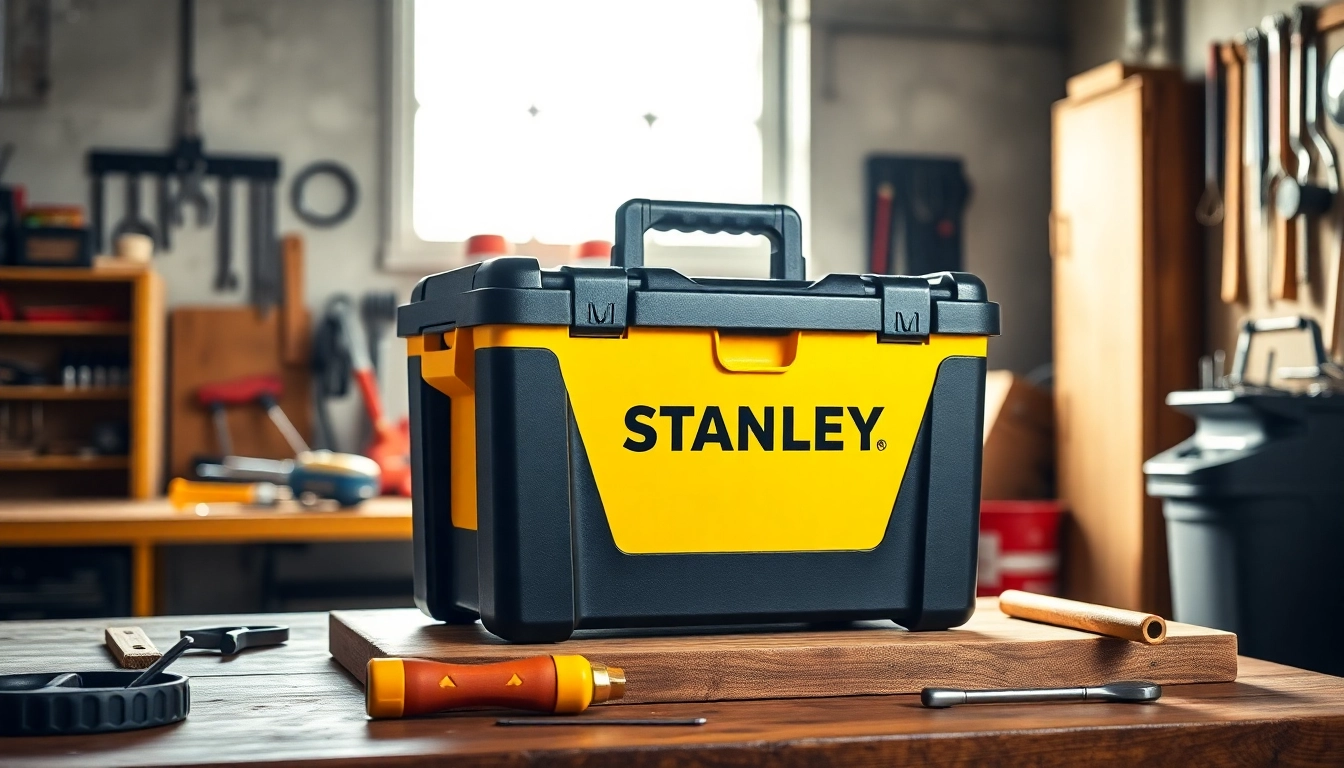
Organize efficiently with the Stanley stackable tool box, showcasing its robust design and tool accessibility.

1. Understanding Stanley Stackable Tool Box

1.1 Features of Stanley Stackable Tool Box

The Stanley stackable tool box stands out as a flagship product in tool storage solutions, combining robust construction with innovative design. An array of features makes it particularly appealing to professionals and DIY enthusiasts alike. Key features include durable materials, such as high-quality plastic or metal enclosures which ensure longevity, heightened resistance to wear and tear, and effective protection against moisture. Additionally, the stackable design allows users to stack multiple units securely, optimizing storage space, especially in smaller workspaces or vehicles.

Moreover, many models incorporate ergonomics into their design, providing comfortable handles and a balanced structure for easy lifting and transportation. The compartments within the Stanley stackable tool box can be customized or adjusted, offering flexibility for various tool sizes and types, which is perfect for organizing everything from hand tools to power equipment.

1.2 Benefits of Using Stanley Stackable Tool Box

Investing in a Stanley stackable tool box brings numerous benefits. Firstly, its design promotes easy access to tools, which can enhance productivity. When tools are organized efficiently and visually accessible, workers can spend less time searching for items and more time focusing on their tasks. This system boosts efficiency, particularly for professionals working on multiple projects or for DIY enthusiasts tackling extensive renovations.

Secondly, the modular nature of the Stanley stackable tool box encourages better organization. With divided sections, users can categorize tools and supplies effectively. This organization not only helps in quickly identifying the right tool for the job but also prolongs the life of the tools, as they are less likely to get damaged when stored properly.

Lastly, the durability associated with the Stanley stackable tool box can lead to long-term cost savings. Due to its high-quality construction, users may find they need to replace their tool storage solutions less frequently, making it a wise investment for both novices and seasoned professionals.

1.3 How Stanley Stackable Tool Box Enhances Workspace

A well-organized workspace is crucial for success in any craft or profession, and the Stanley stackable tool box plays an essential role in achieving this. By providing a clear system for tool storage, it helps to unclutter work areas, which is vital for ensuring safety and efficiency. When tools are neatly stored away, there is less chance of accidents caused by tripping over misplaced items. In addition, an orderly environment can have a positive psychological effect, promoting focus and inspiration.

Additionally, the stackable feature effectively maximizes vertical space in workshops or job sites, allowing more floor space to remain clear for movement. Users can easily transport these boxes to different locations, maintaining efficiency whether working at home or on a job site. This adaptability also caters to varying work scenarios, such as working inside tight spaces or moving between outdoor projects. Thus, the Stanley stackable tool box is not just a storage solution; it is a fundamental tool for enhancing overall workspace effectiveness.

2. Choosing the Right Stanley Stackable Tool Box

2.1 Factors to Consider When Selecting Stanley Stackable Tool Box

Selecting the correct Stanley stackable tool box involves considering several key factors. First and foremost is the size of the box. Users need to assess how many tools and materials they plan to store within the box and select a size that offers sufficient space without being unwieldy or cumbersome. A thorough inventory of tools will help make an informed decision on what size is most suitable.

Another factor is the weight capacity and build quality. Understanding the maximum load a box can handle is crucial, especially for heavy tools. Users should compare different models to ensure they select a box with an appropriate weight class for their needs.

Other factors include portability features, such as wheels for ease of movement, and additional compartments within the box for better organization. Depending on the intended use, specialized features like waterproofing and dust resistance may be necessary for those working outdoors or in less-than-ideal conditions.

2.2 Compare Different Sizes of Stanley Stackable Tool Box

When comparing different sizes of the Stanley stackable tool box, it is essential to match the box size with specific needs. Smaller models are ideal for storing lightweight hand tools and can comfortably fit in compact spaces, which is beneficial for hobbies or home repair projects. These models often feature multiple small compartments, providing effective organization for little pieces, such as screws, bolts, and drill bits.

Larger units, on the other hand, provide ample space for storing power tools, larger hand tools, and even accessories such as extension cords or tool batteries. This size is generally recommended for professionals or serious DIY enthusiasts who require a comprehensive storage solution for a wide array of tools.

Moreover, understanding the stacking capability of each size is crucial, as different models might have varying heights or compatibility with other Stanley stackable products. Ensuring that you can stack the boxes without compromising stability is vital for maintaining an efficient workspace.

2.3 User Reviews on Stanley Stackable Tool Box Options

User reviews provide valuable insight into the performance and practicality of the various Stanley stackable tool box options available in the market. Many users praise the durability and robust construction, particularly noting that their boxes have withstood harsh working conditions without significant wear. This feedback highlights the reliability of the Stanley brand, reinforcing its reputation as a quality tool storage solution.

Additionally, users frequently highlight the convenience offered by the stackable feature, especially in smaller work areas. Many have remarked about how easy it is to transport multiple boxes at once, thanks to well-designed handles that facilitate ease of carrying. Customers also underscore the importance of versatile compartment designs, which allow for personalized organization, making tool retrieval straightforward and efficient.

However, some feedback suggests room for improvements, particularly regarding the price point. Although many users agree that the quality justifies the investment, there are mentions of competition from less expensive brands. Overall, the consensus is that the Stanley stackable tool box provides excellent value for both casual users and professionals.

3. Organizing Tools with Stanley Stackable Tool Box

3.1 Strategies for Effective Tool Organization in Stanley Stackable Tool Box

To maximize the benefits of the Stanley stackable tool box, effective organization strategies should be implemented. Firstly, grouping tools by type or function can streamline tool retrieval. For example, placing all cutting tools together and grouping screwdrivers in another compartment allows for easy access during use without rummaging through various boxes.

Additionally, labeling compartments can enhance organization. When compartments are labeled clearly, users can quickly identify where specific tools are stored, which is invaluable during busy work periods. This method can be particularly useful in larger setups where multiple users might be retrieving tools simultaneously.

Moreover, using foam inserts within the box can protect tools while keeping them secure and organized. Custom-cut foam can hold tools in place, preventing movement and damage during transit. The use of removable dividers can also aid in reorganizing compartments and adjusting the layout as needed, accommodating different tools or projects over time.

3.2 Tips for Maintaining Your Stanley Stackable Tool Box

Maintaining your Stanley stackable tool box is critical to ensuring its longevity and functionality. Regularly cleaning the box is essential, as dirt and debris can accumulate within compartments and lead to faster wear or damage to tools. Cleaning can be easily done with a damp cloth and mild soap, avoiding harsh chemicals that may deteriorate the plastic over time.

Additionally, inspecting the hinges, handles, and any moving parts for wear and tear is crucial for safety and usability. Replacing worn components as needed ensures continued ease of use and can prevent further damage. It is also wise to keep the stackable tool box dry. Moisture can lead to rusting of metal tools and mold or mildew in the case of enclosed compartments.

Lastly, it is advisable to store the tool box in a designated spot when not in use, maintaining its organization and preventing unnecessary strain caused by stacking and restacking often. This will help prolong its aesthetics and functionality while keeping tools ready for the next use.

3.3 Examples of Optimized Stanley Stackable Tool Box Configurations

Creating an optimized configuration for the Stanley stackable tool box can enhance productivity significantly. One example could be a “toolbox for the tradesman,” where one box contains all essential hand tools—hammers, wrenches, screwdrivers, and pliers—while another box is organized for power tools, including drills and saws, complete with their respective accessories and battery packs. This organization allows for quick setup on job sites while ensuring easy access to commonly used tools.

Another notable configuration could be tailored for home improvement projects. This setup might use smaller boxes within the stack to contain specific items such as plumbing supplies, electrical tools, and paint supplies. This organizational method makes it possible to transport all required materials without needing to carry multiple traditional tool bags or storage cases.

Finally, a modular configuration that uses dividers for more specialized tools, such as specialized carpentry or automotive tools, allows for even more precise organization, reducing workspace mess and streamlining project setups. Custom solutions personalized to user needs ultimately create a more engaging and efficient workspace.

4. Advanced Uses of Stanley Stackable Tool Box

4.1 Customization of Stanley Stackable Tool Box

The Stanley stackable tool box offers ample opportunities for customization, which is crucial for users who require a more personalized approach to their tool management. For instance, users can invest in additional compartment organizers or dividers, allowing them to maximize space efficiency and tailor the interior layout based on specific tools.

For those who prioritize aesthetics, assorted colors or accessories can help distinguish between multiple stackable boxes, enabling quick identification while still maintaining a professional appearance. Stickers or label makers can also be employed to denote ownership or specific project requirements, reinforcing organization.

Additionally, advanced users may choose to integrate tools directly into the design of their Stanley stackable tool boxes. For instance, incorporating magnetic strips inside boxes for holding metal tools or adding small compartments that fit each tool’s shape can ensure that everything remains in its proper place during transportation.

4.2 Innovations Related to Stanley Stackable Tool Box

Innovation plays a significant role in the evolution of the Stanley stackable tool box, reflecting changing user needs and technological advancements. Recent development trends include incorporating smart technology. For example, some designs now feature built-in Bluetooth capabilities that can alert users if a box has been left behind, providing peace of mind during on-site work.

Further innovations focus on eco-friendly materials, with Stanley increasingly utilizing recyclable plastics without sacrificing durability. The introduction of a modular system lets users configure the boxes according to their specific projects, improving functionality and ergonomics.

Enhancements related to security have also become prevalent, with some models featuring locking systems that provide additional security for valuable tools during transit or storage. Such innovations ensure that the Stanley stackable tool box remains relevant in an ever-evolving market while continually meeting the demands of its customers.

4.3 Case Studies: Best Practices with Stanley Stackable Tool Box

Numerous case studies highlight best practices in using the Stanley stackable tool box effectively. One example includes a contractor who utilized multiple stackable containers for distinct types of jobs—one for carpentry, one for electrical work, and another for plumbing. This strategy not only improved organizational efficiency but also saved time by allowing easy access to the required tools directly related to the job being completed.

Another instance showcases an artist who repurposed a Stanley stackable tool box as a mobile studio. They organized paints, brushes, and other art supplies, making it easy to transport everything in one trip. This flexibility allowed them to work in various locations, ultimately expanding their creative opportunities.

These examples showcase the Stanley stackable tool box’s versatility and adaptability across various professions and hobbies, emphasizing its value as an investment in effective tool storage and organization.

5. FAQs About Stanley Stackable Tool Box

5.1 What can I store in a Stanley stackable tool box?

A Stanley stackable tool box is designed to store a wide array of tools and accessories including hand tools, power tools, screws, nails, and even art supplies. The versatile compartments can accommodate items of various sizes, ensuring everything necessary for a project is easily accessible.

5.2 How do I clean and maintain my Stanley stackable tool box?

Cleaning your Stanley stackable tool box should be done regularly using a damp cloth with mild soap. Avoid abrasive cleaners which may damage the exterior. In addition to cleaning, regularly inspect for wear, and check hinges and clasps for functionality to ensure that the box remains safe and effective.

5.3 Are there different models of Stanley stackable tool box?

Yes, Stanley offers a variety of models in its stackable tool box range. Each model varies in size, compartment configuration, and additional features, allowing users to select the box that best fits their organizational needs and space requirements.

5.4 Can I stack multiple Stanley stackable tool boxes?

Absolutely! The design of Stanley stackable tool boxes allows users to stack multiple boxes securely on top of each other, optimizing workspace and minimizing clutter. This feature is incredibly beneficial for maximizing vertical storage solutions.

5.5 Where can I purchase a Stanley stackable tool box?

Stanley stackable tool boxes are widely available in retail and online stores. They can be found in specialized tool supply shops or larger retail stores, as well as on platforms like Mister Worker, ensuring you can easily find the perfect model for your needs.


Posted on

Die Bedeutung von Heizkörper für effiziente Wärmeverteilung im Wohnraum

Heizkörper in modernem Wohnraum, elegant und funktional gestaltet.

Einführung in Heizkörper

Heizkörper sind zentrale Elemente in jedem Heizsystem und spielen eine entscheidende Rolle bei der Wärmeverteilung in Wohnräumen. Als unverzichtbare Teile von Heizungsanlagen sorgen Heizkörper dafür, dass wir zu jeder Jahreszeit eine angenehme Raumtemperatur genießen können. In diesem Artikel werden wir uns eingehend mit Heizkörpern beschäftigen und deren Funktionen, Arten sowie Auswahlkriterien untersuchen. Für eine umfassende Kollektion von heizkörper stehen Ihnen verschiedene Modelle und Designs zur Verfügung.

Was sind Heizkörper?

Heizkörper sind Geräte, die zur Wärmeübertragung in Räumen eingesetzt werden. Sie sind Teil eines Heizsystems, das Wasser oder ein anderes Heizmedium zirkulieren lässt, um Wärme abzugeben. Heizkörper können aus verschiedenen Materialien gefertigt sein, darunter Stahl, Aluminium oder Gusseisen, und unterscheiden sich in ihrer Form und Bauweise von klassischen Radiatoren bis hin zu modernen Flächenheizungen.

Wie funktionieren Heizkörper?

Heizkörper funktionieren nach dem Prinzip der Wärmeübertragung. Wenn heißes Wasser durch den Heizkörper strömt, gibt dieser die Wärme an die Umgebungsluft ab. Durch Konvektion wird die aufgewärmte Luft im Raum verteilt, sodass eine gleichmäßige Temperatur entsteht. Einige Heizkörper verwenden zusätzlich Infrarotstrahlung, um die Wände und Möbel direkt zu erwärmen, was die Effizienz erhöht und den Heizbedarf reduziert.

Arten von Heizkörpern

Es gibt verschiedene Arten von Heizkörpern, die sich in ihrer Bauweise, ihrem Material und ihrer Heizrate unterscheiden. Zu den gängigsten Typen gehören:

  • Konvektoren: Diese Heizkörper nutzen die Konvektionswärme und sind ideal für schnelle Erwärmung.
  • Flächenheizungen: Diese Heizkörper sind in Fußboden-, Wand- oder Deckenheizungen integriert und sorgen für eine besonders effiziente Wärmeverteilung.
  • Vertikale Heizkörper: Sie sind platzsparend und elegant und eignen sich besonders für kleinere Räume.

Die Auswahl des richtigen Heizkörpers

Die Auswahl des passenden Heizkörpers ist entscheidend für die Energieeffizienz und die Gestaltung des Raumes. Hier sind einige Faktoren, die bei der Auswahl berücksichtigt werden sollten.

Materialien und deren Vorteile

Heizkörper können aus unterschiedlichen Materialien gefertigt sein, von denen jedes seine eigenen Eigenschaften hat. Beispielsweise zeichnen sich Aluminiumheizkörper durch ihre schnelle Wärmeleitung und ihr geringes Gewicht aus, während Gusseisen über ausgezeichnete Wärmespeicherfähigkeiten verfügt. Stahl hingegen ist robust und günstig in der Herstellung. Bei der Auswahl sollte die Wärmeleitfähigkeit und der gewünschte Stil berücksichtigt werden.

Design und Ästhetik berücksichtigen

Heizkörper sind nicht nur funktionale Elemente, sondern können auch ein dekoratives Highlight in einem Raum sein. Es gibt zahlreiche Designs, von klassischen Modellen bis hin zu modernen, minimalistischen Heizkörpern. Die Wahl eines Heizkörpers sollte immer auch die Innenarchitektur des Hauses reflektieren.

Optimaler Standort für Heizkörper

Der Standort eines Heizkörpers beeinflusst entscheidend die Wärmeverteilung im Raum. Heizkörper sollten idealerweise unter Fenstern oder in Ecken platziert werden, da dort kalte Luft eindringen kann. Dadurch wird die aufsteigende, warme Luft effizienter im Raum verteilt.

Installation von Heizkörpern

Die Installation eines Heizkörpers ist ein wichtiger Schritt, der sorgfältig geplant werden sollte. Eine fehlerhafte Installation kann die Effizienz der Heizung erheblich beeinträchtigen.

Vorbereitung und Planung

Vor der Installation sollten Sie die Größe und das Material des Heizkörpers auswählen. Außerdem ist es wichtig, den richtigen Platz im Raum zu bestimmen und sicherzustellen, dass alle notwendigen Materialien bereitstehen, einschließlich Rohren und passenden Verbindungselementen.

Schritte zur Installation

Die Installation eines Heizkörpers umfasst mehrere Schritte:

  1. Abschalten der Heizungsanlage.
  2. Alten Heizkörper abmontieren, falls erforderlich.
  3. Neue Befestigungen anbringen und den Heizkörper befestigen.
  4. Heizkörper mit den Rohren verbinden und auf Dichtheit prüfen.
  5. Heizungsanlage wieder einschalten und Heizkörper entlüften.

Häufige Fehler vermeiden

Bei der Installation können viele Fehler passieren, darunter ungenügende Dichtungen, falsche Platzierung und unzureichende Planung. Es ist ratsam, die Anweisungen des Herstellers genau zu befolgen und im Zweifelsfall einen Fachmann zu konsultieren.

Wartung und Pflege von Heizkörpern

Die regelmäßige Wartung von Heizkörpern sorgt für eine hohe Effizienz und verlängert die Lebensdauer des Heizsystems. Hier sind einige wichtige Punkte, die dabei zu beachten sind.

Regelmäßige Reinigung und Inspektion

Heizkörper sollten regelmäßig gereinigt werden, um Staubansammlungen zu vermeiden, die die Wärmeübertragung beeinträchtigen können. Eine Sichtprüfung auf Lecks oder Rost ist ebenfalls wichtig. Optimal ist eine jährliche Inspektion durch einen Fachmann.

Probleme frühzeitig erkennen

Typische Probleme wie Geräuschentwicklung, unzureichende Wärmeabgabe oder erkennbare Leckagen sollten frühzeitig identifiziert werden. Ein frühzeitiges Handeln kann teure Reparaturen vermeiden und die Heizkosten senken.

Tipps zur Energieeinsparung

Um Energie zu sparen, können Sie eine optimale Raumtemperatur von etwa 20 Grad Celsius anstreben. Das regelmäßige Entlüften der Heizkörper und die Nutzung eines Heizungsreglers tragen ebenfalls zur Reduzierung der Energiekosten bei.

Die Zukunft der Heizkörpertechnologie

Die Heizkörpertechnologie entwickelt sich ständig weiter. Hier sind einige innovative Trends und Lösungen, die die Zukunft der Heizkörper prägen.

Intelligente Heizkörperlösungen

Moderne Heizkörper können oft in Smart-Home-Systeme integriert werden. Durch Live-Daten zur Raumtemperatur können sie die Heizleistung automatisch anpassen und so effizienter arbeiten.

Nachhaltigkeit im Heizungsbereich

Mit der zunehmenden Bedeutung von Nachhaltigkeit liegt der Fokus auf energiesparenden Heizlösungen und Materialien, die eine geringere Umweltauswirkung haben. Technologien wie Wärmepumpen und Solarheizungen gewinnen an Bedeutung.

Innovationen und Trends

Die Branche sieht neue Entwicklungen wie flächenintegrierte Heizsysteme oder Heizkörper mit integrierten Smart-Technologien. Diese Innovationen verbessern die Benutzerfreundlichkeit und Energieeffizienz in modernen Haushalten erheblich.

Häufig gestellte Fragen zu Heizkörpern

Wie oft sollten Heizkörper gewartet werden?

Heizkörper sollten mindestens einmal jährlich gewartet werden, um ihre Effizienz zu gewährleisten und Probleme frühzeitig zu erkennen.

Kann ich einen Heizkörper selbst installieren?

Ja, wenn Sie handwerklich begabt sind, können Sie Heizkörper selbst installieren. Es wird jedoch empfohlen, einen Fachmann zu Rate zu ziehen.

Wie kann ich sicherstellen, dass mein Heizkörper effizient ist?

Regelmäßige Reinigung, Entlüften und die Überprüfung auf Dichtheit sind entscheidend, um die Effizienz Ihres Heizkörpers zu sichern.

Was tun bei lauten Heizkörpern?

Laute Heizkörper sind oft ein Zeichen von Luftansammlungen. Entlüften kann das Problem lösen. Bei anhaltenden Geräuschen sollte ein Fachmann konsultiert werden.

Welche Heizkörper sind umweltfreundlicher?

Aluminiumheizkörper gelten oft als umweltfreundlicher, da sie weniger Energie benötigen, um warm zu werden, und somit Energie sparen helfen.

Posted on

Maximize Your Profits with Smart Ecommerce Strategies

Understanding the Ecommerce Landscape

The ecommerce landscape has undergone significant transformations since its inception, reshaping how consumers and businesses interact. With the rise of digital technology, online shopping has become a fundamental component of the global economy, enabling convenience and accessibility like never before. Understanding this landscape is crucial for anyone looking to thrive in the world of online retail.

History and Evolution of Ecommerce

Ecommerce, or electronic commerce, traces its roots back to the 1960s, when businesses began using electronic data interchange (EDI) to share business documents with one another. The 1990s marked a significant turning point with the advent of the World Wide Web. In 1994, the first secure online purchase was made, paving the way for online shopping as we know it today. Early players like Amazon and eBay emerged, revolutionizing retail by providing consumers with unprecedented access to products and services.

Over the years, ecommerce has evolved in various forms, from B2C (business-to-consumer) to B2B (business-to-business) and C2C (consumer-to-consumer) models. The introduction of mobile commerce (m-commerce) further transformed the landscape, allowing consumers to shop on the go. Fast forward to today, and ecommerce accounts for over 20% of global retail sales, with projections indicating continued growth in the upcoming years.

Current Trends in Online Shopping

As the ecommerce sector continues to evolve, several notable trends are shaping the future of online shopping:

  • Omnichannel Shopping: Consumers expect a seamless experience across all platforms, whether online, in-store, or via mobile. Brands are integrating their physical and digital presence to meet these expectations.
  • Subscription Services: From meal kits to beauty products, subscription models are gaining popularity, offering convenience and personalized experiences.
  • Sustainable Shopping: Eco-conscious consumers are increasingly seeking brands that prioritize sustainability, prompting businesses to adopt eco-friendly practices.
  • Augmented Reality (AR): AR technology is enhancing the shopping experience by allowing customers to visualize products in their own space before making a purchase.
  • Social Commerce: Social media platforms are evolving into shopping hubs, allowing users to discover and purchase products directly through their feeds.

Types of Ecommerce Models

Understanding the various ecommerce models is essential for businesses to tailor their strategies effectively:

  • B2C (Business to Consumer): This model involves businesses selling directly to consumers. Examples include Amazon and Walmart.
  • B2B (Business to Business): In this model, businesses sell products or services to other businesses. Alibaba is a prime example of a B2B platform.
  • C2C (Consumer to Consumer): Platforms like eBay and Etsy facilitate transactions between consumers, often through a marketplace environment.
  • C2B (Consumer to Business): In this model, individuals sell products or services to businesses, exemplified by freelance platforms like Upwork.
  • B2G (Business to Government): Businesses provide goods or services to government entities. This model often involves contracts for services.

Building an Ecommerce Website

Creating a successful ecommerce website requires careful planning and execution. From choosing the right platform to ensuring a seamless user experience, each aspect plays a crucial role in the overall success of the online store.

Choosing the Right Ecommerce Platform

The choice of an ecommerce platform can significantly influence the success of your online store. Factors to consider include ease of use, scalability, payment options, and customer support. Popular platforms include:

  • Shopify: Known for its user-friendly interface and comprehensive features, Shopify is ideal for businesses of all sizes.
  • WooCommerce: A plugin for WordPress, WooCommerce is perfect for users familiar with the WordPress ecosystem and requires more customization.
  • Magento: Best suited for larger businesses with specific requirements, Magento offers advanced features and scalability.
  • BigCommerce: This platform is known for its robust features and is great for businesses looking to grow quickly.

To select the right platform, evaluate your business needs, budget, and technical expertise. Consider starting trials to understand which platform aligns best with your goals.

Essential Features for an Ecommerce Site

To create a competitive ecommerce website, the following features are essential:

  • User-Friendly Navigation: A well-organized site with intuitive navigation helps customers find products effortlessly.
  • Mobile Responsiveness: With a significant portion of shoppers using mobile devices, ensuring your site is mobile-friendly is crucial.
  • Secure Payment Gateways: Trust in security is paramount; offer multiple secure payment options, including credit cards, PayPal, and digital wallets.
  • Product Reviews and Ratings: Allowing customers to leave reviews fosters trust and helps potential buyers make informed decisions.
  • Search Functionality: Implementing a robust search function enables customers to quickly locate specific products.

Design Best Practices for User Experience

The design of your ecommerce website directly impacts user experience and conversion rates. Here are some best practices:

  • Consistent Branding: Maintain a cohesive look and feel throughout your site, using consistent colors, fonts, and images that reflect your brand identity.
  • High-Quality Images: Use high-resolution images and multiple angles for products, allowing customers to get a comprehensive view.
  • Clear Call-to-Actions (CTAs): Use prominent CTAs to guide users toward desired actions, such as “Add to Cart” or “Buy Now.”
  • Fast Load Times: Optimize your website for speed; slow-loading sites can frustrate users and lead to high bounce rates.
  • Accessible Design: Ensure your site is accessible to all users, including those with disabilities. Use alt text for images and consider color contrast.

Driving Traffic to Your Ecommerce Store

Attracting visitors to your ecommerce store is critical for generating sales. Employing a combination of strategies can significantly boost your site’s visibility and traffic.

SEO Strategies for Ecommerce Success

Search Engine Optimization (SEO) is essential for increasing organic traffic to your ecommerce site. Here are some effective strategies:

  • Keyword Research: Identify relevant keywords that potential customers are searching for. Use tools like Google Keyword Planner or SEMrush to find high-volume keywords.
  • On-Page Optimization: Optimize product pages with targeted keywords in titles, descriptions, and URL slugs. Ensure meta tags are compelling to improve click-through rates.
  • Quality Content: Create blog posts, guides, or videos that provide value to your audience. This can help position your brand as an authority and improve SEO.
  • Technical SEO: Ensure your site is crawlable by search engines. Implement a sitemap and use structured data to help search engines understand your content.
  • Backlink Building: Build relationships with relevant websites to acquire backlinks, which can improve your site’s authority and ranking.

Leveraging Social Media for Promotion

Social media platforms are powerful tools for driving traffic to your ecommerce store. Here’s how to leverage them effectively:

  • Engaging Content: Share high-quality images, videos, and user-generated content to engage your audience. Showcase your products in real-life scenarios.
  • Targeted Ads: Use social media advertising to reach specific demographics. Platforms like Facebook and Instagram allow detailed targeting based on interests and behaviors.
  • Influencer Marketing: Collaborate with influencers in your niche to tap into their audience. This can generate buzz and drive traffic to your site.
  • Social Proof: Share customer testimonials and reviews on your social media channels to build trust and encourage purchases.
  • Hashtags: Utilize relevant hashtags to increase the visibility of your posts and attract new followers.

Effective Paid Advertising Techniques

Paid advertising can deliver quick results in driving traffic to your ecommerce store. Here are some techniques to consider:

  • Pay-Per-Click (PPC): Use Google Ads to create targeted PPC campaigns that appear in search results. Focus on high-intent keywords to maximize ROI.
  • Retargeting Ads: Implement retargeting strategies to reach users who have visited your site but didn’t make a purchase. These ads can remind them of products they viewed.
  • Shopping Ads: Utilize Google Shopping Ads to showcase your products with images and prices directly in search results, making it easier for users to compare options.
  • Social Media Ads: Invest in paid ads on platforms like Facebook and Instagram to increase your reach. Experiment with different ad formats to see what resonates with your audience.
  • A/B Testing: Regularly test different ad creatives, headlines, and targeting options to optimize performance and improve conversion rates.

Converting Visitors into Customers

Driving traffic is just the first step; converting visitors into paying customers is where the real challenge lies. Implementing effective strategies can significantly enhance your conversion rates.

Importance of Product Descriptions and Images

High-quality product descriptions and images are vital for converting visitors into buyers. Here’s why:

  • Descriptive Language: Use clear, concise, and persuasive language in product descriptions. Highlight benefits, features, and specifications to inform potential buyers.
  • SEO-Friendly Descriptions: Incorporate relevant keywords naturally into product descriptions to improve search visibility.
  • High-Quality Images: Use multiple images from different angles and include zoom features. Consider adding videos to demonstrate product usage.
  • Customer Context: Provide context by showcasing products in use or in lifestyle settings, helping customers envision their purchase.
  • Size Guides and FAQs: Include size guides and frequently asked questions to address common concerns and reduce return rates.

Implementing Cart Abandonment Strategies

Cart abandonment is a common challenge in ecommerce, with the average abandonment rate hovering around 70%. Here are strategies to reduce cart abandonment:

  • Exit-Intent Popups: Use popups that appear when users are about to leave the site, offering discounts or incentives to complete their purchase.
  • Follow-Up Emails: Implement an email reminder system to reach out to customers who abandon their carts. Personalize these emails to encourage them to return.
  • Simplified Checkout Process: Streamline the checkout process by minimizing the number of steps and offering guest checkout options.
  • Transparent Costs: Clearly display shipping and tax costs upfront to prevent surprises at checkout.
  • Save Cart Feature: Allow customers to save their carts for later, making it easier for them to return and complete their purchase.

Building Trust with Customer Reviews and Testimonials

Establishing trust is crucial for converting visitors into customers. Customer reviews and testimonials play a significant role in building credibility:

  • Encourage Reviews: Prompt customers to leave reviews after their purchase. Consider offering incentives such as discounts on future purchases.
  • Display Reviews Prominently: Showcase customer reviews on product pages to provide social proof and help potential buyers make informed decisions.
  • Respond to Feedback: Engage with customers who leave reviews, whether positive or negative. This demonstrates that you value their opinions and are committed to customer satisfaction.
  • User-Generated Content: Encourage customers to share photos of their purchases on social media. Feature this content on your website to build community and trust.
  • Third-Party Review Platforms: Consider using platforms like Trustpilot or Google Reviews to add an extra layer of credibility to your site.

Advanced Ecommerce Strategies for Growth

Once your ecommerce store is up and running, implementing advanced strategies can help drive long-term growth and success. These strategies focus on data analytics, personalization, and market expansion.

Utilizing Data Analytics for Decision Making

Data analytics is a powerful tool for making informed business decisions. Here’s how to leverage analytics effectively:

  • Identify Key Metrics: Monitor key performance indicators (KPIs) such as conversion rates, average order value, and customer acquisition costs to gauge your store’s performance.
  • Customer Behavior Analysis: Use analytics tools like Google Analytics to understand customer behavior, such as which products are frequently viewed or added to carts.
  • Segmentation: Segment your audience based on demographics, purchase history, and behavior to tailor marketing strategies to specific groups.
  • Run A/B Tests: Experiment with different website elements, such as CTA buttons or product layouts, to determine what resonates best with your audience.
  • Predictive Analytics: Utilize predictive analytics to forecast trends and customer behavior, enabling proactive decision-making.

Personalization Techniques to Enhance Customer Experience

Personalization is key to enhancing customer experience and increasing sales. Here are techniques to consider:

  • Personalized Recommendations: Use algorithms to suggest products based on previous purchases or browsing behavior, creating a tailored shopping experience.
  • Dynamic Content: Implement dynamic content on your website that changes based on user behavior or preferences, making the experience more relevant.
  • Email Personalization: Personalize email marketing campaigns with recipient names and tailored product suggestions based on past purchases.
  • Customized Offers: Use customer data to create targeted promotions or discounts that resonate with individual shopping habits.
  • Loyalty Programs: Implement loyalty programs that reward customers for their purchases and engagement, encouraging repeat business.

Exploring International Markets for Expansion

Expanding into international markets offers significant growth potential for ecommerce businesses. Here are steps to successfully enter new markets:

  • Market Research: Conduct thorough market research to identify demand, competition, and cultural nuances in your target countries.
  • Local Payment Options: Offer local payment methods that are popular in the target market to enhance customer convenience.
  • Language and Localization: Localize your website content, product descriptions, and customer support to accommodate different languages and cultural preferences.
  • Shipping and Logistics: Establish reliable shipping partners to ensure timely delivery and consider using local warehouses to reduce shipping times.
  • Compliance and Regulations: Familiarize yourself with local laws and regulations regarding ecommerce, including taxes, customs, and data protection.