Posted on

Maximize Your Profits with Smart Ecommerce Strategies

Ecommerce & Shopping

Understanding the Ecommerce Landscape

The ecommerce landscape has undergone significant transformations since its inception, reshaping how consumers and businesses interact. With the rise of digital technology, online shopping has become a fundamental component of the global economy, enabling convenience and accessibility like never before. Understanding this landscape is crucial for anyone looking to thrive in the world of online retail.

History and Evolution of Ecommerce

Ecommerce, or electronic commerce, traces its roots back to the 1960s, when businesses began using electronic data interchange (EDI) to share business documents with one another. The 1990s marked a significant turning point with the advent of the World Wide Web. In 1994, the first secure online purchase was made, paving the way for online shopping as we know it today. Early players like Amazon and eBay emerged, revolutionizing retail by providing consumers with unprecedented access to products and services.

Over the years, ecommerce has evolved in various forms, from B2C (business-to-consumer) to B2B (business-to-business) and C2C (consumer-to-consumer) models. The introduction of mobile commerce (m-commerce) further transformed the landscape, allowing consumers to shop on the go. Fast forward to today, and ecommerce accounts for over 20% of global retail sales, with projections indicating continued growth in the upcoming years.

Current Trends in Online Shopping

As the ecommerce sector continues to evolve, several notable trends are shaping the future of online shopping:

  • Omnichannel Shopping: Consumers expect a seamless experience across all platforms, whether online, in-store, or via mobile. Brands are integrating their physical and digital presence to meet these expectations.
  • Subscription Services: From meal kits to beauty products, subscription models are gaining popularity, offering convenience and personalized experiences.
  • Sustainable Shopping: Eco-conscious consumers are increasingly seeking brands that prioritize sustainability, prompting businesses to adopt eco-friendly practices.
  • Augmented Reality (AR): AR technology is enhancing the shopping experience by allowing customers to visualize products in their own space before making a purchase.
  • Social Commerce: Social media platforms are evolving into shopping hubs, allowing users to discover and purchase products directly through their feeds.

Types of Ecommerce Models

Understanding the various ecommerce models is essential for businesses to tailor their strategies effectively:

  • B2C (Business to Consumer): This model involves businesses selling directly to consumers. Examples include Amazon and Walmart.
  • B2B (Business to Business): In this model, businesses sell products or services to other businesses. Alibaba is a prime example of a B2B platform.
  • C2C (Consumer to Consumer): Platforms like eBay and Etsy facilitate transactions between consumers, often through a marketplace environment.
  • C2B (Consumer to Business): In this model, individuals sell products or services to businesses, exemplified by freelance platforms like Upwork.
  • B2G (Business to Government): Businesses provide goods or services to government entities. This model often involves contracts for services.

Building an Ecommerce Website

Creating a successful ecommerce website requires careful planning and execution. From choosing the right platform to ensuring a seamless user experience, each aspect plays a crucial role in the overall success of the online store.

Choosing the Right Ecommerce Platform

The choice of an ecommerce platform can significantly influence the success of your online store. Factors to consider include ease of use, scalability, payment options, and customer support. Popular platforms include:

  • Shopify: Known for its user-friendly interface and comprehensive features, Shopify is ideal for businesses of all sizes.
  • WooCommerce: A plugin for WordPress, WooCommerce is perfect for users familiar with the WordPress ecosystem and requires more customization.
  • Magento: Best suited for larger businesses with specific requirements, Magento offers advanced features and scalability.
  • BigCommerce: This platform is known for its robust features and is great for businesses looking to grow quickly.

To select the right platform, evaluate your business needs, budget, and technical expertise. Consider starting trials to understand which platform aligns best with your goals.

Essential Features for an Ecommerce Site

To create a competitive ecommerce website, the following features are essential:

  • User-Friendly Navigation: A well-organized site with intuitive navigation helps customers find products effortlessly.
  • Mobile Responsiveness: With a significant portion of shoppers using mobile devices, ensuring your site is mobile-friendly is crucial.
  • Secure Payment Gateways: Trust in security is paramount; offer multiple secure payment options, including credit cards, PayPal, and digital wallets.
  • Product Reviews and Ratings: Allowing customers to leave reviews fosters trust and helps potential buyers make informed decisions.
  • Search Functionality: Implementing a robust search function enables customers to quickly locate specific products.

Design Best Practices for User Experience

The design of your ecommerce website directly impacts user experience and conversion rates. Here are some best practices:

  • Consistent Branding: Maintain a cohesive look and feel throughout your site, using consistent colors, fonts, and images that reflect your brand identity.
  • High-Quality Images: Use high-resolution images and multiple angles for products, allowing customers to get a comprehensive view.
  • Clear Call-to-Actions (CTAs): Use prominent CTAs to guide users toward desired actions, such as “Add to Cart” or “Buy Now.”
  • Fast Load Times: Optimize your website for speed; slow-loading sites can frustrate users and lead to high bounce rates.
  • Accessible Design: Ensure your site is accessible to all users, including those with disabilities. Use alt text for images and consider color contrast.

Driving Traffic to Your Ecommerce Store

Attracting visitors to your ecommerce store is critical for generating sales. Employing a combination of strategies can significantly boost your site’s visibility and traffic.

SEO Strategies for Ecommerce Success

Search Engine Optimization (SEO) is essential for increasing organic traffic to your ecommerce site. Here are some effective strategies:

  • Keyword Research: Identify relevant keywords that potential customers are searching for. Use tools like Google Keyword Planner or SEMrush to find high-volume keywords.
  • On-Page Optimization: Optimize product pages with targeted keywords in titles, descriptions, and URL slugs. Ensure meta tags are compelling to improve click-through rates.
  • Quality Content: Create blog posts, guides, or videos that provide value to your audience. This can help position your brand as an authority and improve SEO.
  • Technical SEO: Ensure your site is crawlable by search engines. Implement a sitemap and use structured data to help search engines understand your content.
  • Backlink Building: Build relationships with relevant websites to acquire backlinks, which can improve your site’s authority and ranking.

Leveraging Social Media for Promotion

Social media platforms are powerful tools for driving traffic to your ecommerce store. Here’s how to leverage them effectively:

  • Engaging Content: Share high-quality images, videos, and user-generated content to engage your audience. Showcase your products in real-life scenarios.
  • Targeted Ads: Use social media advertising to reach specific demographics. Platforms like Facebook and Instagram allow detailed targeting based on interests and behaviors.
  • Influencer Marketing: Collaborate with influencers in your niche to tap into their audience. This can generate buzz and drive traffic to your site.
  • Social Proof: Share customer testimonials and reviews on your social media channels to build trust and encourage purchases.
  • Hashtags: Utilize relevant hashtags to increase the visibility of your posts and attract new followers.

Effective Paid Advertising Techniques

Paid advertising can deliver quick results in driving traffic to your ecommerce store. Here are some techniques to consider:

  • Pay-Per-Click (PPC): Use Google Ads to create targeted PPC campaigns that appear in search results. Focus on high-intent keywords to maximize ROI.
  • Retargeting Ads: Implement retargeting strategies to reach users who have visited your site but didn’t make a purchase. These ads can remind them of products they viewed.
  • Shopping Ads: Utilize Google Shopping Ads to showcase your products with images and prices directly in search results, making it easier for users to compare options.
  • Social Media Ads: Invest in paid ads on platforms like Facebook and Instagram to increase your reach. Experiment with different ad formats to see what resonates with your audience.
  • A/B Testing: Regularly test different ad creatives, headlines, and targeting options to optimize performance and improve conversion rates.

Converting Visitors into Customers

Driving traffic is just the first step; converting visitors into paying customers is where the real challenge lies. Implementing effective strategies can significantly enhance your conversion rates.

Importance of Product Descriptions and Images

High-quality product descriptions and images are vital for converting visitors into buyers. Here’s why:

  • Descriptive Language: Use clear, concise, and persuasive language in product descriptions. Highlight benefits, features, and specifications to inform potential buyers.
  • SEO-Friendly Descriptions: Incorporate relevant keywords naturally into product descriptions to improve search visibility.
  • High-Quality Images: Use multiple images from different angles and include zoom features. Consider adding videos to demonstrate product usage.
  • Customer Context: Provide context by showcasing products in use or in lifestyle settings, helping customers envision their purchase.
  • Size Guides and FAQs: Include size guides and frequently asked questions to address common concerns and reduce return rates.

Implementing Cart Abandonment Strategies

Cart abandonment is a common challenge in ecommerce, with the average abandonment rate hovering around 70%. Here are strategies to reduce cart abandonment:

  • Exit-Intent Popups: Use popups that appear when users are about to leave the site, offering discounts or incentives to complete their purchase.
  • Follow-Up Emails: Implement an email reminder system to reach out to customers who abandon their carts. Personalize these emails to encourage them to return.
  • Simplified Checkout Process: Streamline the checkout process by minimizing the number of steps and offering guest checkout options.
  • Transparent Costs: Clearly display shipping and tax costs upfront to prevent surprises at checkout.
  • Save Cart Feature: Allow customers to save their carts for later, making it easier for them to return and complete their purchase.

Building Trust with Customer Reviews and Testimonials

Establishing trust is crucial for converting visitors into customers. Customer reviews and testimonials play a significant role in building credibility:

  • Encourage Reviews: Prompt customers to leave reviews after their purchase. Consider offering incentives such as discounts on future purchases.
  • Display Reviews Prominently: Showcase customer reviews on product pages to provide social proof and help potential buyers make informed decisions.
  • Respond to Feedback: Engage with customers who leave reviews, whether positive or negative. This demonstrates that you value their opinions and are committed to customer satisfaction.
  • User-Generated Content: Encourage customers to share photos of their purchases on social media. Feature this content on your website to build community and trust.
  • Third-Party Review Platforms: Consider using platforms like Trustpilot or Google Reviews to add an extra layer of credibility to your site.

Advanced Ecommerce Strategies for Growth

Once your ecommerce store is up and running, implementing advanced strategies can help drive long-term growth and success. These strategies focus on data analytics, personalization, and market expansion.

Utilizing Data Analytics for Decision Making

Data analytics is a powerful tool for making informed business decisions. Here’s how to leverage analytics effectively:

  • Identify Key Metrics: Monitor key performance indicators (KPIs) such as conversion rates, average order value, and customer acquisition costs to gauge your store’s performance.
  • Customer Behavior Analysis: Use analytics tools like Google Analytics to understand customer behavior, such as which products are frequently viewed or added to carts.
  • Segmentation: Segment your audience based on demographics, purchase history, and behavior to tailor marketing strategies to specific groups.
  • Run A/B Tests: Experiment with different website elements, such as CTA buttons or product layouts, to determine what resonates best with your audience.
  • Predictive Analytics: Utilize predictive analytics to forecast trends and customer behavior, enabling proactive decision-making.

Personalization Techniques to Enhance Customer Experience

Personalization is key to enhancing customer experience and increasing sales. Here are techniques to consider:

  • Personalized Recommendations: Use algorithms to suggest products based on previous purchases or browsing behavior, creating a tailored shopping experience.
  • Dynamic Content: Implement dynamic content on your website that changes based on user behavior or preferences, making the experience more relevant.
  • Email Personalization: Personalize email marketing campaigns with recipient names and tailored product suggestions based on past purchases.
  • Customized Offers: Use customer data to create targeted promotions or discounts that resonate with individual shopping habits.
  • Loyalty Programs: Implement loyalty programs that reward customers for their purchases and engagement, encouraging repeat business.

Exploring International Markets for Expansion

Expanding into international markets offers significant growth potential for ecommerce businesses. Here are steps to successfully enter new markets:

  • Market Research: Conduct thorough market research to identify demand, competition, and cultural nuances in your target countries.
  • Local Payment Options: Offer local payment methods that are popular in the target market to enhance customer convenience.
  • Language and Localization: Localize your website content, product descriptions, and customer support to accommodate different languages and cultural preferences.
  • Shipping and Logistics: Establish reliable shipping partners to ensure timely delivery and consider using local warehouses to reduce shipping times.
  • Compliance and Regulations: Familiarize yourself with local laws and regulations regarding ecommerce, including taxes, customs, and data protection.
Posted on

Top Strategies for Boosting Your Ecommerce Sales Today

Ecommerce & Shopping

Understanding the Ecommerce Landscape

The ecommerce landscape has evolved dramatically over the past two decades, transforming the way consumers shop and businesses operate. As digital technology continues to advance, understanding the intricacies of ecommerce becomes essential for anyone looking to thrive in this sector.

Definition and Types of Ecommerce Models

Ecommerce, short for electronic commerce, refers to the buying and selling of goods or services using the internet. This model has largely replaced traditional retail methods and encompasses various forms of transactions. The primary types of ecommerce models include:

  • B2C (Business to Consumer): This is the most common model, where businesses sell directly to consumers. Amazon and Walmart are prime examples.
  • B2B (Business to Business): In this model, transactions occur between businesses. For instance, Alibaba facilitates wholesale transactions between manufacturers and retailers.
  • C2C (Consumer to Consumer): Platforms like eBay and Etsy allow consumers to sell directly to each other, often through auction or marketplace models.
  • C2B (Consumer to Business): This model sees consumers offering products or services to businesses, exemplified by sites like Upwork, where freelancers connect with companies.
  • D2C (Direct to Consumer): Brands sell directly to customers without intermediaries, as seen with companies like Warby Parker and Casper.

Key Trends Shaping the Ecommerce Industry

Several trends are currently shaping the ecommerce landscape, driving innovation and altering consumer behavior. These include:

  • Mobile Commerce: With the increasing use of smartphones, mobile commerce has surged. In 2023, mobile commerce accounted for over 50% of all ecommerce sales globally.
  • Subscription Services: Many consumers prefer subscription models for convenience, leading to the rise of services like Netflix and Dollar Shave Club.
  • Social Commerce: Platforms like Instagram and Facebook are integrating shopping features, allowing users to purchase directly through social media.
  • Sustainability: Consumers are becoming more environmentally conscious, prompting ecommerce brands to adopt sustainable practices.
  • Augmented Reality (AR): AR technology enhances online shopping experiences by allowing customers to visualize products in their environment before purchase.

The Role of Technology in Ecommerce Growth

Technology plays a pivotal role in the success of ecommerce businesses. Innovations such as artificial intelligence (AI), machine learning, and big data analytics are revolutionizing the way companies understand and interact with customers. For example:

  • AI-Powered Chatbots: These tools provide 24/7 customer service, answering queries and guiding users through the purchasing process.
  • Personalization Engines: By analyzing customer data, ecommerce platforms can offer tailored recommendations, significantly boosting conversion rates.
  • Blockchain Technology: Enhancing security and transparency in transactions, blockchain can help combat fraud in ecommerce.
  • Automated Inventory Management: Technology helps businesses manage stock levels in real time, reducing overhead costs and improving efficiency.

Building an Effective Ecommerce Website

Creating a successful ecommerce website requires careful planning and execution. A well-designed site is crucial for attracting and retaining customers, ensuring that the shopping experience is smooth and enjoyable.

Choosing the Right Ecommerce Platform

Selecting the right ecommerce platform is foundational to your online business. Consider factors such as scalability, ease of use, and the specific features you need. Popular platforms include:

  • Shopify: Ideal for beginners, Shopify offers a user-friendly interface and a wealth of customizable templates.
  • WooCommerce: A plugin for WordPress, it’s perfect for those familiar with the platform and looking for flexibility.
  • Magento: Best suited for larger businesses requiring advanced customization and scalability.
  • BigCommerce: This platform supports high-volume sales and is known for its built-in features and SEO capabilities.

When choosing a platform, consider your budget, technical skills, and future growth plans. Conduct thorough research, and if possible, take advantage of free trials to test features before committing.

Essential Features for User-Friendly Design

An effective ecommerce website should prioritize user experience. Key features to include are:

  • Responsive Design: Ensure your site is mobile-friendly, as a significant portion of users shop on their smartphones.
  • Fast Load Times: Pages should load quickly to reduce bounce rates. Aim for a load time of under three seconds.
  • Intuitive Navigation: Organize products into clear categories, allowing users to find what they need easily.
  • Comprehensive Search Functionality: Implement a robust search feature that includes filters and suggestions to enhance user experience.
  • Secure Payment Options: Offer multiple secure payment methods (credit cards, PayPal, etc.) to cater to diverse customer preferences.

Optimizing Product Pages for Conversions

Product pages are crucial for converting visitors into customers. To optimize these pages, consider the following elements:

  • High-Quality Images: Use multiple images from various angles and consider incorporating 360-degree views.
  • Compelling Product Descriptions: Write detailed descriptions highlighting features, benefits, and usage tips to engage customers.
  • Customer Reviews and Testimonials: Provide social proof by displaying reviews, which can significantly influence purchasing decisions.
  • Clear Call-to-Action (CTA): Use prominent and persuasive CTAs such as “Add to Cart” or “Buy Now” to guide users toward making a purchase.
  • Stock Availability: Display real-time stock information to create urgency and encourage purchases.

Marketing Strategies for Ecommerce Success

Leveraging SEO for Organic Traffic

Search Engine Optimization (SEO) is vital for increasing organic traffic to your ecommerce website. To optimize your site for search engines:

  • Keyword Research: Use tools like Google Keyword Planner and SEMrush to identify relevant keywords that potential customers are searching for.
  • On-Page SEO: Optimize product titles, descriptions, and images with targeted keywords, ensuring to maintain a natural flow in the content.
  • Technical SEO: Ensure your site is crawlable by search engines, optimizing site structure, and improving load times.
  • Link Building: Engage in strategies to acquire backlinks from reputable sites, enhancing your domain authority.
  • Content Marketing: Create valuable content, such as blogs or guides, that incorporates keywords and attracts organic traffic.

Utilizing Social Media for Brand Awareness

Social media is a powerful tool for building brand awareness and engaging with customers. To effectively utilize social media:

  • Identify Target Platforms: Choose platforms where your audience is most active, such as Instagram, Facebook, or TikTok.
  • Engaging Content: Create visually appealing and engaging content that resonates with your audience and encourages shares and interaction.
  • Influencer Collaborations: Partner with influencers who align with your brand to reach wider audiences and build credibility.
  • Run Targeted Ads: Use social media advertising to target specific demographics and drive traffic to your ecommerce site.
  • Monitor Engagement: Regularly assess engagement metrics to refine your strategy and improve content effectiveness.

Implementing Email Marketing Campaigns

Email marketing remains one of the most effective channels for ecommerce businesses. To run successful email campaigns:

  • Build a Quality Email List: Use lead magnets such as discounts or free resources to encourage sign-ups.
  • Segment Your Audience: Group customers based on behavior or preferences to send targeted campaigns that increase engagement.
  • Personalize Content: Use customer names and recommend products based on past purchases to enhance relevance.
  • A/B Testing: Test different subject lines, images, and content to determine what resonates best with your audience.
  • Track and Analyze Performance: Use analytics tools to monitor open rates, click-through rates, and conversions to refine your strategy.

Enhancing Customer Experience in Ecommerce

Providing an exceptional customer experience is crucial for retaining customers and encouraging repeat purchases. By focusing on customer engagement and service, businesses can foster loyalty and trust.

Personalization Techniques for Customer Engagement

Personalization is key to enhancing customer engagement. Techniques to implement include:

  • Product Recommendations: Use algorithms to suggest products based on browsing history and previous purchases.
  • Personalized Emails: Send customized email offers based on customer interests and shopping behavior.
  • Tailored Landing Pages: Create landing pages that cater to specific customer segments, improving relevance and conversion rates.
  • Dynamic Content: Use dynamic content on your website that changes based on user behavior and preferences.
  • Customer Profiles: Allow users to create profiles where they can save preferences and receive tailored experiences.

Implementing Efficient Customer Service Solutions

Efficient customer service can significantly enhance the customer experience. Strategies to improve service include:

  • Multi-Channel Support: Offer support through various channels such as live chat, email, and social media to cater to customer preferences.
  • Knowledge Base: Create a comprehensive FAQ or knowledge base to help customers find answers quickly.
  • Feedback Mechanisms: Implement tools that allow customers to provide feedback easily, using this data to improve service.
  • Training Staff: Regularly train customer service representatives to ensure they are knowledgeable and equipped to handle inquiries effectively.
  • Response Time Monitoring: Track response times and aim for rapid resolutions to enhance customer satisfaction.

Streamlining Checkout Processes to Reduce Abandonment

Shopping cart abandonment is a significant challenge for ecommerce businesses. To streamline checkout processes and reduce abandonment rates:

  • Guest Checkout Options: Allow customers to check out as guests to eliminate barriers to purchase.
  • Progress Indicators: Use progress indicators during the checkout process to inform customers how many steps remain.
  • Multiple Payment Options: Offer a variety of payment methods to cater to different customer preferences.
  • Clear Shipping Information: Display shipping costs and delivery times upfront to avoid surprises at checkout.
  • Easy Cart Modification: Allow easy modifications to the cart, such as adding or removing items without starting over.

Advanced Analytics and Optimization Techniques

Utilizing data analytics is essential for ecommerce businesses to gain insights and optimize their operations. By understanding consumer behavior and performance metrics, companies can make informed decisions that drive growth.

Utilizing Data Analytics for Business Insights

Data analytics enables ecommerce businesses to gather insights that inform strategy. Important metrics to track include:

  • Traffic Sources: Understand where your traffic comes from (organic, paid, social) to allocate resources effectively.
  • Conversion Rates: Monitor how many visitors complete purchases to identify areas for improvement.
  • Customer Lifetime Value (CLV): Assess the long-term value of customers to inform marketing investments.
  • Abandonment Rates: Analyze cart abandonment rates to understand where customers drop off in the buying process.
  • Customer Segmentation: Segment customers based on behavior and demographics to tailor marketing efforts.

Testing and Optimization Strategies for Ecommerce

Continuous testing and optimization are critical for improving site performance and user experience. Common strategies include:

  • A/B Testing: Compare two versions of a webpage or element to determine which performs better in terms of conversion.
  • Heatmaps: Use heatmaps to visualize user interactions on your site, identifying areas of interest and confusion.
  • Funnel Analysis: Evaluate each step of the customer journey to identify bottlenecks and improve flow.
  • Customer Feedback: Regularly solicit feedback from customers to identify pain points and areas for enhancement.
  • Performance Monitoring: Continuously monitor site performance metrics to ensure optimal load times and user experience.

Understanding Customer Behavior through Analytics

Understanding customer behavior is crucial for tailoring marketing strategies and improving the shopping experience. Key methods include:

  • Behavior Tracking: Implement tracking tools to analyze how customers navigate your site and identify popular products.
  • Surveys and Polls: Conduct surveys to gather insights on customer preferences and satisfaction levels.
  • Customer Journey Mapping: Create visual representations of the customer journey to understand touchpoints and opportunities.
  • Segmentation Analysis: Analyze different customer segments to tailor approaches and improve engagement.
  • Predictive Analytics: Use predictive modeling to forecast customer behavior and trends, allowing for proactive strategy adjustments.
Posted on

Top Tips for Choosing the Ideal Hair Dryer for Fine Hair

Understanding Fine Hair and Its Unique Needs

What is Fine Hair?

Fine hair is characterized by its thin diameter and delicate texture, often resulting in a lack of volume compared to thick or coarse hair types. Individuals with fine hair may notice that strands feel soft and silky but are also more prone to breakage, frizz, and oiliness at the roots. This hair type requires specialized care to achieve the desired look without causing damage or undue stress to the hair follicles.

Common Challenges of Fine Hair

Those with fine hair frequently encounter several challenges. One primary issue is volume; fine hair often lacks the body and fullness that thicker hair can naturally possess. Additionally, fine hair tends to be more susceptible to damage from heat styling tools and can become limp and greasy more quickly. This means that styling, washing, and drying routines should be tailored specifically to preserve hair integrity and ensure a healthy look.

Why Choose the Right Hair Dryer?

Selecting the right hair dryer is crucial for anyone with fine hair. A suitable hair dryer will provide even heat distribution while minimizing damage and brittleness. Using an inappropriate dryer can lead to increased brittleness and split ends, exacerbating the challenges already faced by fine-haired individuals. For those seeking solutions, a particular focus on selecting a quality Hair dryer for fine hair is essential.

Features to Look for in a Hair Dryer for Fine Hair

Power and Heat Settings

When choosing a hair dryer, look for multiple power and heat settings. Fine hair thrives under controlled heat; therefore, dryers that offer lower heat settings are preferable. They help to gently dry hair without causing unnecessary damage. A dryer equipped with a cool shot button is also beneficial, as it can set hairstyles and add shine without roughing up the hair cuticle.

Weight and Ergonomics

Another critical feature to consider is the weight of the hair dryer, especially for those who may need to use it frequently. A lightweight model can prevent fatigue during extended use, making styling more comfortable. Ergonomic designs also contribute to ease of use, allowing you to maneuver the device without straining your hand or wrist.

Innovative Technologies

Look for hair dryers that incorporate advanced technologies. Ionic technology, for instance, can help to combat frizz by breaking down water molecules, allowing for faster drying times and less heat exposure. Other beneficial features may include ceramic heating elements that distribute heat evenly and infrared technology that penetrates the hair shaft for a more thorough dry without compromising the hair’s integrity.

Best Practices for Drying Fine Hair

Preparation Before Drying

Before drying fine hair, it is vital to prepare the hair adequately. Begin by gently towel-drying to remove excess moisture, which helps prevent heat damage while maintaining moisture levels. Applying a lightweight leave-in conditioner can also provide additional protection and enhance styling results.

Techniques for Optimal Results

For optimal drying results, consider using a round brush while blow-drying. This technique allows you to lift and create volume at the roots. Additionally, drying hair in sections can lead to more precise styling and better overall results. Always direct airflow downward to promote smoothness and avoid frizz.

Using Heat Protectants

A vital step in protecting fine hair is the application of heat protectant sprays or serums. These products are designed to form a barrier between the hair and heat, minimizing damage and maintaining healthy hair. Applying a heat protectant ensures that your fine hair stays vibrant and resilient even with regular styling.

Comparing Popular Hair Dryers for Fine Hair

Key Models Reviewed

When it comes to selecting hair dryers suitable for fine hair, various models stand out due to their features and user satisfaction. Be sure to look for dryers that offer adjustable heat settings, advanced technology, and lightweight designs. Key models typically come with diverse attachments such as diffusers and concentrators tailored for fine hair.

Pros and Cons of Each Option

An effective way to evaluate hair dryers is by creating a pros and cons list. Look at aspects like heat control, weight, and technology used. This approach can help determine which model aligns best with your specific needs, ensuring that you select a dryer that enhances your fine hair without sacrificing health.

User Testimonials and Experiences

Listening to user testimonials can provide additional insights into how a particular hair dryer performs. Many users share their experiences on various platforms, discussing how certain models work with fine hair types and the results they achieve. This feedback can help in making informed decisions when it comes to purchasing.

Maintaining Hair Health and Dryers Care

Regular Maintenance of Your Hair Dryer

Proper maintenance of your hair dryer is essential for longevity and optimal performance. Regularly clean the removable filter to ensure that airflow remains unobstructed. Additionally, avoid wrapping the cord tightly around the device, as this can cause damage over time.

Hair Care Tips for Fine Hair

To keep your fine hair looking its best, consider implementing a flexible hair care routine that incorporates nourishing treatments. Use shampoos and conditioners formulated specifically for fine hair, and avoid heavy products that can weigh your hair down. Regular trims will also help to prevent split ends and promote overall hair health.

When to Replace Your Hair Dryer

Knowing when to replace your hair dryer is crucial for maintaining healthy hair. If your dryer is no longer heating properly, making unusual noises, or showing signs of electrical issues, it may be time for a replacement. A reliable dryer is an investment in your hair’s health and your styling routine.

Frequently Asked Questions

What is the best heat setting for fine hair?

The best heat setting for fine hair is usually low to medium. High heat can cause damage, so it’s important to choose a dryer that offers adjustable settings.

Can I use a hair dryer daily on fine hair?

While it’s possible to use a hair dryer daily, it’s best to assess your hair’s health. Always use a heat protectant and avoid high heat to minimize damage.

Is ionic technology beneficial for fine hair?

Yes, ionic technology is beneficial as it helps to reduce frizz and promotes a smoother finish while letting hair dry faster, reducing heat exposure.

How often should I clean my hair dryer?

It’s advisable to clean your hair dryer once a month. This ensures optimal performance and longevity by preventing dust build-up in the filter.

What can I do if my fine hair is feeling limp?

If your fine hair feels limp, consider using volumizing products, boosting your drying technique, or opting for a haircut that adds texture and dimension.

Posted on

Elevate Your Home Decor with Stunning Island Chandeliers

Illuminate your space with an elegant island chandelier featuring intricate details.

Understanding Island Chandeliers

Definition and Features of Island Chandeliers

An island chandelier is a type of lighting fixture designed specifically for illuminating long horizontal spaces, commonly found above kitchen islands or dining areas. These fixtures are typically characterized by their unique shapes, dimensions, and luminosity, which can vary widely according to design and materials used. They serve not only as functional lighting solutions but also as statement pieces that can dramatically influence the ambiance and décor of a room.

Key features of island chandeliers include adjustable heights, a diverse range of styles from modern to rustic, and the ability to accommodate multiple bulbs or light sources to provide ample illumination. The visual impact of an island chandelier is central to its appeal, making it a popular choice in contemporary home design.

Design Styles and Trends

The design landscape of island chandeliers is incredibly dynamic, reflecting current trends while also embracing timeless aesthetics. From minimalist models with clean lines to ornate fixtures adorned with crystals or intricate metalwork, there is a style to complement nearly any interior theme. A significant trend is the rise of industrial-style chandeliers, which use raw materials like metal and wood, offering a unique blend of elegance and rugged charm.

Another growing trend is the incorporation of innovative technology, such as LED lighting, which enhances energy efficiency while providing vibrant illumination. Furthermore, adaptable designs that allow customization in terms of height, color, and intensity are becoming increasingly popular, giving homeowners the freedom to tailor their lighting solutions to their specific needs.

Choosing the Right Size and Style

When selecting an island chandelier, size and style are paramount. A chandelier that is too small can appear lost in a spacious area, while one that is too large may overwhelm the room. As a rule of thumb, chandeliers over kitchen islands should hang between 30 to 36 inches above the surface, providing adequate illumination without obstructing sightlines.

Style choices should harmonize with the existing décor. For instance, a sleek, modern pendant can be ideal for a contemporary kitchen, whereas a vintage-style fixture may fit perfectly in a farmhouse setting. It’s essential to consider the overall theme of the space when making your selection, allowing the chandelier to enhance rather than clash with the environment.

Choosing the Perfect Location

Positioning Above Dining Areas

Positioning an island chandelier correctly above dining areas can significantly enhance the dining experience. The ideal height for hanging a chandelier above a dining table is approximately 30 to 36 inches from the table’s surface. This height creates an intimate atmosphere while providing sufficient light without being blinding or distracting.

Moreover, ensuring the chandelier is centered over the table is crucial for aesthetic appeal and effective illumination. Consider the size of the table when selecting the chandelier’s dimensions; a larger table may require a more expansive light fixture or even multiple smaller chandeliers to achieve balanced lighting.

Kitchen Island Lighting Considerations

Kitchen islands often serve as multipurpose space—used for meal prep, casual dining, and social gatherings. Therefore, lighting should cater to a variety of activities. An island chandelier not only fulfills functional needs by illuminating work surfaces, but also adds a decorative element to the kitchen.

When determining placement, consider the shape and size of the island. For long, narrow islands, a linear chandelier works best, while a round or square island might benefit from a pendant-style chandelier. Incorporating dimmer switches can also enhance the versatility of island lighting, allowing for adjustments based on different activities and times of day.

Enhancing Ambient Lighting in Open Spaces

Island chandeliers play a critical role in creating a cohesive lighting scheme within open-concept living spaces. By combining the chandelier with recessed lighting or accent fixtures, homeowners can achieve a layered lighting effect that balances light distribution throughout the area.

When used strategically, an island chandelier serves as a focal point, guiding the eye and helping to delineate different functional zones within an open area. This approach adds both depth and character to the space, enhancing the overall aesthetic while maintaining functionality.

Installation Tips and Best Practices

Tools Needed for Installation

The installation of an island chandelier requires specific tools to ensure it is safely and securely mounted. Basic tools include a ladder, screwdriver, wire cutters, and a voltage meter for electrical safety. Additionally, having wire connectors or electrical tape on hand is essential for completing the wiring process properly. Always read the manufacturer’s instructions thoroughly as they will provide specific guidance tailored to the product, preventing potential mishaps during the installation process.

Professional vs. DIY Installation

Whether to hire a professional or attempt a DIY installation depends on your comfort level and experience with electrical work. For those familiar with home improvement projects, installing an island chandelier can be a fulfilling task that enhances one’s home. However, hiring a licensed electrician is advisable for unexperienced individuals to ensure safety and compliance with local building codes.

Hiring a professional can also save time and guarantee a proper setup, which may include harmonizing the chandelier with existing electrical systems or ensuring that weight is properly distributed, preventing future issues such as ceiling damage or insufficient lighting.

Safety and Electrical Considerations

Safety should always be a priority during chandelier installations. Before beginning any electrical work, ensure that the power supply is turned off at the circuit breaker to avoid electrical shock. Regularly check that all connections are secure and that the chandelier is installed according to the manufacturer’s guidelines to prevent future hazards.

Additionally, consider the weight of the chandelier; it should be mounted to a ceiling beam or using appropriate anchors. If you are purchasing a chandelier with multiple bulbs, be mindful of the maximum wattage to avoid potential fire risks from overheating electrical components.

Maintenance and Care for Your Island Chandelier

Regular Cleaning Techniques

Maintaining the aesthetic appeal of an island chandelier requires regular cleaning, especially in areas prone to dust and grease, such as kitchens. To clean, dust the fixture with a soft cloth or feather duster, taking care to reach all surfaces, especially the bulbs and shades. For deeper cleaning, use a damp cloth with a gentle detergent, ensuring not to let moisture seep into electrical components.

For chandeliers with intricate design elements, such as crystals or ornamental features, consider using a specialized chandelier cleaning solution to restore shine without damaging delicate materials. Regular maintenance not only enhances appearance but also prolongs the life of the fixture.

Handling Bulb Replacement Safely

Replacing bulbs is an integral part of chandelier care. Always make sure the power supply is turned off before attempting to replace any bulbs. It’s vital to use the correct wattage as specified by the manufacturer to maintain safety and prevent damage to the fixture. When changing bulbs, allow them to cool to prevent burns, and use gloves to avoid transferring oils from your fingers to the bulbs, which could result in premature burnout.

Consider opting for energy-efficient LED bulbs, which last longer and consume less electricity, providing both environmental and cost benefits while maintaining brightness.

Addressing Common Issues

Even well-maintained chandeliers may encounter issues, such as flickering lights or uneven lighting. These problems can often be traced back to faulty wiring, a loose connection, or a blown bulb. In the case of flickering, check all connections and ensure the bulbs are securely fitted. If issues persist, consulting an electrician is advised for a thorough assessment and repair.

For those experiencing difficulty in adjusting the height or stabilization of the fixture, consider consulting the installation guide for adjustments or call a trained professional for assistance as improper installation could compromise safety.

Inspiring Island Chandelier Designs

Modern vs. Traditional Styles

When it comes to island chandelier designs, understanding the difference between modern and traditional styles can guide your selection process. Modern chandeliers often embrace a sleek, minimalist aesthetic featuring geometric shapes, metallic finishes, and clean lines, creating a sophisticated and understated look.

In contrast, traditional chandeliers may showcase elaborate designs with ornate details, such as crystal embellishments, intricate wood carvings, and a more opulent silhouette. Mixing and matching styles can also yield beautiful results, creating a unique blend that reflects your personal taste and complements existing décor.

Custom Options for Unique Spaces

For those who wish to make a bold statement with their lighting, custom island chandeliers are an excellent option. Tailored chandeliers can be designed to fit specific dimensions and style preferences, incorporating unique materials and finishes to create a one-of-a-kind piece. Collaborating with local artisans or designers can result in lamps that reflect your personal vision while also addressing the functional requirements of the space.

Custom options also allow homeowners to incorporate features like adjustable heights or integrated LED technology, enhancing both aesthetic appeal and practicality in unique settings.

Combining Chandeliers with Other Lighting Fixtures

To achieve a well-rounded lighting scheme, consider combining an island chandelier with other lighting fixtures in the surrounding area. Using pendant lights or wall sconces can amplify the overall ambiance while providing localized lighting for specific tasks. Table lamps or floor lamps can also complement chandelier lighting, creating a layered effect that enhances functionality and style.

Furthermore, using dimmers allows for customized lighting scenarios, enabling you to shift the ambiance from bright and lively during meal preparations to warm and inviting for family gatherings, thus maximizing the versatility of combined lighting strategies.

Frequently Asked Questions

1. What is the ideal height to hang an island chandelier?

The ideal height is typically 30 to 36 inches above the surface of the island or dining table to ensure proper illumination without obstructing the view.

2. How do I choose the right size chandelier for my kitchen island?

Measure the length and width of the island; the chandelier should be around 1/3 the width of the island for a balanced look.

3. Can I install an island chandelier myself?

If you have experience with electrical installations, you can attempt it. Otherwise, hiring a professional electrician is recommended for safety.

4. What type of light bulbs are best for an island chandelier?

LED bulbs are highly recommended due to their energy efficiency, longer lifespan, and brightness that can enhance your chandelier’s appeal.

5. How often should I clean my island chandelier?

It’s best to clean your chandelier every few months to prevent dust buildup and maintain its aesthetic appeal, especially in kitchens.

Posted on

De Voordelen van Stoffen Online Bestellen voor Elk Project

Stoffen online bestellen met kleurrijke monster in stijlvolle showroom.

Waarom Stoffen Online Bestellen?

Stoffen online bestellen biedt tal van voordelen voor zowel hobbyisten als professionals. Het gemak en de toegankelijkheid van online winkelen maken het mogelijk om een breed scala aan stoffen te verkennen, te vergelijken en te kopen met een paar klikken. Of je nu een naaister bent die op zoek is naar de perfecte lap stof voor een uniek kledingstuk of een interieurontwerper die stoffen zoekt voor het inrichten van een ruimte, online bestellen biedt een ongeëvenaarde ervaring. Met de komst van diverse online stoffenwinkels wordt het steeds eenvoudiger om je gewenste materialen te vinden en te bestellen. De site stoffen online bestellen is een van de platforms die deze trucs mogelijk maakt, waardoor je een schat aan opties beschikbaar hebt.

Gemak en Toegankelijkheid

Een van de grootste voordelen van het online bestellen van stoffen is het gemak. Je kunt op elk moment van de dag of nacht bladeren en bestellen, zonder dat je naar een fysieke winkel hoeft te gaan. Dit is vooral voordelig voor drukke mensen die moeilijk tijd kunnen vrijmaken om stofwinkels te bezoeken. Bovendien kun je met een paar klikken stoffen vanuit de hele wereld verkennen, wat je toegang geeft tot unieke materialen die je in lokale winkels misschien niet kunt vinden.

Ruime Keuze en Verschillende Stijlen

Online stoffenwinkels bieden vaak een breder scala aan stoffen dan traditionele winkels. Dit omvat verschillende stijlen, patronen, en texturen die perfect passen bij elk project. Of je nu houdt van felgekleurde prints, neutrale tinten of luxe stoffen zoals zijde en fluweel, de mogelijkheden zijn eindeloos. Online shoppen maakt het ook gemakkelijk om stoffen te filteren op basis van specificaties zoals kleur, materiaal en prijs, wat het proces stroomlijnt.

Kosteneffectiviteit bij Stoffen Online Bestellen

Naast het gemak en de keuze is het ook financieel voordelig om stoffen online te bestellen. Online winkels hebben vaak lagere overheadkosten dan fysieke winkels, wat resulteert in lagere prijzen voor consumenten. bovendien zijn er regelmatig kortingen, verkoop en speciale aanbiedingen die je kunt benutten. Het vergelijken van prijzen tussen verschillende aanbieders is ook een stuk eenvoudiger, waardoor je de beste deals kunt vinden zonder moeite.

Waar Moet je Op Letten bij Het Kiezen van Stoffen?

Het kiezen van de juiste stoffen is cruciaal voor het succes van je project. Overweeg de volgende factoren bij het maken van je keuze:

Materiaalsoorten en Hun Toepassingen

Elk type stof heeft specifieke eigenschappen die het meer of minder geschikt maken voor bepaalde projecten. Katoen is bijvoorbeeld ideaal voor kleding en quilts vanwege zijn ademend vermogen en gebruiksgemak. Lycra is perfect voor sportkleding vanwege zijn rekbaarheid, terwijl lanne voor luxe gordijnen zorgt. Het is essentieel om de juiste stof te kiezen op basis van de toepassing, zodat je de best mogelijke resultaten behaalt.

Geografische Factoren en Stofkeuze

Geografie kan ook van invloed zijn op je stofkeuze. In warmere klimaten zijn lichte, ademende stoffen zoals linnen en katoen vaak de beste keuze, terwijl in koudere klimaten zwaardere stoffen zoals wol en flanel populairder zijn. Dit is niet alleen belangrijk voor comfort, maar ook voor functionaliteit en duurzaamheid van het eindproduct.

Vergelijking van Prijzen en Kwaliteiten

Kwaliteit gaat vaak hand in hand met prijs. Het is waardevol om stoffen te vergelijken op basis van hun eigenschappen en kosten. Goedkope stoffen kunnen aantrekkelijk zijn, maar ze kunnen vaak minder duurzaam en comfortabel zijn dan hoogwaardige alternatieven. Het is belangrijk om kritisch te zijn en materialen te kiezen die passen bij zowel je budget als je kwaliteitscriterium.

Stappen voor Efficiënt Stoffen Online Bestellen

Om ervoor te zorgen dat je een succesvolle ervaring hebt tijdens het online bestellen van stoffen, volg deze stappen:

Voorbereiding van je Project

Begin met het duidelijk definiëren van het project waarvoor je stoffen nodig hebt. Maak een lijst van de specifieke stoffen en materialen die je wilt gebruiken. Dit helpt je om gerichter te zoeken en voorkomt dat je impulsieve keuzes maakt die niet passen bij je visie.

Online Winkelen: Tips en Tricks

Wanneer je online winkelt, zijn er verschillende tips die je kunt volgen om het proces te vergemakkelijken. Zorg ervoor dat je alle productinformatie goed doorneemt voordat je een aankoop doet. Dit omvat details zoals de breedte van de stof, het aantal benodigde meters, en andere relevante specificaties. Soms zijn er ook reviews van andere klanten beschikbaar, wat een goed inzicht kan geven in de kwaliteit van de stof.

Bestelling en Ontvangst van je Stof

Nadat je je keuze hebt gemaakt en je bestelling hebt geplaatst, is het belangrijk om je zending in de gaten te houden. Zorg ervoor dat je weet wanneer je pakket wordt verzonden en wanneer je het kunt verwachten, zodat je eventuele problemen met de levering kunt oplossen. Bij aankomst is het handig om meteen je stof te controleren op eventuele schade of fouten in de bestelling.

Veelvoorkomende Uitdagingen bij Stoffen Online Bestellen

Ondanks de voordelen van online bestellen, kunnen er ook uitdagingen optreden. Het is goed om bewust te zijn van deze problemen en hoe je ermee om kunt gaan.

Problemen met Kleur en Textuur

Eén van de grootste uitdagingen bij het online kopen van stoffen is dat de kleur en textuur anders kunnen uitpakken dan verwacht. Verschillende schermen kunnen kleuren anders weergeven, waardoor het moeilijk is om de exacte kleur te beoordelen. Het aanvragen van een monster vóór aankoop kan hiervoor een oplossing zijn, omdat je dan de echte stof in handen hebt voordat je een grote bestelling plaatst.

Als de Stof Niet Aan Je Verwachtingen Voldoet

Het kan gebeuren dat de ontvangen stof niet voldoet aan je verwachtingen, bijvoorbeeld als het de verkeerde kleur of textuur heeft. In dit geval heb je mogelijk recht op retour. Zorg ervoor dat je op de hoogte bent van het retourbeleid van de winkel voordat je een aankoop doet, zodat je niet voor verrassingen komt te staan.

Retourneren en Klantenservice

Een goede klantenservice kan veel problemen oplossen. Als er iets mis is met je bestelling, neem dan onmiddellijk contact op met de klantenservice. De meeste online winkels hebben redelijke retourvoorwaarden en zullen je graag helpen bij eventuele problemen met je stoffenbestelling.

FAQs over Stoffen Online Bestellen

Hoe kies ik de juiste stof voor mijn project?

Let op het type project en welke materialen geschikt zijn voor hun doel, zoals katoen voor kleding of linnen voor decor.

Wat zijn de verzendkosten bij het online bestellen van stoffen?

Verzendkosten variëren. Sommige winkels bieden gratis verzending bij een minimumbedrag, terwijl andere vaste tarieven hebben.

Kan ik een monster aanvragen voordat ik koop?

Ja, veel online stoffenwinkels bieden de mogelijkheid om monsters aan te vragen, zodat je de stof kunt beoordelen.

Hoe weet ik of de kleur van de stof klopt?

Controleer altijd de kleurmonitors van verschillende apparaten; vraag, indien mogelijk, om een fysiek monster voor de zekerheid.

Wat te doen bij een probleem met mijn bestelling?

Neem contact op met de klantenservice van de winkel; de meeste bedrijven hebben een beleid voor retouren en klachten.

Posted on

Locksta: Maßgeschneiderte Lösungen für Ihre Sicherheitsbedürfnisse

Locksta locksmith demonstrating skills with advanced tools in a modern workshop.

Einführung in Locksta

Was ist Locksta?

Locksta ist ein innovatives Unternehmen, das sich auf die Entwicklung und Bereitstellung von hochmodernen Sicherheitslösungen spezialisiert hat. Die Produktpalette reicht von klassischen Schlössern über komplexe Schließanlagen bis hin zu maßgeschneiderten Sicherheitslösungen, die speziell auf die Bedürfnisse von Privatkunden und Unternehmen abgestimmt sind. In einer Welt, in der Sicherheit einen hohen Stellenwert hat, ist Locksta vorne mit dabei, um Ihnen die Sicherheit zu gewährleisten, die Sie benötigen. Egal, ob Sie nach einem zuverlässigen Schloss für Ihr Zuhause oder einem ausgeklügelten Schließsystem für Ihr Unternehmen suchen – Locksta hat die passende Lösung für Sie. Weitere Informationen finden Sie auf unserer Webseite Locksta.

Die Bedeutung von Sicherheit

Die Sicherheit von Personen und Eigentum ist in der heutigen Zeit wichtiger denn je. Ein effektives Sicherheitssystem kann nicht nur Ihr Hab und Gut schützen, sondern auch ein Gefühl der Sicherheit und des Vertrauens schaffen. Unternehmen sind besonders auf ein solides Sicherheitskonzept angewiesen, um Datenmissbrauch und Diebstahl zu verhindern. Statistiken zeigen, dass Unternehmen mit einem schwachen Sicherheitsniveau ein höheres Risiko haben, Opfer von Einbrüchen oder Cyberangriffen zu werden.

In Privathaushalten ist die Sicherheit ebenfalls von entscheidender Bedeutung. Viele Menschen sind sich der Risiken bewusst, die von ungesicherten Türen und Fenstern ausgehen. Locksta bietet Lösungen, die nicht nur sicher, sondern auch benutzerfreundlich sind und sich nahtlos in jedes Zuhause integrieren lassen.

Wie Locksta Ihnen helfen kann

Locksta bietet eine Vielzahl von Produkten, die auf verschiedene Sicherheitsbedürfnisse zugeschnitten sind. Von traditionellen Schlössern über elektronische Schließsysteme bis hin zu kompletten Sicherheitssystemen, die die Überwachung und Steuerung von Türen und Fenstern ermöglichen, ist Locksta Ihr zuverlässiger Partner. Zudem berücksichtigt Locksta bei der Entwicklung neuer Produkte auch die neuesten technologischen Trends, um Ihnen stets die bestmögliche Sicherheit zu bieten.

Ein weiteres Plus ist der exzellente Kundenservice. Locksta unterstützt Sie nicht nur beim Kauf der Produkte, sondern steht Ihnen auch in der Installation und Wartung zur Seite.

Produkte von Locksta

Verschiedene Arten von Schlössern

Locksta bietet eine breite Palette an Schlössern an, die Vielfalt und Sicherheit garantieren. Dazu gehören mechanische Schlösser, die auf traditionelle Weise funktionieren, sowie moderne elektronische Schlösser, die mit fortschrittlichen Technologien wie Fingerabdruckerkennung oder Smartphone-Kontrolle ausgestattet sind.

Mechanische Schlösser sind in vielen Varianten erhältlich, wie z.B. Zylinderschlösser, Vorhängeschlösser und Schlösser mit Schlüssel. Diese sind besonders robust und bieten eine gute Grundsicherheit für Türen und Fenster.

Elektromagnetische Schlösser hingegen bieten zusätzliche Funktionen wie die Möglichkeit, den Zugang per Fernbedienung oder über Smartphone-Apps zu steuern. Sie sind ideal für moderne Gebäude und Büros, wo Flexibilität und Kontrolle erforderlich sind.

Schließsysteme für Unternehmen

Für Unternehmen bietet Locksta maßgeschneiderte Schließsysteme, die auf die spezifischen Anforderungen des Geschäfts zugeschnitten sind. Diese Systeme ermöglichen es, verschiedenen Bereichen unterschiedliche Zutrittsrechte zuzuweisen. So können Unternehmen sicherstellen, dass nur autorisierte Personen Zugang zu sensiblen Bereichen erhalten.

Ein gut durchdachtes Schließsystem kann die Sicherheitslage eines Unternehmens erheblich verbessern und gleichzeitig die Verwaltung des Zugangs erleichtern. Locksta kombiniert Qualität mit Benutzerfreundlichkeit, sodass Unternehmen ihre Sicherheitslösungen schnell und effizient einrichten können.

Innovative Lösungen für Privathaushalte

Locksta versteht die Sicherheitsbedürfnisse von Haushalten und bietet Lösungen an, die sowohl funktional als auch ästhetisch ansprechend sind. Die Produkte sind so gestaltet, dass sie sich harmonisch in die Architektur Ihres Hauses einfügen und gleichzeitig ein hohes Maß an Sicherheit bieten.

Neben den klassischen Schlössern und Schließsystemen bietet Locksta auch intelligente Sicherheitslösungen an, die die Überwachung Ihres Zuhauses ermöglichen. Mit smarten Kameras und Alarmsystemen können Sie jederzeit überprüfen, was zu Hause passiert, und im Notfall schnell reagieren.

Anwendung und Installation von Locksta

Schritt-für-Schritt Installationsanleitung

Die Installation von Locksta-Produkten ist in der Regel einfach und unkompliziert. Jedes Produkt wird mit einer detaillierten Anleitung geliefert, die Schritt für Schritt erklärt, wie die Installation vorgenommen werden kann. Für mechanische Schlösser ist meist lediglich ein Schraubendreher und etwas Geschick erforderlich, während elektronische Schlösser zusätzliche Schritte erfordern können, wie z.B. das Anschließen an das Stromnetz oder das Einrichten von Apps.

  1. Schritt: Überprüfen Sie die Verpackung auf alle notwendigen Teile.
  2. Schritt: Entfernen Sie das alte Schloss oder die alte Schlösser gemäß Anleitung.
  3. Schritt: Setzen Sie das neue Schloss an die vorgesehene Stelle ein.
  4. Schritt: Befestigen Sie das Schloss wie in der Anleitung beschrieben.
  5. Schritt: Testen Sie die Funktionalität des Schlosses.

Tipps zur einfachen Anwendung

Um die tägliche Nutzung von Locksta-Produkten zu optimieren, empfehlen wir folgende Tipps:

  • Bewahren Sie die Schlüssel sicher auf, um den Verlust zu vermeiden.
  • Schulen Sie alle Mitglieder des Haushalts oder Mitarbeiters im Umgang mit den Schlössern.
  • Überprüfen Sie regelmäßig die Funktionalität, insbesondere bei elektronischen Produkten.
  • Aktualisieren Sie Firmware und Software von smarten Schlössern, um die Sicherheit zu erhöhen.

Fehlerbehebung bei Locksta-Produkten

Trotz hochwertiger Produkte kann es gelegentlich zu Problemen kommen. Hier sind einige häufige Schwierigkeiten und Lösungsvorschläge:

  • Wenn ein mechanisches Schloss klemmt, prüfen Sie die Ausrichtung der Tür.
  • Bei einem Akku-betriebenen elektronischen Schloss, der möglicherweise nicht mehr funktioniert, könnte der Akku leer sein – überprüfen Sie dies zuerst.
  • Wenn Sie Schwierigkeiten bei der Verbindung über die App haben, stellen Sie sicher, dass Sie die neueste Version installiert haben und Ihr Smartphone mit dem Schloss kompatibel ist.

Kundenerfahrungen mit Locksta

Erfahrungsberichte von Nutzern

Die Rückmeldungen von Kunden zu Locksta sind überwiegend positiv. Viele Nutzer schätzen die einfache Handhabung und Installation der Produkte. Zudem wird die Qualität und Langlebigkeit der Schlösser gelobt. Besonders beliebt sind die intelligenten Lösungen, die durch einfache Apps und Benachrichtigungssysteme den Komfort erhöhen.

Vorher-Nachher Beispiele

Die reale Wirkung von Locksta-Produkten wird durch Vorher-Nachher Beispiele deutlich. Zahlreiche Kunden berichten von einer spürbaren Verbesserung der Sicherheit in ihren Haushalten. Bei einem Umstieg von traditionellen Schlössern auf digitale Systeme berichten viele von einem besseren Gefühl der Sicherheit und der Kontrolle.

Häufige Fragen von Kunden

Hier sind einige häufig gestellte Fragen, die von Locksta-Kunden gestellt werden:

  • Wie lange dauert die Installation eines Locksta-Produktes? – In der Regel benötigt man 30 bis 60 Minuten, je nach Produktkomplexität.
  • Welche Garantie bietet Locksta für seine Produkte? – Locksta gewährt eine standardmäßige Garantie von zwei Jahren auf alle Produkte.
  • Kann ich meine Locksta-Türschlösser selbst programmieren? – Ja, die meisten elektronischen Schlösser sind benutzerfreundlich und lassen sich einfach programmieren.
  • Wie halte ich meine Locksta-Produkte in gutem Zustand? – Regelmäßige Wartung und gelegentliche Reinigungen verlängern die Lebensdauer Ihrer Schlösser.
  • Ist ein Schloss auch nach einem Schlüsselverlust sicher? – Bei elektronischen Systemen können Sie den Zugriff einfach über die App entfernen.

Weiterführende Informationen und Support

Wie Sie den Locksta-Support erreichen

Für Kunden, die Unterstützung benötigen, bietet Locksta einen umfassenden Kundensupport. Sie können den Support über verschiedene Kanäle erreichen, einschließlich Telefon, E-Mail und Online-Chat. Ein engagiertes-Team steht Ihnen zur Verfügung, um technische Probleme zu lösen und Fragen zu beantworten.

Wichtige Ressourcen für Nutzer

Locksta bietet eine Vielzahl von Ressourcen, die Benutzern helfen, das Beste aus ihren Produkten herauszuholen. Auf der Webseite finden Sie Anleitungen, Video-Tutorials und viele nützliche Tipps zur effektiven Nutzung der Produkte.

Trainings und Workshops für Fachleute

Für Fachleute aus der Sicherheitsbranche bietet Locksta regelmäßig Trainings und Workshops an. Diese Veranstaltungen sind darauf ausgerichtet, Wissen über die neuesten Produkte, Installationsmethoden und Sicherheitstrends zu vermitteln. Informieren Sie sich auf der Locksta-Website über kommende Schulungen.

Posted on

Kant stof voor kleding: Kiezen, combineren en jouw stijl creëren

Kant stof voor kleding wordt professioneel bewerkt door een kleermaker in een gezellige studio.

Inleiding tot kant stof voor kleding

Kant stof voor kleding is een van de meest veelzijdige en elegante materialen die je kunt gebruiken in je garderobe. Met zijn delicate ontwerpen en rijke geschiedenis biedt kant een unieke charme die niet te evenaren is. Of je nu een opvallende jurk wilt maken of subtiele accenten aan je outfit wilt toevoegen, kant weet altijd een statement te maken. Het is niet vreemd dat de populariteit van kantstoffen blijft groeien, vooral als je kijkt naar de verschillende manieren waarop ze kunnen worden geïntegreerd in kledingontwerp. In dit artikel verkennen we alles wat je moet weten over kant stof voor kleding en hoe je het op de beste manier kunt inzetten. Voor meer informatie over beschikbare stoffen kun je een kijkje nemen op onze pagina over kant stof voor kleding.

Wat is kant stof voor kleding?

Kant is een fijn geweven stof die vaak wordt gemaakt van katoen, zijde of synthetische vezels. Wat kant bijzonder maakt, is de manier waarop het licht door de openingen in het patroon valt, wat zorgt voor een speelse en etherische uitstraling. Het kan variëren van eenvoudig en schattig tot ingewikkeld en eleganter, afhankelijk van het ontwerp. Door zijn lichtere textuur en complexe details kan kant stof worden gebruikt voor diverse kledingstukken, van tops en jurken tot accessoires zoals sjaals en hoeden. Kant wordt vaak gezien als een luxe stof en is populair voor zowel alledaagse als speciale gelegenheidskleding.

Geschiedenis en gebruik van kant

Kant heeft een rijke geschiedenis die teruggaat tot de 15e eeuw, toen het voor het eerst populair werd in Europa. Het werd oorspronkelijk handgemaakt door monniken en was een symbool van rijkdom en status. In de loop der jaren zijn er verschillende stijlen en technieken ontwikkeld, zoals Brugse, Venetië en Franse kant, die elk een unieke uitstraling en gevoel bieden. Deze stoffen werden vaak gebruikt in de kleding van de aristocratie en vonden steeds vaker hun weg naar de mode van de gewone man. Tegenwoordig worden kantstoffen nog steeds gewaardeerd om hun elegantie en verfijning en zijn ze een essentieel onderdeel van veel modecollecties.

Waarom kiezen voor kant stof?

Er zijn talloze redenen om kant stof te kiezen voor jouw ontwerpbehoeften. Ten eerste is de esthetische aantrekkingskracht van kant niet te ontkennen. De delicate ontwerpen kunnen rustiek of extravagant zijn, afhankelijk van hoe het wordt gebruikt. Daarnaast biedt kant een geweldige mix van texturen en kan het gemakkelijk gecombineerd worden met andere stoffen om een gelaagd effect te creëren. Bovendien is het ook multifunctioneel; je kunt het gebruiken in zowel casual als formele outfits. Tot slot biedt kant een gevoel van vrouwelijkheid en verfijning dat moeilijk te evenaren is met andere materialen.

Soorten kant stof voor kleding

Populaire kantstoffen en hun kenmerken

Er zijn verschillende soorten kantstoffen die je kunt tegenkomen, elk met hun eigen unieke eigenschappen. Enkele van de meest populaire zijn:

  • Chantilly kant: Dit is een van de meest delicate kantstoffen, vaak met intricate bloemmotieven. Het wordt vaak gebruikt voor bruidsmode.
  • Brugse kant: Dit is een handgemaakt kant dat bekend staat om zijn raised designs. Het heeft een zwaar gevoel en zal goed standhouden.
  • Venetiaans kant: Dikker dan Chantilly, venetiaans kant kan worden gebruikt voor meer gestructureerde ontwerpen. Dit type kant is vaak rijk aan details.
  • Doorzichtig kant: Dit type kant is zeer luchtig en perfect voor overlays over andere stoffen, wat een mooi contrast kan geven.

Hoe de juiste kant stof te kiezen

Bij het selecteren van de juiste kant stof voor jouw project zijn er enkele aspecten om te overwegen. Denk allereerst na over het type kleding dat je wilt maken en welke uitstraling je wilt bereiken. Overweeg het gewicht en de structuur van de kant; voor een luchtige zomerjurk kun je beter kiezen voor een lichtere stof, terwijl je voor een herfstlook misschien een zwaardere kwaliteit wilt. Het is ook essentieel om te denken aan het onderhoud van de kant; sommige stoffen vereisen speciale behandeling. Vergeet niet om ook de kleuropstellingen en patronen te bekijken die bij je tijdloze smaak passen.

Invloeden van trends op kant stof voor kleding

Mode is voortdurend in beweging en kantstof is geen uitzondering in dit dynamische landschap. Huidige trends tonen een verschuiving naar het combineren van kant met sportieve stijlen, waarbij ongebruikelijke mixen van stof en texturen versmolten worden. Denk hierbij aan kant dat gecombineerd wordt met denim of leren elementen, wat zorgt voor een gedurfde en onverwachte look. Bovendien zien we dat duurzame stoffen nog steeds terrein winnen, wat betekent dat veel designers zich richten op milieuvriendelijke kantstoffen die ethisch geproduceerd zijn.

Kant stof combineren met andere materialen

Stijlvolle combinaties voor complete outfits

Het combineren van kant stof met andere materialen kan zorgen voor aantrekkelijke looks. Denk bijvoorbeeld aan het combineren van kant met stoffen zoals chiffon of zijde voor een verfijnde uitstraling. Voor een meer casual en trendy look kun je denken aan kant met denim, wat zorgt voor een speelse en dagelijks draagbare stijl. Probeer verschillende texturen met elkaar te combineren en creëer een gelaagd effect, waarbij kant een subtiele elegantie toevoegt aan je outfit.

Accessorizing met kant stof voor kleding

Kant kan ook worden gebruikt in accessoires om een outfit te verfraaien. Denk aan kant sjaals of tasjes die een vleugje verfijning toevoegen aan een casual outfit. Het gebruik van kant in riemen of haaraccessoires kan bovendien een eenvoudig kledingstuk omtoveren tot iets bijzonders. Accessoires zijn een geweldige manier om de impact van kant stof te benutten zonder het hoofdonderdeel van je outfit te overbelasten.

Outfit ideeën voor verschillende gelegenheden

Of het nu een casual brunch, een bruiloft of een gala is, kant stof kan voor elke gelegenheid worden gestyled. Voor een ontspannen dag kun je een luchtige kant top combineren met een denimrok. Voor een formele aangelegenheid kun je kiezen voor een lang, elegant kantensemble met bijpassende accessoires. En als je naar een feest gaat, dan is een kanten mini-jurk met opvallende hakken zeker een kijker. Het sleutelwoord is om de outfit te laten reflecteren wie je bent, terwijl je het delicate karakter van kant in stand houdt.

Duurzaamheid en verzorging van kant stof

Onderhoud van kant stof voor lange levensduur

Om de levensduur van kant stof te verlengen, is het essentieel om deze op de juiste manier te onderhouden. Het is raadzaam om kant met de hand te wassen in koud water met een mild schoonmaakmiddel. Vermijd sterke chemicaliën en wrijf niet te hard om te voorkomen dat de delicate vezels beschadigd raken. Laat kant altijd aan de lucht drogen, uit de zon, om verkleuring te voorkomen. Bewaar kant kleding in een gekoelde, donkere omgeving om ze te beschermen tegen stof en vuil.

Duurzame bronnen voor kant stoffen

Met de groeiende bezorgdheid over duurzaamheid kiezen veel merken nu voor kantstoffen die afkomstig zijn uit ecologisch verantwoorde processen. Het kan soms een uitdaging zijn om deze bronnen te vinden, maar je kunt merken kopen die zich inzetten voor eerlijkheid en duurzaamheid in hun productie. Let op stoffen die zijn gemaakt van biokatoen of gerecyclede materialen. Dit maakt je kleding niet alleen milieuvriendelijker, maar ondersteunt ook duurzaamheid in de mode-industrie.

Vermijden van veelvoorkomende fouten bij onderhoud

Bij het onderhoud van kant stoffen zijn er vele valkuilen waarvan je je bewust moet zijn. Een veelgemaakte fout is het gebruik van een wasmachine voor delicate stoffen; dit kan leiden tot beschadiging van het kant. Eveneens wordt het aangeraden om nooit kant in de droger te stoppen. Het negeren van de aanbevolen wasinstructies kan niet alleen de stof vernielen maar ook de totale look van het kledingstuk belemmeren. Zorg ervoor dat je altijd het label controleert en volg de instructies nauwgezet op.

Veelgestelde vragen over kant stof voor kleding

Wat maakt kant stof uniek?

Kant stof is uniek vanwege de delicate en verfijnde ontwerpen, die vaak handgemaakt zijn. Het licht dat door de openingen in de stof valt, creëert een bijzondere visuele aantrekkingskracht en textuur die niet met andere stoffen te evenaren is.

Hoe kan ik kant stof het beste wassen?

Was kant stof bij voorkeur met de hand in koud water met een mild wasmiddel. Vermijd sterke chemicaliën en laat het aan de lucht drogen om de stof te beschermen.

Waar koop ik kwalitatieve kant stof?

Je kunt kwalitatieve kant stof kopen bij gespecialiseerde stoffenwinkels en online platforms die zich richten op mode- en naaibenodigdheden. Controleer altijd de productbeschrijvingen voor details over de kwaliteit.

Kan ik kant stof zelf naaien?

Ja, kant stof kan zelf genaaid worden, maar het vereist zorgvuldigheid. Gebruik een scherpe naald en fijn garen om scheuren of beschadigingen te voorkomen. Begin met simpele patronen om ervaring op te doen.

Wat zijn trends in kant stof voor kleding dit seizoen?

Dit seizoen zien we trendmixen van kant met sportieve elementen en gebruik van duurzame materialen in ontwerp. De combinatie van texturen en wisselende diktes zijn ook populair om veelzijdigheid in outfits te introduceren.

Posted on

Affordable Mini Fridge and Freezer: Optimal Choices for Every Home

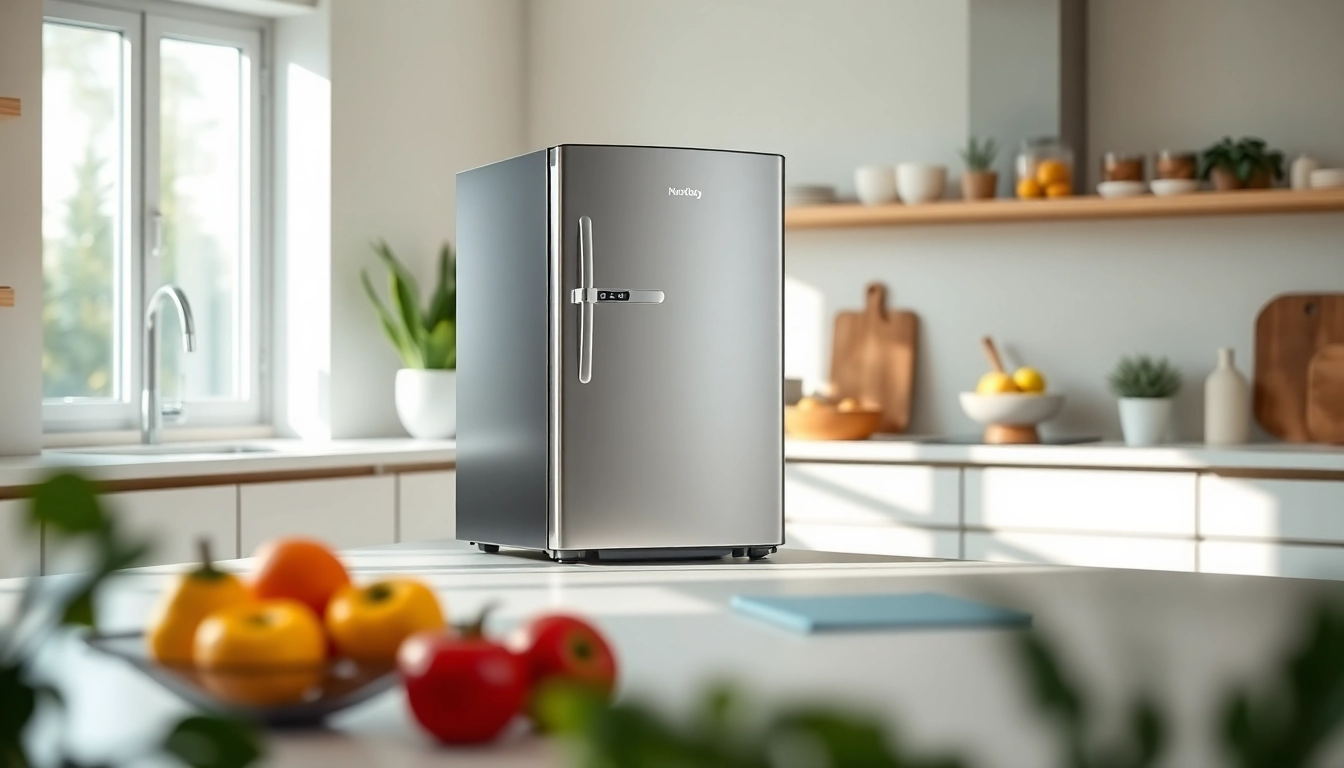
An affordable mini fridge and freezer displayed in a modern kitchen with fresh fruits around.

Understanding Affordable Mini Fridge and Freezer Options

Compact appliances have gained immense popularity in recent years, not only for their space-saving designs but also for their efficiency and budget-friendly nature. The affordable mini fridge and freezer offers a practical solution for individuals and families alike, providing the necessary refrigeration without taking up too much space or breaking the bank. This article will explore the features, benefits, and best practices regarding these versatile appliances.

Key Features to Look For

When shopping for an affordable mini fridge and freezer, several key features should be at the forefront of your decision-making process:

  • Size: Mini fridges come in varying sizes, typically ranging from 1.5 cubic feet to 4.5 cubic feet. It’s essential to choose a size that fits your space and meets your storage needs.
  • Energy Efficiency: Look for models with Energy Star ratings to ensure energy consumption is minimized, saving you money in the long run.
  • Adjustable Shelves: Having adjustable shelves can create flexibility in organizing your fridge and optimizing space according to your needs.
  • Temperature Controls: Temperature dials or digital controls enable you to maintain optimal cooling conditions for your perishable goods.
  • Freezer Compartment: Some models include a small freezer section, which is beneficial for storing ice or frozen meals.

Common Sizes & Configurations

Mini fridges are designed to fit various spaces and usage needs. Here’s a look at common configurations:

  • Compact Models (1.5 – 2.5 cu ft): These are ideal for tight spaces like small offices or dorm rooms.
  • Mid-Size Models (3.0 – 4.5 cu ft): These offer a balance of storage and space and are great for home offices or small kitchens.
  • Design Variations: With top-freezer, bottom-freezer, or all-in-one models, options are tailored to fit your space and style preferences.

The Benefits of Compact Refrigeration

Affordable mini fridges and freezers provide several advantages:

  • Space Saving: They occupy less space than standard refrigerators, making them perfect for small living areas.
  • Cost-Effective: They are generally more affordable to purchase and operate, making them ideal for budget-conscious consumers.
  • Convenience: They allow for easy access to snacks and drinks in various settings, such as offices or media rooms.

Top Uses for Affordable Mini Fridge and Freezer

Perfect for Small Apartments

For individuals living in small apartments, an affordable mini fridge and freezer is particularly beneficial. These fridges maximize storage capabilities without overcrowding limited kitchen space, allowing residents to keep essentials on hand while maintaining an organized area.

Ideal for Home Office Spaces

As remote work becomes more common, having a mini fridge within arm’s reach in a home office can enhance convenience. It keeps drinks and snacks readily available, reducing distractions from having to run to the kitchen, while promoting productivity.

Great for Dorm Rooms and Student Housing

For students, whether in dorms or shared housing, mini fridges serve as lifelines. They provide the flexibility to store food safely, avoiding frequent trips to communal kitchens and allowing for some independent meal preparation.

Choosing the Right Model

Energy Efficiency Ratings Explained

Energy efficiency is vital when choosing a refrigerator. Understanding energy ratings can help consumers identify models that minimize electricity usage, essential for reducing utility bills. Energy Star-rated models not only meet standards for efficiency but also are designed for optimal performance.

Noise Levels and Performance

Noise levels can vary widely among different brands and models. It’s advisable to check the decibel (dB) rating before making a purchase. Lower dB ratings indicate quieter operations, enhancing the overall user experience, especially in small living quarters.

Design Aesthetics and Space Planning

Design plays a crucial role in selecting the right mini fridge. Consider compatible aesthetics with your existing decor, colors, and configurations that complement your space. It is also crucial to plan placement, ensuring adequate airflow and accessibility.

Maintaining Your Affordable Mini Fridge and Freezer

Regular Cleaning Tips

To prolong the life of your mini fridge, regular cleaning is essential. Here are some practical tips:

  • Unplug the unit before cleaning to ensure safety.
  • Use a mixture of water and baking soda to wipe down surfaces to eliminate odors and stains.
  • Check the seals on the door for any gaps that could lead to temperature loss.

Optimal Temperature Settings

Keeping optimal temperature settings in mind is vital for food safety. Most mini fridges should be set between 32°F and 40°F for the best preservation of foods. The freezer compartment, when present, should ideally be kept at 0°F.

Preventing Common Issues

Being proactive about maintenance can prevent issues. Here are common problems and solutions:

  • Foul Odors: Regular cleaning combined with deodorizing methods can mitigate bad smells.
  • Inefficient Cooling: Check for blockages in vents or faulty seals to maintain efficiency.
  • Noise Issues: Ensure the fridge is level and inspect for loose parts that could contribute to noise.

FAQs about Affordable Mini Fridge and Freezer

What sizes are available for mini fridges?

Sizes vary from compact models (1.5 cu ft) to larger (4.5 cu ft) designs. Choose based on your needs.

How energy-efficient are mini fridges?

Many affordable mini fridges are energy-efficient, often rated with Energy Star, helping reduce utility bills.

Can I use a mini fridge in a garage?

Yes, but ensure it’s kept in a climate-controlled area to prevent performance issues due to extreme temperatures.

What should I avoid putting in mini fridges?

Avoid overloading, placing hot foods inside, and storing items that need a full-sized fridge’s temperature.

How often should I clean my mini fridge?

Cleaning every 3-6 months is ideal, but a quick clean monthly helps maintain hygiene and efficiency.

Posted on

Upgrade Your Bathroom Style with Sliding Shower Doors for Modern Living

Stylish sliding shower doors enhance a modern bathroom’s aesthetic with elegance and functionality.

Understanding Sliding Shower Doors

What Are Sliding Shower Doors?

Sliding shower doors are a type of enclosure that provides an elegant and space-saving way to separate the shower area from the rest of the bathroom. Unlike traditional hinged doors, which swing open, sliding doors operate on a track system, allowing one panel to glide over the other. This innovative design eliminates the need for significant space and provides a sleek, minimalist aesthetic that complements a variety of bathroom styles. Typically made from tempered glass for durability and safety, the sliding shower doors can be framed or frameless, offering versatile options for homeowners.

Benefits of Sliding Shower Doors

Sliding shower doors come with an array of advantages that make them a popular choice in modern bathrooms. These benefits include:

  • Space Efficiency: The sliding mechanism allows these doors to fit perfectly in smaller bathrooms, maximizing the available space without sacrificing style.
  • Easy Operation: With smooth gliding tracks, opening and closing sliding doors is a breeze, even for children and the elderly.
  • Visual Appeal: Available in various designs and finishes, sliding doors add a contemporary aesthetic to any bathroom.
  • Increased Safety: The tempered glass used in these doors is resistant to shattering, making them a safer option compared to traditional glass doors.
  • Customization Options: With choices in framing styles, handles, and glass textures, homeowners can truly personalize their shower enclosure.

Choosing the Right Style

When selecting sliding shower doors, it’s essential to consider both style and functionality. The two primary types are framed and frameless doors. Framed sliding doors typically feature a metal outline that adds support and helps with water containment. However, they can appear bulkier. Frameless doors, on the other hand, create a seamless and airy feeling, allowing light and visibility to flow through; they are often viewed as the more modern option. Additionally, consider the color, finish, and glass texture to ensure it complements your overall bathroom design.

Installation Guide for Sliding Shower Doors

Preparation Steps Before Installation

Before installing sliding shower doors, proper preparation is key to ensuring a smooth and successful installation. Here are the necessary steps:

  1. Measure Your Space: Accurately measure the area where the sliding doors will be installed, paying attention to both width and height.
  2. Choose the Right Doors: Based on your measurements, select sliding doors that fit your shower area while considering the style and material.
  3. Gather Your Tools: Make sure you have all the required tools, such as a drill, screwdriver, level, measuring tape, and safety glasses.
  4. Check the Bathroom Walls: Ensure that the walls are adequately prepared, free of moisture and mold, to adequately support the installation.

Tools Required for Installation

For a successful installation of sliding shower doors, you will need the following tools:

  • Drill and Drill Bits
  • Screwdriver
  • Measuring Tape
  • Level
  • Stud Finder
  • Safety Glasses
  • Caulk Gun and Silicone Sealant

Step-by-Step Installation Process

Follow these steps to install your sliding shower doors:

  1. Attach the Rail: Begin by installing the top rail or track, following the manufacturer’s instructions. Use a level to ensure it’s straight.
  2. Install the Wall Jambs: Fix the side wall jambs to the walls, ensuring they are plumb (vertically straight) and secure.
  3. Hang the Doors: Lift the sliding doors and place the top rollers onto the fixed rail, ensuring they glide smoothly.
  4. Install Bottom Guide: Add a bottom guide or track to keep the doors aligned and prevent them from swinging out.
  5. Sealing: Apply silicone sealant around the edges where the doors meet the walls to prevent water leakage.
  6. Final Adjustments: Check that the doors slide freely and make necessary adjustments to the roller height if needed.

Maintenance Tips for Sliding Shower Doors

Regular Cleaning Techniques

To keep your sliding shower doors looking pristine, regular cleaning is crucial. Use a non-abrasive cleaner along with a soft cloth or a sponge to remove soap scum and mineral deposits. For a more natural approach, a solution of vinegar and water can effectively cut through grime. Avoid using harsh chemicals which can damage the glass or the frame.

Common Issues and Fixes

Regular maintenance will help prevent issues, but some common problems may still arise. If the doors begin to stick or are hard to slide, check for debris in the track. Cleaning the track regularly will help; if that doesn’t work, you might need to readjust the rollers. If the doors are leaking, inspect the seals and apply fresh silicone sealant where necessary.

Long-term Care for Durability

To ensure longevity, consider using a water repellent treatment on the glass, which helps prevent the buildup of hard water stains. Ensure the hinges, rollers, and tracks are lubricated periodically with a silicone-based lubricant to keep them functioning properly. Also, perform annual checks for any signs of wear that may require immediate attention.

Design Ideas Using Sliding Shower Doors

Integrating Sliding Shower Doors into Small Spaces

Sliding shower doors are ideal for small bathrooms where swinging doors would take up valuable space. Opt for a frameless design for a more open look and feel, allowing light to flow throughout. Using light colors and reflective materials combined with these doors can create an illusion of more space, making even the tiniest bathrooms appear more expansive.

Combining Styles: Framed vs. Frameless Designs

When deciding between framed and frameless sliding shower doors, consider the overall aesthetic of your bathroom. Framed doors offer a more traditional vibe and can be fitted with decorative elements such as ornate handles and accents. Frameless doors, however, embody a sleek and modern feel, allowing for maximum visibility and an unobstructed appearance, ideal for contemporary spaces.

Enhancing Aesthetics with Accessories

Incorporating accessories can elevate the look of your sliding shower doors. Consider adding sleek, minimalist handles or towel bars that match the fixtures throughout your bathroom. Decorative vinyl decals can also enhance glass panels without permanent commitment while adding a personalized touch that ties your design together.

Frequently Asked Questions About Sliding Shower Doors

How do I clean sliding shower doors effectively?

Use a mixture of vinegar and water alongside a soft cloth or sponge to remove soap scum. A non-abrasive cleaner specifically designed for glass is also effective for maintaining clarity.

Can I install sliding shower doors myself?

Yes, with basic tools and some DIY skills, installing sliding shower doors can be a manageable task. Following the manufacturer’s instructions is key to a successful installation.

What are the best materials for sliding shower doors?

Tempered glass is the safest and most common material for sliding shower doors, as it’s strong and designed to resist shattering. Metal framing options can vary depending on your design preference.

How much space do I need for sliding shower doors?

The width should be at least the width of the opening, typically around 56 to 60 inches for standard installations. Height requirements can vary, but 72 inches is common for full enclosures.

Are sliding shower doors energy-efficient?

Sliding shower doors can enhance energy efficiency by containing heat and moisture within the shower, reducing the workload on heating systems. Well-sealed options minimize moisture loss.

Posted on

Enhance Your Skincare Routine with a Hand Loofah Glove

Examine the unique features of a hand loofah glove paired with natural skincare products.

What is a Hand Loofah Glove?

Definition and Purpose

A hand loofah glove is a versatile skincare tool designed to enhance your bathing experience. Made from natural or synthetic fibers, these gloves are typically textured to provide effective exfoliation of the skin’s surface. They serve various purposes—from removing dead skin cells to increasing blood circulation, resulting in healthier-looking skin. The main goal of using a hand loofah glove is to rejuvenate the skin while making your bathing routine more enjoyable.

Benefits of Using Hand Loofah Gloves

The benefits of incorporating a hand loofah glove into your skincare regimen are numerous:

  • Exfoliation: The textured surface effectively sloughs off dead skin cells, leaving skin smooth and refreshed.
  • Improved Circulation: Massaging the skin stimulates blood flow, promoting a radiant complexion.
  • Detoxification: Assists in removing impurities and toxins from the skin.
  • Better Absorption of Products: Prepares the skin to absorb moisturizers and serums more effectively.
  • Invigorating Experience: The physical scrubbing action can be particularly refreshing, making bath time feel more luxurious.

Types of Hand Loofah Gloves

Hand loofah gloves come in various materials and textures, catering to different skin types and personal preferences:

  • Natural Loofah: Made from the fibrous interior of loofah gourds, these gloves provide a soft but effective exfoliation.
  • Synthetic Fiber: Often softer and durable, these are suitable for those with sensitive skin.
  • Combination Gloves: Featuring both natural and synthetic fibers, offering an effective yet gentle exfoliation experience.
  • Exfoliating Scrubs: Some gloves come pre-treated with scrubbing agents for enhanced exfoliation.

How to Choose the Right Hand Loofah Glove

Material Considerations

When choosing a hand loofah glove, material quality is paramount. Here are key points to consider:

  • Natural Loofah: Biodegradable and made from plants, it’s ideal for eco-conscious consumers.
  • Synthetic Materials: Typically more resilient and soft, these are suitable for prolonged use and ideal for sensitive skin.

Size and Fit

Size is critical for ensuring effectiveness and comfort in use:

  • Standard Size: Most gloves are designed to fit the average adult hand comfortably.
  • Adjustable Straps: Some models feature adjustable wrist straps for a more secure fit.
  • Finger Length: Ensure the glove covers your fingers adequately, enabling a secure grip for effective exfoliation.

Popular Features

Additional features can enhance your experience:

  • Dual-Sided: Some gloves boast a textured side for exfoliation and a smooth side for cleansing.
  • Pocket for Soap: Certain gloves include a soap pouch to simplify your bathing routine.
  • Quick-Dry Properties: Moisture-wicking materials are beneficial to prevent mildew and maintain hygiene.

Incorporating Hand Loofah Gloves into Your Routine

Daily Skincare Regimen

Integrating a hand loofah glove into your daily skincare regimen can optimize your bathing experience:

  1. Begin with wetting the glove and applying your soap or body wash.
  2. Gently scrub your skin in circular motions, focusing on areas prone to roughness.
  3. Rinse thoroughly and follow up with a moisturizer to lock in hydration.

Exfoliation Best Practices

To maximize the benefits of exfoliation, consider the following:

  • Frequency: Limit exfoliation to 2-3 times per week to prevent irritation.
  • Technique: Use moderate pressure; too much force can lead to microtears in the skin.
  • Hydration: Always moisturize post-exfoliation to maintain the skin barrier.

Post-Use Care Tips

Caring for your hand loofah glove ensures longevity and hygiene:

  • Rinse Immediately: After use, rinse the glove thoroughly to remove soap residue.
  • Dry Completely: Hang it up to dry in a well-ventilated area to prevent mildew.
  • Regular Replacement: Change your glove every 4-6 weeks to ensure effective exfoliation.

Common Mistakes to Avoid with Hand Loofah Gloves

Over-Exfoliating Your Skin

One of the most common pitfalls is over-exfoliating. Stick to a schedule, as this can lead to irritation, dryness, and even breakouts.

Neglecting Hygiene

Always prioritize hygiene. Failing to clean your glove effectively can lead to bacterial growth, causing skin issues.

Incompatibility with Skin Types

Not all gloves are suitable for everyone. People with sensitive skin should opt for softer materials to avoid adverse reactions.

Frequently Asked Questions about Hand Loofah Gloves

What is the lifespan of a hand loofah glove?

The typical lifespan of a hand loofah glove is about 4-6 weeks, depending on usage and care.

Can I use a hand loofah glove every day?

It’s best to use a hand loofah glove 2-3 times a week to prevent skin irritation from over-exfoliation.

Are hand loofah gloves suitable for sensitive skin?

Yes, choose a glove made of softer materials specifically designed for sensitive skin to avoid irritation.

How do I clean my hand loofah glove?

Rinse thoroughly after each use, then wash in warm, soapy water and hang to dry completely.

Can I use a hand loofah glove with body wash?

Yes, a hand loofah glove works wonderfully with body wash for effective cleansing and exfoliation.